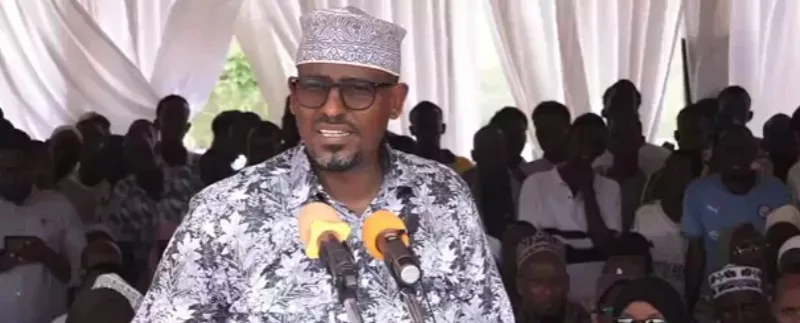
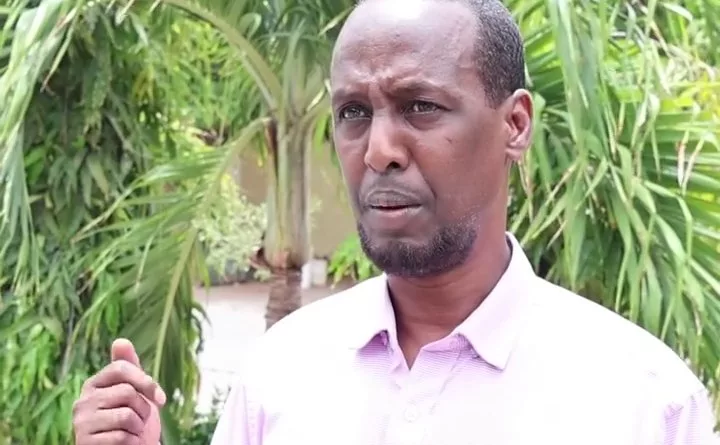
 Hassan
Abdi Omar, the North Eastern Regional coordinator of the Kenya National
Commission on Human Rights, speaking to the press /STEPHEN ASTARIKO
Cases of female genital mutilation (FGM), child marriage and gender-based violence could rise across the Northeastern region once schools close later this month.
As such, officials have asked parents to remain vigilant and keep their children away from the vices.
Human rights defenders and justice-sector officials warned that the school holidays, coinciding with the rainy season, could expose children to heightened risks as families and communities spend more time together with increased movement in villages.
The
warning came during a training on child-sensitive responses and ways of
addressing harmful cultural practices, including FGM, child marriage and
gender-based violence.
The training was organised by the United Nations Office on Drugs and Crime (UNODC) in collaboration with the Office of the Director of Public Prosecutions under the EU-funded PLEAD II programme.
The forum brought together representatives from justice institutions, civil society organisations and protection services, with a focus on strengthening the response to cases involving children and other vulnerable groups.
Hassan Abdi Omar, the Northeastern regional coordinator of the Kenya National Commission on Human Rights, said the timing of the engagement was particularly important as schools prepare to close.
He called on parents to closely monitor their children during the holiday to ensure they are protected from practices that violate their rights.
“We are approaching the close of the school term. Therefore, we are calling upon parents to remain vigilant during this period, especially as schools close and we enter the rainy season,” Omar said.
“So this training is aimed at creating awareness among members of the public about available avenues for reporting violations and seeking assistance.”
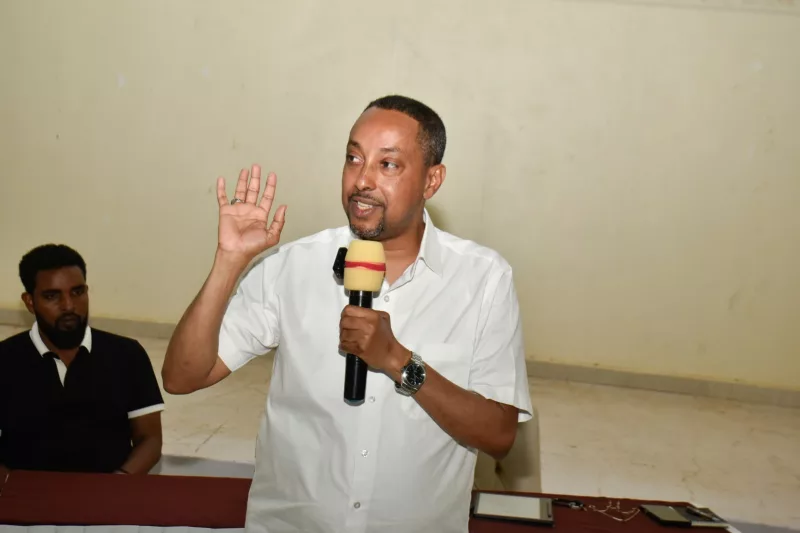
Wajir-based
human rights activist Hassan Shurie said the rainy season could also create
circumstances that expose women and children to sexual violence and other forms
of gender-based violence.
He said the rains would result in increased movement of communities in search of water and pasture, bringing people together at water points and grazing areas.
“During rainy seasons, communities meet over water points and grazing points, and this may lead to an increase in incidences of rape and other SGBV. We call upon community members to be vigilant,” Shurie said.
Stellah
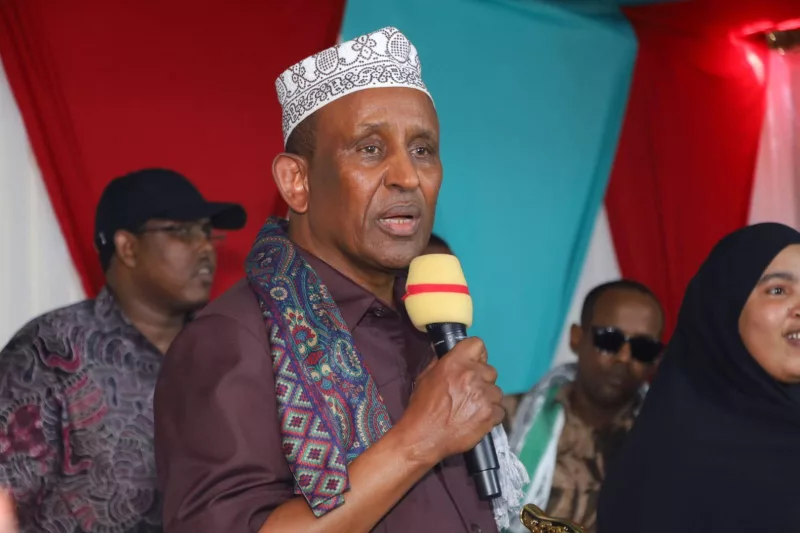
Oyagi, a prosecution counsel at the ODPP, said participants were sensitised
on harmful cultural practices, emerging crimes and the protection of children
from online threats.
“We did sensitisation on harmful cultural practices including child marriages, female genital mutilation and emerging gender-based crimes,” Oyagi said.
She said the training also examined dangers children face in the digital space, including online experiences that can compromise their safety and wellbeing.
“The training also addressed online experiences that harm young children. We trained court users, CSOs, children's officers, probation officers, police officers, doctors, court users and human rights activists,” she said.
The forum was intended to ensure that knowledge gained during the training reaches communities, victims and court users.
“We are hopeful that the information and knowledge they learn will be taken out to the public and to court users so that they understand crimes that are happening and where to get help,” she said.
She said greater awareness could encourage more victims and survivors to report cases while enabling communities to understand that practices such as FGM and child marriage constitute violations of children's rights and, where applicable, criminal offences.
Oyagi also stressed the need for a victim-centred approach when handling survivors of violence.
“The victims will be able to come out in large numbers because they will understand crimes that are happening. We reiterate the importance of victim-centred approaches that can help them get necessary support without feeling traumatised,” she said.
Northeastern has for years grappled with harmful cultural practices, with FGM remaining one of the most entrenched challenges affecting girls and women.
Although Kenya outlawed FGM under the Prohibition of Female Genital Mutilation Act, 2011, the practice continues in some communities, often being carried out clandestinely to evade detection and prosecution.
The region has historically recorded some of the country's highest FGM prevalence rates. The practice is often linked to deeply rooted social expectations around marriage, family honour and a girl's perceived readiness for marriage.
Rights
organisations and government agencies have over the years intensified campaigns
against FGM, while prosecutions and community awareness programmes have sought
to shift attitudes against the vice.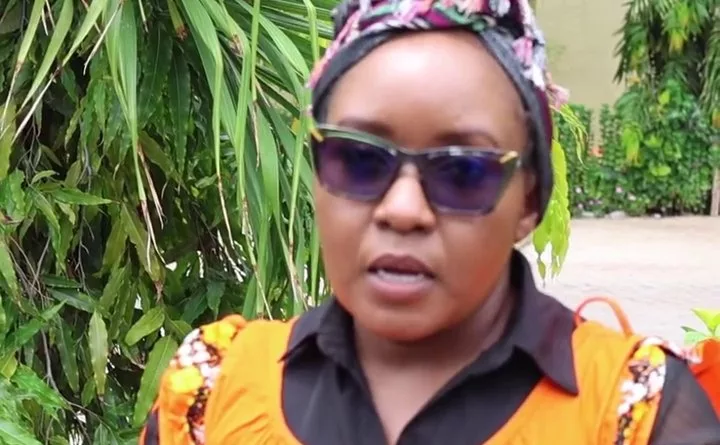 Stellah
Oyagi, a Principal Prosecution Counsel at the ODPP, speaking to the
press./STEPHEN ASTARIKO
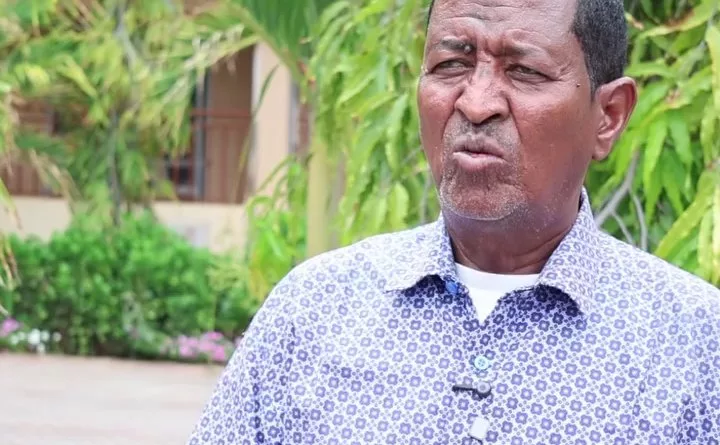 Hassan Shurie, Wajir-based human rights activist
speaking to the press. /STEPHEN ASTARIKO