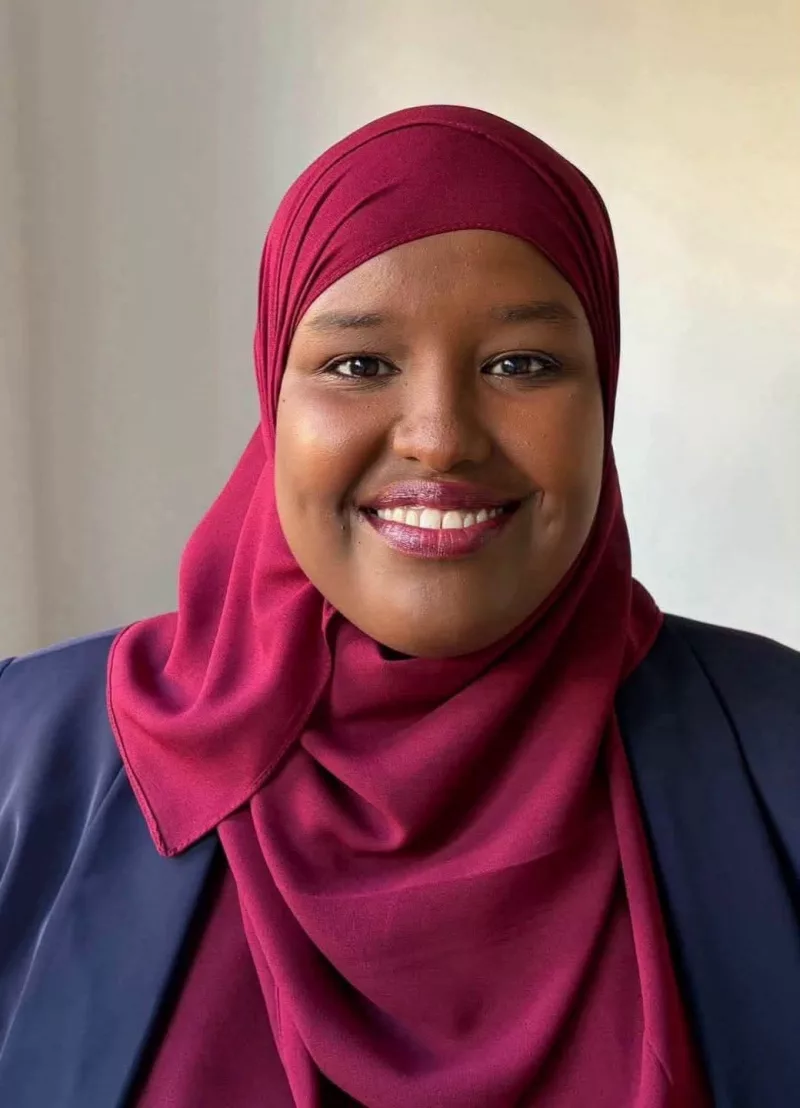
 Sagal Abdi-Wali, a member of the Labour Party, was elected MP for Holborn and St Pancras in a by-election held on Thursday.
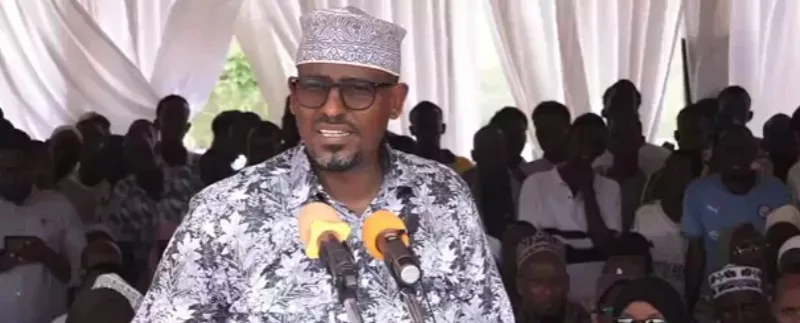
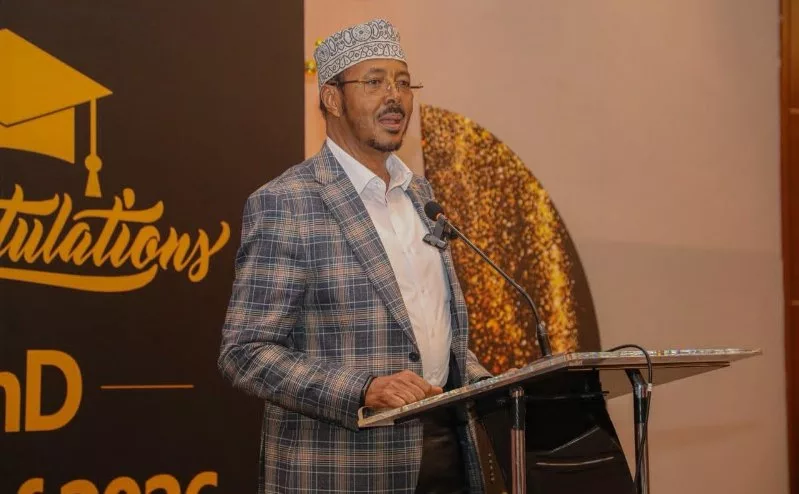 Eldas MP Adan Keynan speaking at a recent function./STEPHEN
ASTARIKO
Eldas Member of Parliament Aden Keynan has joined leaders in celebrating the election of Somali-born politician Sagal Abdi-Wali to the United Kingdom Parliament.
Keynan described her victory as a moment of pride for the Somali diaspora and an inspiration to women and girls across the world.
Abdi-Wali, a member of the Labour Party, was elected MP for Holborn and St Pancras in a by-election held on Thursday, October 8, 2026, securing 12,292 votes against the 8,928 garnered by Green Party leader Zack Polanski.
Her victory marks a significant milestone in her political career, propelling her from local government leadership in Camden, London, to the House of Commons, where she will represent a constituency previously held by former British Prime Minister Keir Starmer.
In a congratulatory message, Keynan said Abdi-Wali’s election demonstrated the growing influence of the Somali diaspora and its contribution to democracy, inclusive leadership, peace and sustainable development.
“Congratulations to Hon. Sagal Abdi-Wali on her historic election to the UK Parliament,” Keynan wrote on his Facebook page, describing the achievement as a moment of immense pride for Somalis living abroad.
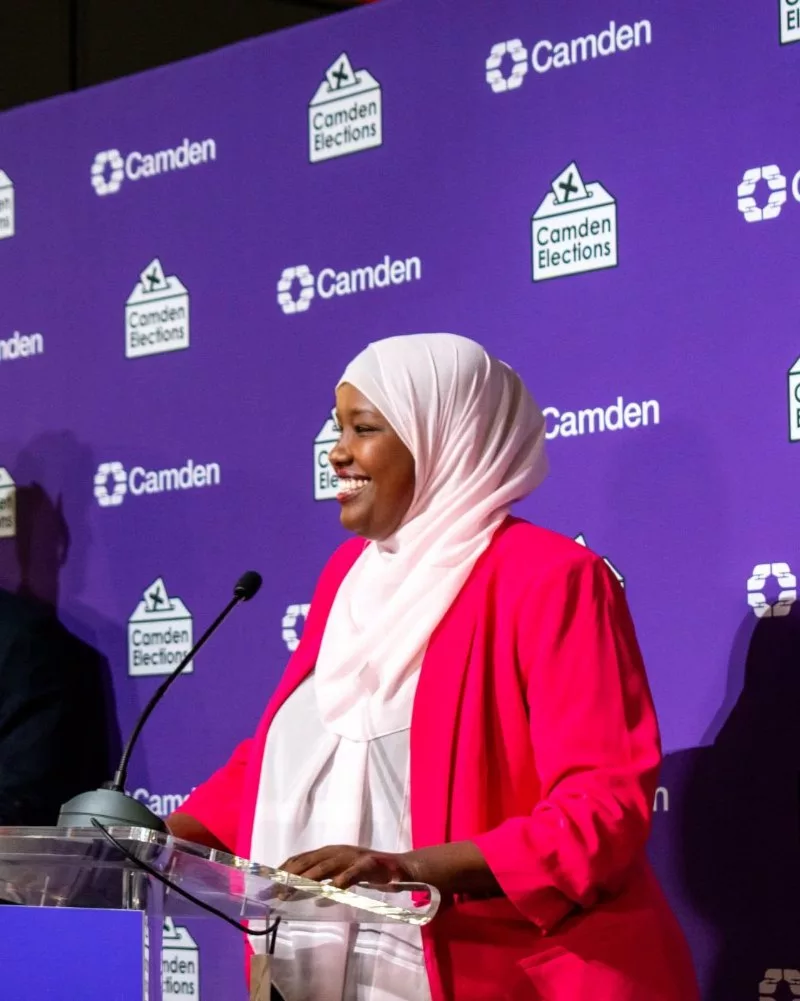 Sagal Abdi-Wali, a member of the Labour Party, was elected MP for Holborn and St Pancras in a by-election held on Thursday.
Keynan also said the victory should inspire young girls to pursue their ambitions and recognise that determination, hard work and opportunity could open doors to leadership at the highest levels.
“Her victory further forms a powerful testament to the limitless potential of women and a profound inspiration to the girl-child, reaffirming that with determination and opportunity, barriers can be broken and new frontiers of leadership attained,” he said.
The Eldas MP wished Abdi-Wali success in her new role, expressing hope that her tenure would be characterised by visionary leadership, meaningful representation and transformative service to the people she represents.
“For young Somali women and girls, particularly those from refugee and migrant backgrounds, her success provides an example of a journey that crosses social and institutional barriers,” Keynan added.
Her election has drawn attention to the increasing visibility of people of Somali heritage in British public life, as well as the progress Somali women have made in local politics over the past two decades.
Born in Somalia, Abdi-Wali arrived in Britain as a child refugee in the 1990s, growing up in a country where she would eventually rise through the ranks of local government to become a prominent political figure.
Her political journey gathered momentum in 2022, when she was elected as a councillor in Camden, a London borough that includes parts of the Holborn and St Pancras constituency.
She subsequently rose to become leader of Camden Council in May 2026, making her one of the prominent Somali women in British local government before her parliamentary breakthrough.
The by-election was triggered by Starmer’s resignation as MP for Holborn and St Pancras in September 2026. Abdi-Wali’s win enabled Labour to retain the seat after a closely watched contest against Polanski.
Official results published by the UK Parliament show that she secured 45.2 per cent of the vote, defeating Polanski, who received 32.8 per cent. The constituency recorded a turnout of approximately 38.6 per cent.
Her victory also puts a spotlight on the growing significance of representation in British politics, particularly for communities whose members have historically been underrepresented in the country’s highest legislative institutions.
For the Somali diaspora, her election offers a prominent example of how people who arrive as refugees can participate in public life and rise to positions of national political responsibility.
Although Abdi-Wali’s election is a major milestone, it builds on a history of Somali women securing elected positions and assuming leadership responsibilities in British local government.
One of the early trailblazers was Hibaq Jama, who became Bristol’s first Somali woman councillor after winning election to represent the Lawrence Hill ward. Her election helped establish a path for greater Somali representation in local politics.
Another notable figure is Amina Ali, a Somali woman who served as a Labour councillor in Tower Hamlets, east London. She was also selected by the party in 2015 to contest a parliamentary seat, although she withdrew before the election. Her political journey illustrated the growing ambitions of Somali women seeking to move from local government into national politics.
Rakhia Ismail, a Somali-born politician who served as a councillor in Islington, north London, also rose to become the borough’s mayor. Her career provided another example of Somali women’s participation in civic leadership and public service.
More recently, Faduma Mohamed became Mayor of the London Borough of Ealing in May 2026. Elected as a councillor for Southall West in 2022, she rose through local government, having previously served as deputy mayor.
Abdi-Wali’s election comes at a time when British Somali communities continue to expand their participation in political, social and economic life, with members of the diaspora increasingly visible in local councils and other public institutions.
Her transition from refugee childhood to council leadership and now Parliament offers a powerful illustration of the possibilities created by political participation and representation.