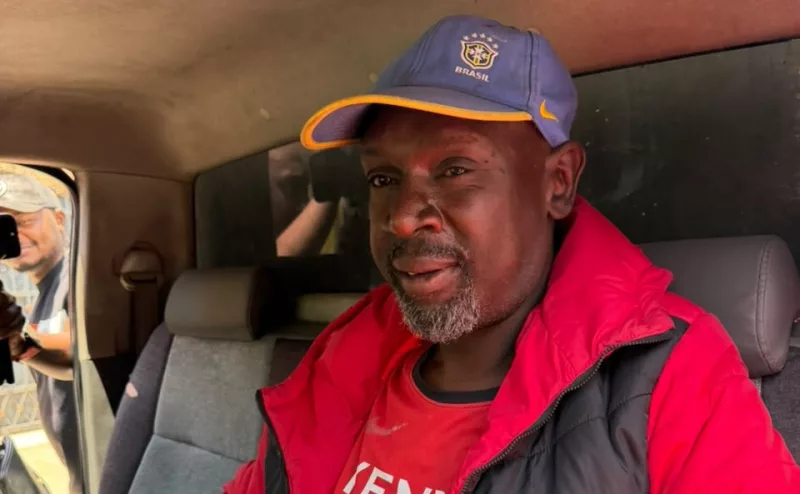
Kenyan media personality and motivational speaker Dr Ofweneke has criticized comedian Terence Creative over his advice to Ciggie following a DNA test that reportedly established that he is not the biological father of a 12-year-old girl he had been raising.
The controversy has renewed debate around fatherhood, DNA testing, responsibility and the rights and welfare of children when paternity comes into question.
Ofweneke disagreed with Terence Creative’s position that Ciggie should continue raising the young girl despite the DNA results.
He argued that a man should not automatically be expected to continue playing a parental role simply because he has already invested years in raising a child whose biological paternity has subsequently been disputed.

Ofweneke Challenges Terence Creative’s Advice
Ofweneke emphasized that becoming a stepfather should be a voluntary decision rather than something a man is pressured into accepting after discovering that he is not the child’s biological father.
In a strongly worded message directed at Ciggie and Terence Creative, Ofweneke said:
“Ciggie Johnson forget everything Terence has told you, Terence you are my brother but you are wrong. You can only be a step father by choice not by trick or by trap. Kama ulifichwa for 12yrs be it a girl or a boy and you did a DNA then what more can that woman do. I'm calling on those clout chasing MPs to push a bill in parliament that makes DNA test mandatory immediately after the child is born.”
Ofweneke’s comments place particular emphasis on consent and personal choice, arguing that a man should be free to decide whether he wants to continue raising a child after discovering that he is not the biological father.
‘Being A Stepfather Should Be A Choice’
According to Ofweneke’s argument, a man who chooses to remain involved in a child’s life after learning that he is not the biological father may do so out of love and commitment, but that decision should not automatically become an obligation.
His position has sparked discussion about whether a man who has allegedly been unaware of a child’s biological parentage for years should be expected to accept the role of stepfather after a DNA test changes his understanding of the relationship.
The debate also raises broader questions about transparency in relationships and whether people should have accurate information about biological parentage before making long-term commitments.

The Ciggie DNA Controversy
The situation involving Ciggie has attracted public attention because of the emotional and practical implications of the reported DNA results.
Ciggie had reportedly played a fatherly role in the young girl’s life for years. The reported DNA results have now complicated that relationship, raising questions that extend beyond biological paternity.
There is also the emotional bond that may have developed between Ciggie and the child during the 12 years in which he believed he was her father.
Fatherhood Beyond Biology
The debate has divided opinion, with some arguing that biological paternity should not erase the relationship between a child and the person who has raised them.
Others believe a man should have the right to reconsider his role after discovering that he was allegedly misled about a child’s biological parentage.
Ofweneke’s comments largely reflect the latter position, with his argument centred on the principle that accepting the role of a stepfather should be voluntary.
Terence Creative’s Perspective
Terence Creative had advised Ciggie to remain present in the young girl’s life despite the reported DNA results.
His position appears to focus on the child’s welfare and the relationship that has already been established between Ciggie and the 12-year-old.
Ofweneke, however, has raised a different concern: that the emotional welfare of the child should not automatically create a lifelong obligation for a man who believes he was deceived about his biological relationship with the child.
The disagreement has consequently opened a broader conversation about where responsibility begins and ends when DNA results challenge previously held beliefs about parenthood.
A Difficult Question for Families
The controversy highlights the complicated nature of disputed paternity.
While DNA testing can establish biological relationships, the emotional consequences can be much more difficult to resolve, particularly when a child has spent years regarding someone as a parent.
In Ciggie’s case, the situation involves a 12-year-old child, making the discussion particularly sensitive. Any decision about whether and how Ciggie remains involved in the girl’s life could have lasting emotional consequences for everyone involved.

The Bigger Conversation
Ofweneke’s criticism of Terence Creative has therefore pushed the discussion beyond Ciggie’s individual circumstances and into a wider debate about fatherhood, deception, responsibility and the meaning of family.
His central argument is that a man should not be forced into fatherhood or stepfatherhood through circumstances he did not knowingly agree to.
At the same time, the controversy demonstrates that parenthood is rarely a simple question of biology once a child has developed a deep emotional attachment to a parental figure.
Ofweneke has also called on MPs to consider legislation that would make DNA testing mandatory immediately after a child is born, arguing that early confirmation of biological parentage could prevent similar disputes from emerging years later.
The Ciggie controversy has consequently left Kenyans grappling with a difficult question: when DNA results change the understanding of a family, should biological parentage, years of parenting, emotional bonds or an adult’s personal choice carry the greatest weight?