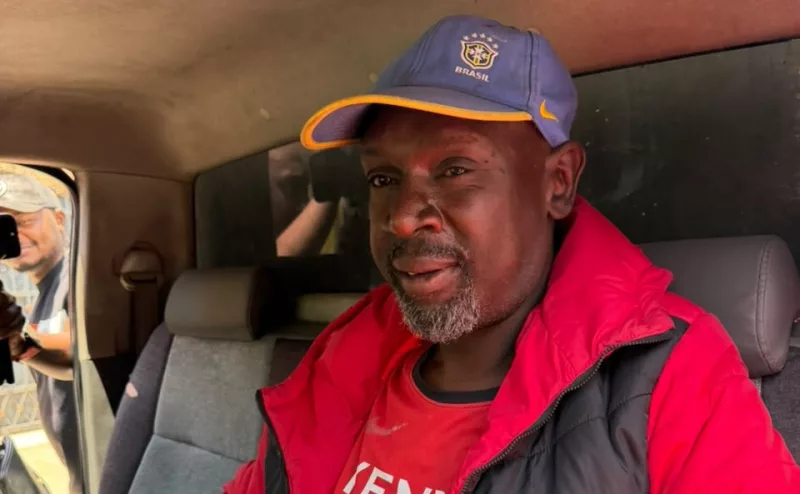
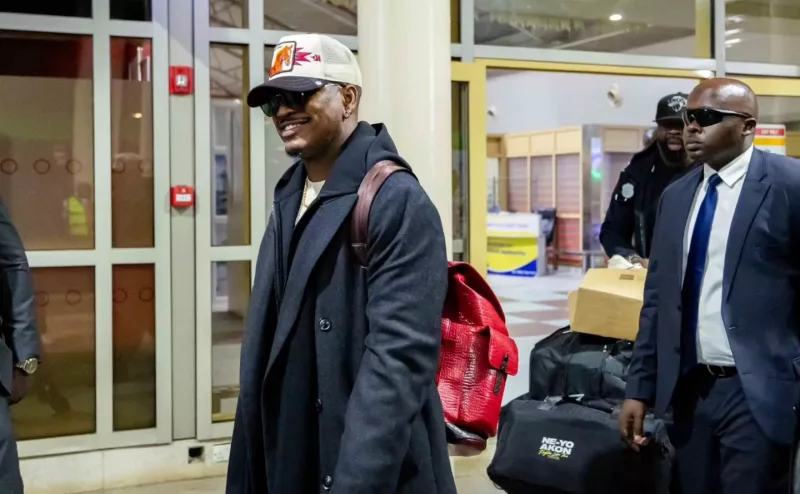
NACADA's Eric Mugire has called on Kenyan families to stop abandoning loved ones battling drug addiction, revealing that some people taken to rehabilitation centres are left to fight their recovery battles alone, increasing the challenges they face after treatment.
Speaking to the media at actor Onyi's home, Mugire delivered a powerful message about the importance of family involvement in rehabilitation, warning that getting someone into a treatment centre is not enough if their loved ones fail to support them throughout the process.
His remarks came as Onyi prepared to begin a three-month rehabilitation programme, with his family and well-wishers being encouraged to stand together and support him during this important chapter of his life.
According to Mugire, the lack of family involvement is a challenge they have encountered repeatedly while helping people access rehabilitation services.
“Mara mingi tumepeleka watu rehab, hakuna familia inajitokeza. Jamaa anapambana pekee yake na hata kujikuta amerudi tena kwa janga lenyewe,” Mugire said.
His words paint a picture of the difficulties people can face when they enter rehabilitation without a reliable support system.
'The first step of healing is acceptance'
During his address at Onyi's home, Mugire emphasised that families must first acknowledge the problem before they can begin helping their loved ones seek appropriate treatment.
“The first step of healing is acceptance,” he said.
The message is particularly important for families who may struggle to discuss addiction because of shame, fear of judgment or the stigma associated with substance use.
Rather than hiding the problem, Mugire's appeal encourages families to recognise when a loved one needs help and support them in seeking professional assistance.
Acceptance, however, is not about blaming someone for their struggles. It is about acknowledging the situation and taking constructive steps towards treatment and recovery.
Mugire's remarks also highlight the need for families to understand that rehabilitation is a process that requires patience, commitment and continued support.
Why family support matters after rehab
One of the key concerns raised by Mugire was the experience of people who return from rehabilitation without sufficient support from their families.
When someone feels isolated or struggles to reintegrate into their community, the challenges of maintaining recovery can become more difficult.
A supportive family can help by encouraging continued treatment, helping the person attend follow-up appointments, providing a stable environment and offering emotional support during difficult moments.
Recovery is different for every individual, and setbacks can occur. When they do, compassion and timely professional assistance are more helpful than shame or rejection.
Mugire's message is therefore a reminder that families should not view rehabilitation as a one-time event after which their responsibility ends.
Instead, they are encouraged to remain involved and work alongside qualified professionals to support their loved one's recovery.
'Let us walk this journey as a family'
Mugire also asked Kenyans to keep Onyi in their prayers as he prepares for the three-month programme.
“Please, we need your prayers. Let us walk this journey as a family,” he appealed.
The statement reflects a broader call for communities to approach addiction with understanding and to support people seeking treatment rather than isolate them.
For families unsure about what to do when a relative is struggling with drugs or other substances, Mugire urged them to seek professional guidance instead of facing the situation alone.
NACADA shares helpline for people seeking help
Mugire directed Kenyans affected by drug and substance use challenges to NACADA's toll-free helpline, 1192, for assistance and guidance.
The helpline provides a point of contact for people seeking help with substance use-related concerns, including family members looking for direction on how to support a loved one.
Seeking assistance early can help families understand the available treatment options and identify appropriate next steps.
A call to stop abandoning loved ones
Mugire's message is a reminder that people battling addiction should not have to face every stage of recovery without support.
While professional treatment remains important, encouragement from family members, friends and the wider community can also contribute to a more supportive recovery environment.
For Onyi, the focus is now on his rehabilitation journey, with supporters being asked to offer prayers, patience and practical assistance as he takes this step.
The message to Kenyan families is clear: acknowledge the problem, seek professional help and remain present throughout the recovery process.
Because taking someone to rehab may begin the journey, but standing by them as they work towards recovery is a commitment that should not end at the treatment centre's gate.