Kenya has been urged to strengthen efforts to address poverty, conflict, climate change, irregular migration, unethical recruitment and the misuse of technology, which are increasingly driving modern slavery and exploitation.
Artlibert Makori, Assistant Labour Commissioner, Child Labour Division at the Ministry of Labour and Social Protection, said these interconnected challenges continue to expose vulnerable populations to trafficking, forced labour and other forms of exploitation.
Makori spoke while opening the two-day 2026 Freedom from Slavery Global Forum in Nairobi on Monday.
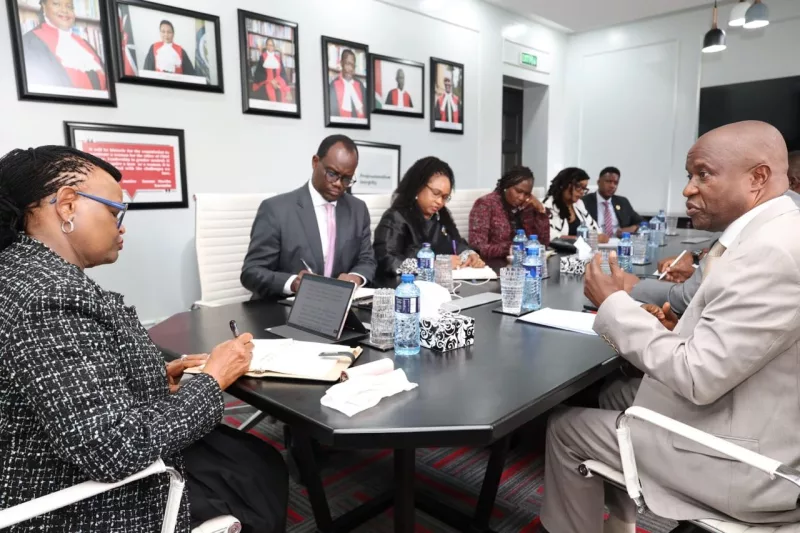
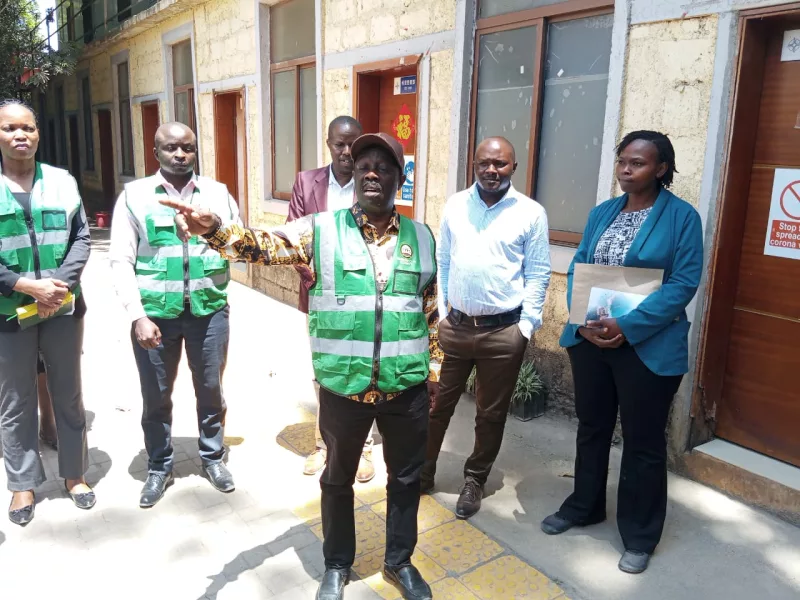
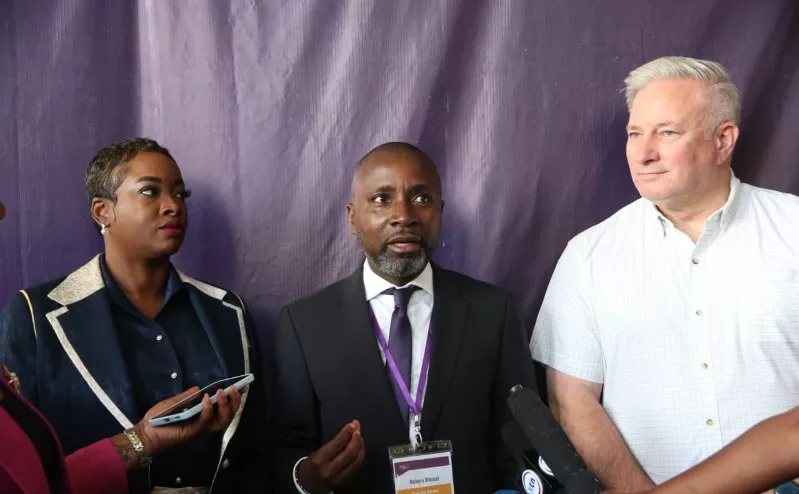
The Forum brought together government representatives, people with lived experience of modern slavery, civil society organisations, business leaders, academics and international experts.
Convened by Free the Slaves under the theme, “Freedom in a Changing World: Strengthening Protection, Accountability and Transforming the Systems Behind Modern Slavery,” the Forum seeks to move the global response from dialogue towards practical priorities, commitments and action.
To address these challenges, Makori said Kenya is strengthening Bilateral Labour Agreements and cooperation with destination countries to establish clearer recruitment procedures, protect wages and contracts, improve access to grievance mechanisms and strengthen safeguards against trafficking and forced labour.
“Ethical recruitment and accountability must remain at the heart of the labour migration journey,” said Makori.
He said Kenya has also taken important steps to strengthen its response to exploitation, noting that the country was accepted in 2024 as an Alliance 8.7 Pathfinder Country.
The Pathfinder status includes survivors of modern slavery in the development of Kenya’s roadmap, with a commitment to their continued engagement in its implementation and evaluation.
Makori said hosting the Global Forum in Nairobi provides an opportunity to bring African experiences and perspectives into the global conversation while strengthening collaboration on protection, accountability and systemic reforms needed to address modern slavery.
“As an Alliance 8.7 Pathfinder Country, Kenya remains committed to accelerating action towards eliminating forced labour, modern slavery, human trafficking and child labour through stronger labour inspection, social protection, responsible business conduct, access to justice and meaningful engagement of survivors and communities,” added Makori.
Modern slavery continues to affect people across regions, sectors and supply chains, sustained by economic, political, cultural and social conditions that reward abuse, accountability gaps that allow exploitation to go unpunished and opaque supply chains that enable abuses to remain hidden.
An estimated 50 million people were living in modern slavery on any given day in 2021, according to the Global Estimates of Modern Slavery (2022), produced by the International Labour Organization, Walk Free and the International Organization for Migration.
In Kenya, the Global Slavery Index 2023 estimates that 269,000 people were living in modern slavery, equivalent to five in every 1,000 people.
Separately, Kenya’s National Council on Children’s Services estimates that 17,500 Kenyans are trafficked annually, with half of them likely to be minors.
The Forum is convened on the premise that modern slavery cannot be addressed through individual interventions alone.
On its opening day, participants examined where existing responses are falling short and how prevention, protection and accountability can be strengthened.
Discussions also focused on building a roadmap for systemic transformation, including responsible business practices, ethical recruitment, survivor leadership and practical action across sectors.
“The 2026 global forum convened key stakeholders from across Africa and the world. Collectively, we have identified promising approaches, strengthened frameworks for collaboration, and developed an agenda toward more effective action against modern slavery,” said Bukeni Waruzi, Executive Director of Free the Slaves.
Waruzi said the adoption of the Declaration of Principles for Aligned Action against modern slavery marks a unifying commitment by the modern slavery movement to strengthen systemic responses and align the movement with the leadership of people with lived experience.
People with lived experience of modern slavery were central to the Forum, bringing expertise intended to shape more effective responses.
Throughout the programme, lived-experience experts and organisations representing workers at risk helped lead discussions on protection, rebuilding livelihoods and dignity, and strengthening survivor leadership across the movement.
Shamere McKenzie, CEO of Sun Gate Foundation, said survivors must have a meaningful role in decisions affecting the movement.
“As a survivor leader, I know what it feels like to have decisions made about your life without your voice ever being part of the conversation, which is why this Forum mattered so deeply. The Forum did more than make space for survivors; it affirmed that our lived experience is expertise, strengthened commitments to share power, and opened doors for survivor leaders to shape the decisions, policies, and solutions that will define the future of this movement.”
Across the two-day Forum, discussions and facilitated action labs examined responsible business and supply-chain regulation, ethical recruitment, recovery, forced marriage, child domestic work, refugee trafficking risks and technology-facilitated trafficking.
The discussions focused on translating identified gaps into practical priorities and commitments while strengthening protection, accountability and collaboration across sectors.
Participants also considered actions needed beyond Nairobi, including adoption of the Principles for Aligned Action to End Modern Slavery, with the aim of building a coordinated global response that centres lived-experience expertise, reinforces accountability and turns shared priorities into sustained action against modern slavery.