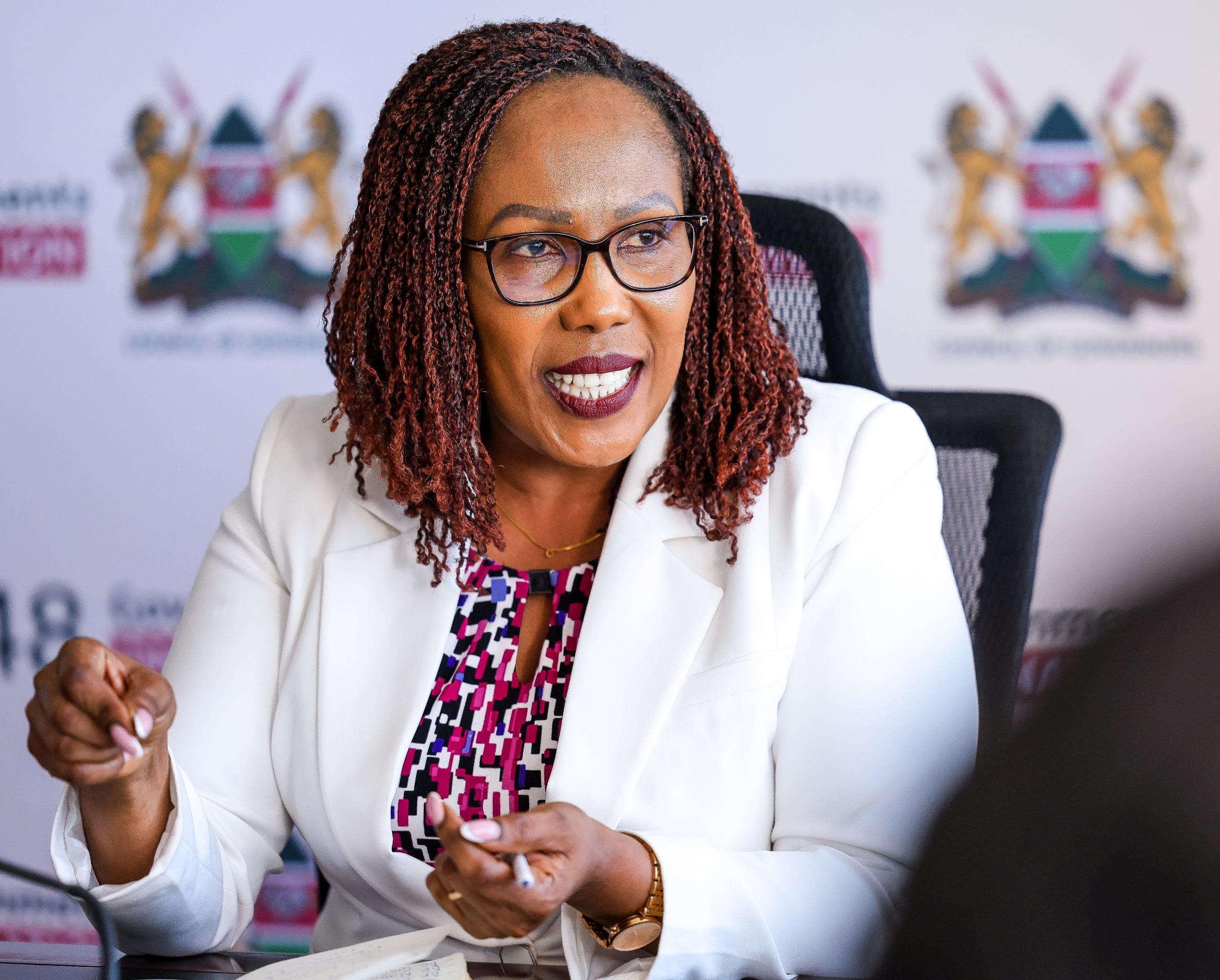
 Chief Executive Officer, Council of Governors Mary Mwiti/HANDOUT
As Kenya gears up for the 2027 General Elections, the period leading up to this historic moment willincreasingly be dominated by heightened politics and a shift of focus by the public on the electoral process. Development partners have an opportunity to carry out a deliberate change rather than moving away from development. This calls for more focus on stronger, coordinated and resilient partnerships while maintaining development achievements throughout the political transition.
Often, electioneering periods are characterized by changes in priorities, leadership and institutional attention. Development programmes, however, are designed to deliver results that extend beyond electoral cycles. This creates a need for a deliberate shift in how development partners engage during this period.
The first shift should be from project continuity to development continuity. Whereas elections can shift the political landscape of a country, the peoples’ daily needs do not change. Access to quality services including healthcare, clean water, education, agricultural opportunities, infrastructure, employment, social protection and security just to mention a few, remain integral regardless of the regime. Development partners should therefore focus on interventions that are anchored in established government planning and institutional systems that can withstand changes in political leadership.
At the county level, Devolution has created institutions with clear constitutional mandates for delivering essential services. County Governments should therefore remain strategic partners in development cooperation throughout the period, rather than development engagement becoming overly concentrated around national political processes.
The second shift should be from short-term visibility to long-term results. Election periods can create pressure for highly visible interventions that demonstrate immediate results. Although visibility is critical, development partners should not be driven by what they can highlight within an election period. It is equally important to appreciate that sometimes change takes time, and that should not stop their efforts.
Development organizations should ask one fundamental question: Are our interventions creating sustainable development results, or are we just running tasks as part of a set time plan? This distinction is important. The number of trainings conducted, meetings held or people reached is beneficial, but the ultimate measure of success should be whether people receive better services, improved livelihoods and economic opportunities.
The third shift should be from fragmented interventions to coordinated development support. Development partners should strengthen information sharing, joint planning and coordination with both levels of government to reduce duplication, ensure effective implementation and that available resources are directed towards clearly defined development priorities. For County Governments, the County Integrated Development Plans, Annual Development Plans and sector plans provide important entry points for this alignment.
The fourth shift should be from political-cycle thinking to institutional strengthening. Investments in public financial management, planning, monitoring and evaluation, data systems, citizen engagement and institutional capacity should continue throughout the transition period to minimise disruptions and sustain development.
The fifth shift should be from beneficiary-oriented approaches to citizen-centred partnerships. The people should always remain at the centre of development cooperation. Elections present an opportunity for politicians to listen more carefully to what communities’ feel are their priorities. Development partners should strengthen mechanisms where people can provide feedback on programs, influence priorities and hold implementing institutions accountable.
This includes greater use of established channels such as community structures, ward-level engagement, radio and digital platforms. Public participation should not be treated merely as a procedural requirement. It should be viewed as an important source of information for improving effectiveness of development interventions.
Political transitions are usually a source of uncertainty. Development partners may therefore be tempted to adopt a cautious approach, delay decisions or reduce engagement. While appropriate safeguards are necessary, disengagement can create its own risks. Communities should not bear the cost of political uncertainty.
The approach should be to provide development support while strengthening transparency, accountability, safeguards and institutional oversight. Political neutrality should not mean development neutrality. As opposed to taking sides, partners should stand firm and remain committed to the principles that underpin sustainable development.
As the country prepares for a new political and administrative cycle, the focus should now be on stronger transition planning. Development partners should start thinking about how existing programs will evolve into the next phase of governance. This includes capturing lessons learned, institutionalizing successful approaches, strengthening government ownership and ensuring that investments are not reliant on an individual.