East Africa has no shortage of markets. What it continues to struggle with is turning those markets into one seamless business opportunity.
That was one of the central questions emerging from the East Africa CEO & Investment Forum, held in Nairobi on September 17–18, 2026.
The inaugural forum brought together CEOs, investors, policymakers, development finance institutions and other stakeholders to discuss trade, investment, competitiveness and regional integration.
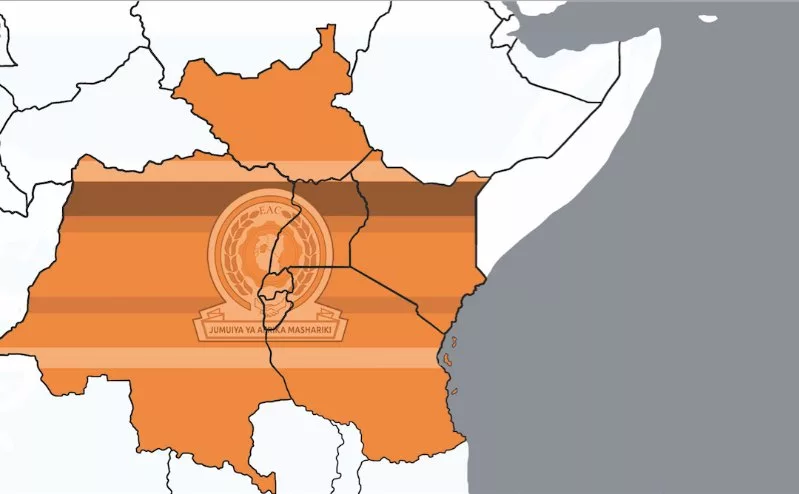
The numbers alone should change how businesses think. The East African Community represents a market of more than 300 million consumers across eight markets.
Yet many businesses continue to approach Kenya, Uganda, Tanzania, Rwanda, Burundi, South Sudan, the Democratic Republic of Congo and Somalia as separate destinations rather than components of a wider regional market.
The problem is not necessarily a lack of ambition. For many businesses, expanding across borders still means navigating different regulations, standards, taxation systems, logistics networks and administrative procedures.
Recent concerns from industry players about rising transport costs, border delays and fragmented logistics demonstrate that moving goods across the region can remain expensive and unpredictable.
But this is precisely why the conversation must now move from regional integration as a government agenda to regional integration as a business strategy.
A Kenyan manufacturer should not only ask, How big is the Kenyan market? The strategic question is, How can I design my production, distribution and partnerships to serve East Africa?
The same applies to an agribusiness in Uganda, a technology company in Rwanda, a logistics firm in Tanzania or a financial services provider operating in any EAC market.
Regional scale can allow businesses to spread costs, build stronger supply chains, attract investment and develop products for a larger customer base.
The CEO forum provided an important signal in this direction. Discussions focused on deeper regional value chains, improved investment conditions, access to finance and faster implementation of integration commitments.
The forum also presented an investment pipeline valued at $3.95 billion (Sh512 billion), reinforcing the scale of opportunities available if investment can be converted into productive enterprises, trade and jobs.
However, opportunity does not automatically become commerce. Businesses need practical tools: reliable market information, stronger business-to-business connections, efficient border processes, harmonised standards, affordable trade finance and predictable regulations.
Recent initiatives to expand digital trade access across East Africa, including connections to the Africa Trade Gateway, demonstrate how technology can help businesses overcome some of these barriers.
There is also a role for business associations and governments to make regional expansion easier for smaller enterprises, not just large corporations. MSMEs should be able to identify buyers, understand market requirements, access finance and complete cross-border transactions without needing a large corporate infrastructure.
The real test of East African integration will therefore not be the number of declarations signed at summits. It will be whether an entrepreneur in Nairobi can sell more easily to Kampala, Kigali or Dar es Salaam and whether a business in those markets can do the same in return.
Communications and PR consultant