
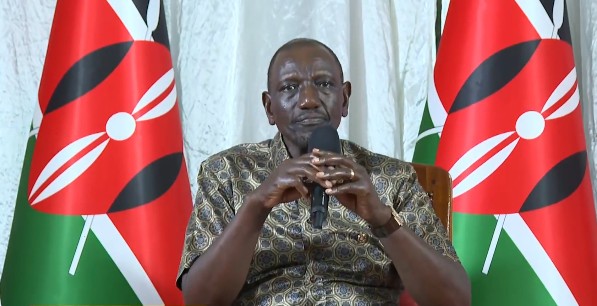
 President William Ruto speaking during an interview with the media at State House, Mombasa, on October 1, 2026/ PCS
President William Ruto has dismissed claims of tension between Kenya and other East African countries over competing refinery projects, saying there is enough room for the region to develop multiple facilities and benefit from a shared petroleum market.
Speaking during an interview with the media at State House Mombasa, Ruto said Kenya had no problem with Uganda or Tanzania pursuing their own refinery projects, arguing that demand for petroleum products in the region would require additional facilities.
“There is no bad blood at all. There is no problem,” Ruto said.
He said he had spoken with Ugandan President Yoweri Museveni and agreed that Uganda could proceed with a smaller refinery without affecting Kenya's plans for the Lamu facility.
Ruto said Kenya would even be willing to buy fuel from Uganda if it was competitively priced and could be transported economically into the country.
“If it is manufactured there in Uganda and the oil from that place is near Busia, and it can reach Busia at a lower price, we will buy oil from anywhere and bring it to Busia,” he said.
The President said Kenya's Lamu refinery would not be sufficient to supply the entire region, meaning other countries would still have an opportunity to develop their own facilities.
He said Kenya could also invest in a refinery in Tanga, Tanzania, if the project proceeds.
“Even if the one in Tanga is built, we as Kenya will go and buy some shares there. There is no problem,” Ruto said.
He said the different projects should be viewed as opportunities for regional cooperation rather than competition between countries.
Ruto's remarks came a day after he presided over the groundbreaking of the Lamu refinery project, which is expected to form part of a wider industrial complex.
He said the refinery would help Kenya reduce its exposure to international oil price fluctuations and disruptions caused by conflicts and instability in oil-producing regions.
Ruto said local refining would also reduce some costs associated with importing petroleum products, including insurance and transportation.
“Lamu will give us an opportunity to have fuel without the fluctuations that we have now,” he said.
He said the bigger economic benefit of the refinery would come from industries established around it and the use of petroleum by-products.
The government is setting aside additional land for industries linked to the refinery, including petrochemical, chemical and plastics manufacturing.
Ruto said the project could also support local production of fertiliser and bitumen, reducing the need to import some of these products.
He said the wider development would create opportunities for investment, employment and trade while strengthening economic links within the East African region.
Ruto said Kenya's approach was to allow businesses to source petroleum products from whichever regional facility could offer competitive prices.
He maintained that the refinery projects being pursued by Kenya, Uganda and Tanzania could coexist and contribute to the development of the wider East African economy.







