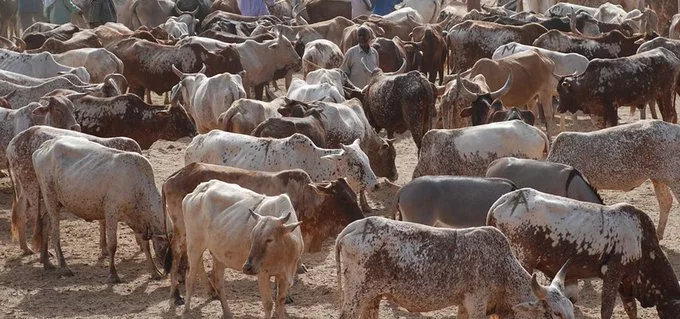
Parliament is proposing a major restructuring of the livestock sector through a bill that establishes a dedicated transformation fund, specialised state agencies and strengthens regulation of livestock inputs and products.
The Livestock Bill, 2026 seeks to reorganise the sector’s institutional framework, while strengthening research, marketing, animal health, training and value addition.
The Bill is sponsored by National Assembly Majority leader Kimani Ichung’wah (Kikuyu).
It proposes the establishment of the Livestock Sector Transformation Fund and the Livestock Inputs and Products Regulatory Authority, alongside specialised agencies covering livestock research, veterinary vaccines, animal genetic resources, leather development and marketing.
It also provides for the establishment of the Kenya School of Animal Resources and Industry, the Kenya Tsetse and Trypanosomiasis Eradication Council and other institutions intended to support the development of the livestock value chain.
The proposals come as the government seeks to expand livestock production, improve animal health and position Kenya as a competitive supplier of meat and dairy products to domestic, regional and international markets.
The Bill was published on May 5, 2026, and listed for First Reading in the National Assembly on October 13 for parliamentary consideration of the proposed reforms.
Under the proposed framework, the Livestock Sector Transformation Fund is expected provide a dedicated financing mechanism for livestock development. Its potential sources of funding include government appropriations, levies, licence fees, grants, donations and investment income.
The proposed arrangement is intended to support investment in the sector.
The proposed Livestock Inputs and Products Regulatory Authority will oversee livestock inputs and products, including their production, importation, exportation, distribution and sale.
Other proposed institutions focus on livestock research, marketing, veterinary vaccines, animal breeding and genetics, leather processing and the control of tsetse flies and trypanosomiasis.
The proposed Livestock and Livestock Products Marketing Board is to support market development and the marketing of livestock products, while the Kenya Leather Development Authority focuses on developing the leather industry and promoting value addition.
The reorganisation is intended to address longstanding weaknesses in a sector that supports millions of livelihoods but continues to face challenges ranging from high production costs and animal diseases to weak market linkages and limited processing capacity.
A 2025 policy brief by the International Livestock Research Institute and other experts identified the high cost of animal feeds as a major constraint on livestock productivity. The researchers pointed to technical challenges, fragmented supply chains, post-harvest losses and policy barriers affecting local feed production.
The Parliamentary Budget Office’s analysis of the 2026 Budget Policy Statement also highlighted the effects of drought and weak livestock marketing systems.
It cited losses of more than 2.5 million animals during the 2022–2023 drought, while noting that livestock prices are often determined by brokers through visual assessment rather than standardised grading or live-weight measurement.
The government has also identified traceability, disease surveillance, vaccination, improved genetics and better market access as priorities for making Kenyan livestock products more competitive, particularly in export markets that require evidence of animal origin, health history and compliance with food safety standards.
The proposed reforms seek to create institutions capable of supporting these objectives. However, their effectiveness will depend on implementation, funding and coordination with existing agencies and county governments.
The establishment of additional institutions also raises questions about the cost of the restructuring and whether their mandates will overlap with functions already performed by existing agencies.
In September 2024, the National Assembly withdrew an earlier Livestock Bill to allow for more comprehensive public consultation after concerns were raised about stakeholder involvement.
The 2026 Bill now presents Parliament with another opportunity to examine the proposed institutional changes and consider the views of farmers, pastoralists, processors, traders and other players in the sector.