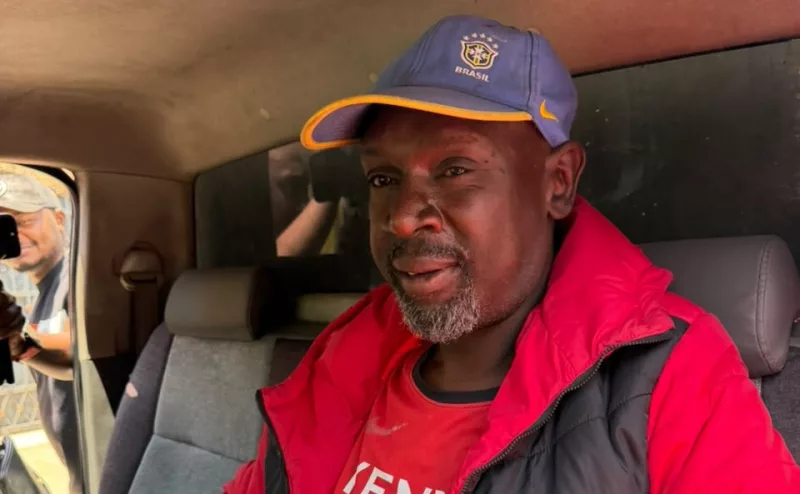
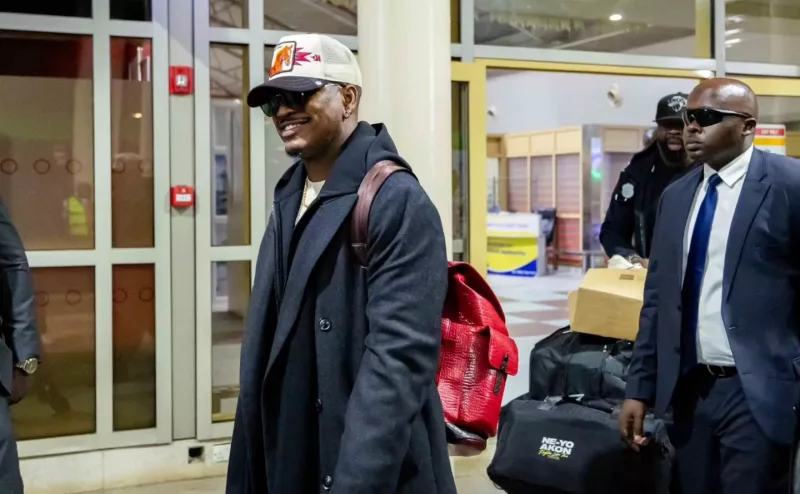
Former Machakos County First Lady Lillian Ng’ang’a has weighed in on the growing trend of people posting private conversations online after someone approaches them romantically.
Across social media, people increasingly screenshot and share DMs, WhatsApp messages and other private conversations from individuals trying to shoot their shot.
While some share the exchanges for laughs, others use the screenshots to expose what they consider embarrassing, awkward or inappropriate approaches.
Read Also
The trend has, however, sparked debate over privacy, consent and whether every failed romantic advance needs to become public entertainment.

Lilian questions the trend
Lillian Ng’ang’a has now criticised people who publicly share messages from individuals who are hitting on them, arguing that such posts can reveal more about the person sharing them than the person being exposed.
She made the remarks while discussing the circumstances under which private messages should be made public.
“Not unless the DM puts your life at risk and you need to expose the sender,” Lillian said.
She added that she is particularly critical of people who post ordinary romantic advances simply because someone expressed interest in them.
“Posting messages from people who are hitting on you makes me judge y’all and your self-esteem,” she added.
Social media ‘shoot your shot’ trend.
The culture of shooting one’s shot online has become a familiar part of social media, with people regularly sliding into the DMs of celebrities, influencers, and ordinary users in hopes of starting a relationship.
In some cases, screenshots of these conversations are shared publicly after the sender makes a bold romantic proposal or says something considered funny.
The posts can quickly attract thousands of reactions, with friends and followers joining in to analyse the conversation or mock the person who approached.
However, Lillian’s comments highlight another side of the trend — the question of whether a private romantic message should automatically become public content.
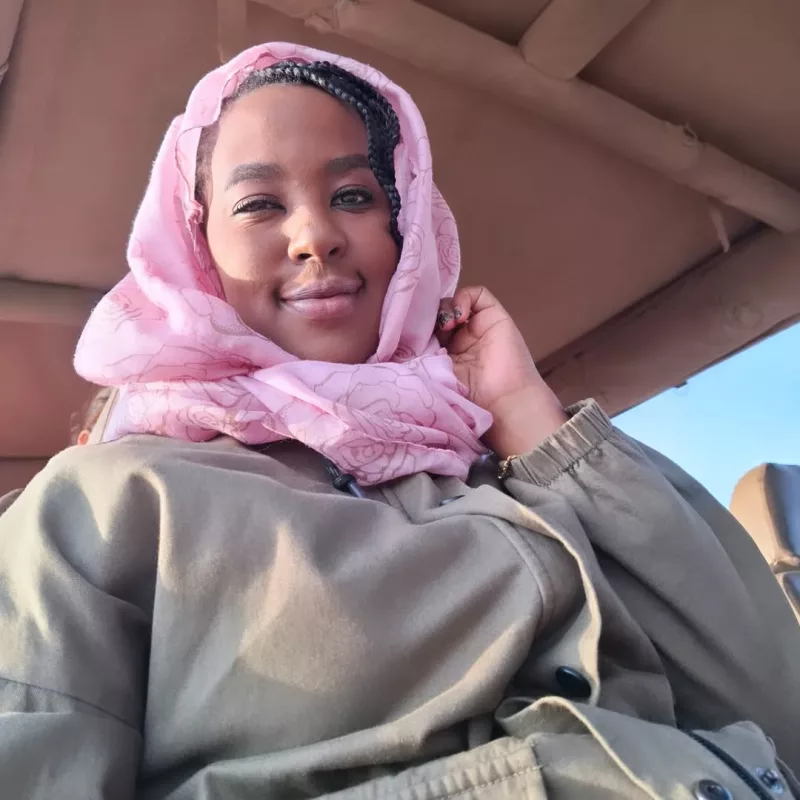
When exposure may be necessary
Lillian appeared to draw a distinction between harmless flirting and messages that could pose a genuine threat.
She suggested that exposing a sender could be justified where a DM puts someone’s life or safety at risk.