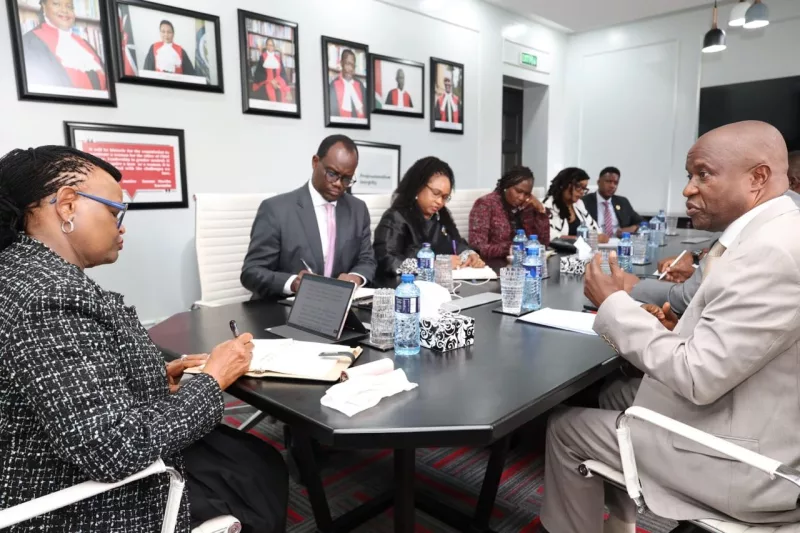
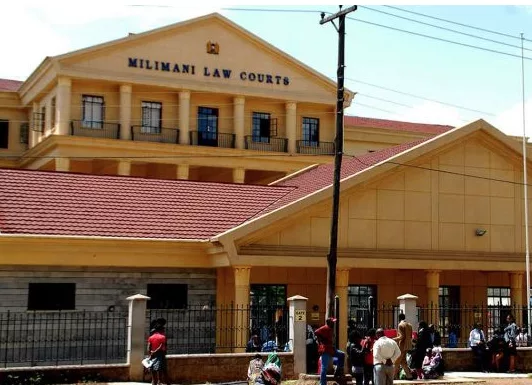
 Milimani Law Courts./FILE
Infinity Industrial Park Limited has turned to the Central Bank of Kenya (CBK), seeking a regulatory review of Bank of Baroda Kenya Limited’s conduct following a High Court decision that terminated the lender’s appointment of joint administrators over the company.
The company has lodged a complaint with the banking regulator, accompanied by court decisions and other documents relating to its dispute with the bank.
The complaint follows a September 24, 2026 ruling by Justice Freda Mugambi, which set aside, and terminated the appointment of the administrators.
The judge found that the administration amounted to an “improper and collateral invocation of statutory insolvency powers” in circumstances where competing financial claims between the bank and Infinity remained unresolved.
Infinity is asking CBK to examine various issues arising from the bank’s handling of its relationship with the company.
These include the circumstances surrounding the appointment of administrators, credit-management decisions, requests for partial discharge of charged property, and restructuring and repayment proposals.
The company has also asked the regulator to consider whether the bank’s internal governance, risk-management and legal-review processes were followed before the administration was commenced.
These matters form part of Infinity’s complaint and have not been presented as findings by CBK.
The High Court ruling followed a dispute involving competing claims arising from the banking relationship.
Bank of Baroda had demanded about Sh2 billion from Infinity, while Infinity had obtained a default judgement against the bank in a separate commercial case.
The bank subsequently sought to set aside that judgment and obtain leave to defend the case, but the application was dismissed on July 31, 2026. The matter was thereafter proceeding to formal proof.
Bank of Baroda had maintained in the court proceedings that Infinity had defaulted on its loan obligations and that the bank was entitled to exercise its rights as a secured lender.
The bank's position included its claim for repayment and its security over property belonging to the company.
The bank subsequently appointed joint administrators over Infinity, relying on its claim against the company
Infinity’s directors and shareholders challenged the appointment, arguing that the administration had been commenced while a separate court dispute involving the company’s claim against the bank remained unresolved.
The High Court ultimately considered whether the bank’s claimed debt was sufficiently ascertained to support administration while Infinity’s claim against the bank remained pending.
Justice Mugambi held that it could not yet be established whether Infinity owed the bank a net amount or was unable to pay its debts, given the competing claims between the parties.
The court also found no evidence before it of asset dissipation or urgency requiring administration before the parties’ respective financial positions had been established.
The court consequently ordered the administrators to return Infinity’s property and records and directed the restoration of the company’s management and control.
Bank of Baroda was also ordered to meet the costs of the application, the costs occasioned by the purported administration and reasonable restoration expenses.
Infinity has now asked CBK to independently examine the matters raised in its complaint and consider any regulatory or supervisory action it considers appropriate.