For years, in Kenya, a person who survived a suicide attempt could find themselves facing not only the pain that had brought them to that point, but also the criminal justice system.
That changed in January 2025.
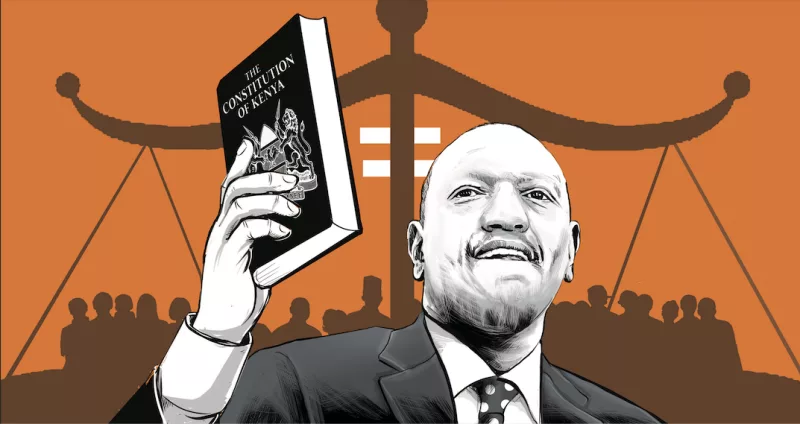
On January 9, the High Court declared Section 226 of the Penal Code, which criminalised attempted suicide, unconstitutional. The court found that the provision violated constitutional protections relating to equality, dignity and the right to the highest attainable standard of health. (Kenya Law)
It was an important legal milestone. But it also leaves us with a much bigger question:
What happens next?
Because removing a criminal penalty does not remove suicidal thoughts. It does not make depression disappear. It does not heal trauma, loneliness or grief. It does not put food on the table for someone crushed by financial hardship, repair a broken relationship or make a person living with chronic illness feel less overwhelmed.
And the law, by itself, cannot provide a counsellor when someone desperately needs one.
This is where Kenya's conversation about suicide prevention must go next.
Suicide is not a sign of weakness, moral failure or criminality. It is a serious public-health concern that demands compassion, early intervention and access to appropriate care. A person experiencing suicidal thoughts may be dealing with psychological distress alongside depression, trauma, substance use, bereavement, relationship difficulties, financial pressure or other overwhelming circumstances.
Sometimes, the distress does not announce itself by saying, "I am suicidal."
It may sound like: "I can't do this anymore."
"Everyone would be better off without me."
"I am tired."
"There is no way out."
We need to learn to listen to those statements differently.
Repeated talk about death, hopelessness or being a burden; withdrawing from friends and family; sudden changes in behaviour; increased substance use; giving away valued possessions; or saying unexpected goodbyes should not simply be dismissed as attention-seeking.
Sometimes what looks like attention-seeking is actually help-seeking.
One of the simplest things we can do is ask.
Asking someone directly and compassionately whether they are thinking about suicide does not create suicidal thoughts. It can instead open a door for someone who has been carrying unbearable distress in silence.
And when that door opens, we need to know what to do next: listen without judgement, take the person seriously, connect them to appropriate professional support and, where there is immediate danger, seek urgent help and ensure they are not left alone.
For someone who survives a suicide attempt, survival should be the beginning of care—not the beginning of shame.
Medical treatment may address immediate physical danger, but recovery can also require psychological assessment, counselling, safety planning, family and social support, appropriate treatment and follow-up.
Otherwise, we may save someone from the immediate crisis only to send them back into the circumstances that contributed to it without adequate support.
This is why decriminalisation cannot be the end of Kenya's suicide-prevention conversation.
We now need to ask whether mental-health services are accessible and affordable. Can people find help without travelling long distances or facing financial barriers? Do our schools and workplaces know how to respond when someone is struggling? Can families talk about suicide without immediately turning to blame, shame or silence? Do our faith communities have the knowledge and confidence to recognise distress and make appropriate referrals?
These questions matter because suicide prevention does not belong to mental-health professionals alone.
It belongs to all of us.
A friend may be the first person to notice a change. A teacher may hear a troubling statement from a student. A colleague may notice that someone who was once engaged has suddenly withdrawn. A parent may recognise that a child is struggling. A religious leader may be approached by someone who does not know where else to turn.
The response at that moment matters.
At Amani Counselling Centre & Training Institute, we have seen the value of creating safe and confidential spaces where people can talk about difficult experiences without being judged. Through counselling, psychosocial support, referrals and resilience-building, we seek to help people recognise and address distress before it becomes a crisis.
But no counselling centre can do this alone.
We need stronger referral systems, better public awareness, more accessible mental-health services and communities that are prepared to listen.
Ultimately, the success of decriminalisation should not be measured only by the number of people who are no longer prosecuted after attempting suicide.
We should ask a different set of questions.
Are people in distress being recognised earlier?
Can they access appropriate care?
Are survivors receiving support after the immediate crisis?
Are families being supported?
And most importantly, are we saving lives?
The law has changed. Now our response must change with it.
A person in deep distress should not have to choose between silence and a courtroom. They should find a listening ear, compassionate support and a pathway to care.
That is what the next chapter of Kenya's suicide-prevention conversation should be about.
If you or someone you know is experiencing severe emotional distress, persistent hopelessness or suicidal thoughts, seek professional help early. You do not have to wait for a crisis to ask for help.
Amani
Counselling Centre & Training Institute (ACCTI)
Telephone: 0722 626 590
WhatsApp: 0716 518 250
Email: [email protected]
Website: www.amanicentre.org
Florence Busiega is the Executive Director of Amani Counselling Centre & Training Institute (ACCTI).

That changed in January 2025.
On January 9, the High Court declared Section 226 of the Penal Code, which criminalised attempted suicide, unconstitutional. The court found that the provision violated constitutional protections relating to equality, dignity and the right to the highest attainable standard of health. (Kenya Law)
It was an important legal milestone. But it also leaves us with a much bigger question:
What happens next?
Because removing a criminal penalty does not remove suicidal thoughts. It does not make depression disappear. It does not heal trauma, loneliness or grief. It does not put food on the table for someone crushed by financial hardship, repair a broken relationship or make a person living with chronic illness feel less overwhelmed.
And the law, by itself, cannot provide a counsellor when someone desperately needs one.
This is where Kenya's conversation about suicide prevention must go next.
Suicide is not a sign of weakness, moral failure or criminality. It is a serious public-health concern that demands compassion, early intervention and access to appropriate care. A person experiencing suicidal thoughts may be dealing with psychological distress alongside depression, trauma, substance use, bereavement, relationship difficulties, financial pressure or other overwhelming circumstances.
Sometimes, the distress does not announce itself by saying, "I am suicidal."
It may sound like: "I can't do this anymore."
"Everyone would be better off without me."
"I am tired."
"There is no way out."
We need to learn to listen to those statements differently.
Repeated talk about death, hopelessness or being a burden; withdrawing from friends and family; sudden changes in behaviour; increased substance use; giving away valued possessions; or saying unexpected goodbyes should not simply be dismissed as attention-seeking.
Sometimes what looks like attention-seeking is actually help-seeking.
One of the simplest things we can do is ask.
Asking someone directly and compassionately whether they are thinking about suicide does not create suicidal thoughts. It can instead open a door for someone who has been carrying unbearable distress in silence.
And when that door opens, we need to know what to do next: listen without judgement, take the person seriously, connect them to appropriate professional support and, where there is immediate danger, seek urgent help and ensure they are not left alone.
For someone who survives a suicide attempt, survival should be the beginning of care—not the beginning of shame.
Medical treatment may address immediate physical danger, but recovery can also require psychological assessment, counselling, safety planning, family and social support, appropriate treatment and follow-up.
Otherwise, we may save someone from the immediate crisis only to send them back into the circumstances that contributed to it without adequate support.
This is why decriminalisation cannot be the end of Kenya's suicide-prevention conversation.
We now need to ask whether mental-health services are accessible and affordable. Can people find help without travelling long distances or facing financial barriers? Do our schools and workplaces know how to respond when someone is struggling? Can families talk about suicide without immediately turning to blame, shame or silence? Do our faith communities have the knowledge and confidence to recognise distress and make appropriate referrals?
These questions matter because suicide prevention does not belong to mental-health professionals alone.
It belongs to all of us.
A friend may be the first person to notice a change. A teacher may hear a troubling statement from a student. A colleague may notice that someone who was once engaged has suddenly withdrawn. A parent may recognise that a child is struggling. A religious leader may be approached by someone who does not know where else to turn.
The response at that moment matters.
At Amani Counselling Centre & Training Institute, we have seen the value of creating safe and confidential spaces where people can talk about difficult experiences without being judged. Through counselling, psychosocial support, referrals and resilience-building, we seek to help people recognise and address distress before it becomes a crisis.
But no counselling centre can do this alone.
We need stronger referral systems, better public awareness, more accessible mental-health services and communities that are prepared to listen.
Ultimately, the success of decriminalisation should not be measured only by the number of people who are no longer prosecuted after attempting suicide.
We should ask a different set of questions.
Are people in distress being recognised earlier?
Can they access appropriate care?
Are survivors receiving support after the immediate crisis?
Are families being supported?
And most importantly, are we saving lives?
The law has changed. Now our response must change with it.
A person in deep distress should not have to choose between silence and a courtroom. They should find a listening ear, compassionate support and a pathway to care.
That is what the next chapter of Kenya's suicide-prevention conversation should be about.
If you or someone you know is experiencing severe emotional distress, persistent hopelessness or suicidal thoughts, seek professional help early. You do not have to wait for a crisis to ask for help.
Amani
Counselling Centre & Training Institute (ACCTI)
Telephone: 0722 626 590
WhatsApp: 0716 518 250
Email: [email protected]
Website: www.amanicentre.org
Florence Busiega is the Executive Director of Amani Counselling Centre & Training Institute (ACCTI).
For years, in Kenya, a person who survived a suicide attempt could find themselves facing not only the pain that had brought them to that point, but also the criminal justice system.
That changed in January 2025.
On January 9, the High Court declared Section 226 of the Penal Code, which criminalised attempted suicide, unconstitutional. The court found that the provision violated constitutional protections relating to equality, dignity and the right to the highest attainable standard of health. (Kenya Law)
It was an important legal milestone. But it also leaves us with a much bigger question:
What happens next?
Because removing a criminal penalty does not remove suicidal thoughts. It does not make depression disappear. It does not heal trauma, loneliness or grief. It does not put food on the table for someone crushed by financial hardship, repair a broken relationship or make a person living with chronic illness feel less overwhelmed.
And the law, by itself, cannot provide a counsellor when someone desperately needs one.
This is where Kenya's conversation about suicide prevention must go next.
Suicide is not a sign of weakness, moral failure or criminality. It is a serious public-health concern that demands compassion, early intervention and access to appropriate care. A person experiencing suicidal thoughts may be dealing with psychological distress alongside depression, trauma, substance use, bereavement, relationship difficulties, financial pressure or other overwhelming circumstances.
Sometimes, the distress does not announce itself by saying, "I am suicidal."
It may sound like: "I can't do this anymore."
"Everyone would be better off without me."
"I am tired."
"There is no way out."
We need to learn to listen to those statements differently.
Repeated talk about death, hopelessness or being a burden; withdrawing from friends and family; sudden changes in behaviour; increased substance use; giving away valued possessions; or saying unexpected goodbyes should not simply be dismissed as attention-seeking.
Sometimes what looks like attention-seeking is actually help-seeking.
One of the simplest things we can do is ask.
Asking someone directly and compassionately whether they are thinking about suicide does not create suicidal thoughts. It can instead open a door for someone who has been carrying unbearable distress in silence.
And when that door opens, we need to know what to do next: listen without judgement, take the person seriously, connect them to appropriate professional support and, where there is immediate danger, seek urgent help and ensure they are not left alone.
For someone who survives a suicide attempt, survival should be the beginning of care—not the beginning of shame.
Medical treatment may address immediate physical danger, but recovery can also require psychological assessment, counselling, safety planning, family and social support, appropriate treatment and follow-up.
Otherwise, we may save someone from the immediate crisis only to send them back into the circumstances that contributed to it without adequate support.
This is why decriminalisation cannot be the end of Kenya's suicide-prevention conversation.
We now need to ask whether mental-health services are accessible and affordable. Can people find help without travelling long distances or facing financial barriers? Do our schools and workplaces know how to respond when someone is struggling? Can families talk about suicide without immediately turning to blame, shame or silence? Do our faith communities have the knowledge and confidence to recognise distress and make appropriate referrals?
These questions matter because suicide prevention does not belong to mental-health professionals alone.
It belongs to all of us.
A friend may be the first person to notice a change. A teacher may hear a troubling statement from a student. A colleague may notice that someone who was once engaged has suddenly withdrawn. A parent may recognise that a child is struggling. A religious leader may be approached by someone who does not know where else to turn.
The response at that moment matters.
At Amani Counselling Centre & Training Institute, we have seen the value of creating safe and confidential spaces where people can talk about difficult experiences without being judged. Through counselling, psychosocial support, referrals and resilience-building, we seek to help people recognise and address distress before it becomes a crisis.
But no counselling centre can do this alone.
We need stronger referral systems, better public awareness, more accessible mental-health services and communities that are prepared to listen.
Ultimately, the success of decriminalisation should not be measured only by the number of people who are no longer prosecuted after attempting suicide.
We should ask a different set of questions.
Are people in distress being recognised earlier?
Can they access appropriate care?
Are survivors receiving support after the immediate crisis?
Are families being supported?
And most importantly, are we saving lives?
The law has changed. Now our response must change with it.
A person in deep distress should not have to choose between silence and a courtroom. They should find a listening ear, compassionate support and a pathway to care.
That is what the next chapter of Kenya's suicide-prevention conversation should be about.
If you or someone you know is experiencing severe emotional distress, persistent hopelessness or suicidal thoughts, seek professional help early. You do not have to wait for a crisis to ask for help.
Amani
Counselling Centre & Training Institute (ACCTI)
Telephone: 0722 626 590
WhatsApp: 0716 518 250
Email: [email protected]
Website: www.amanicentre.org
Florence Busiega is the Executive Director of Amani Counselling Centre & Training Institute (ACCTI).