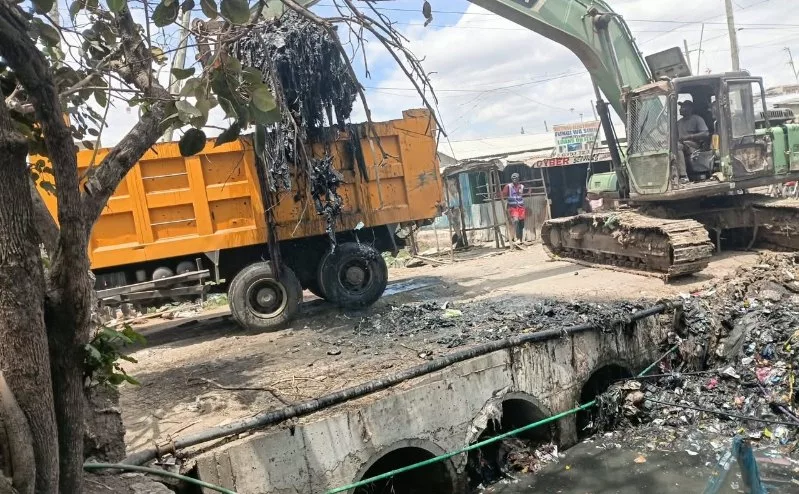
The Nairobi Rivers Commission has stepped up efforts to unclog drainage systems and clear waterways across the city as authorities prepare for the anticipated El Niño rains.
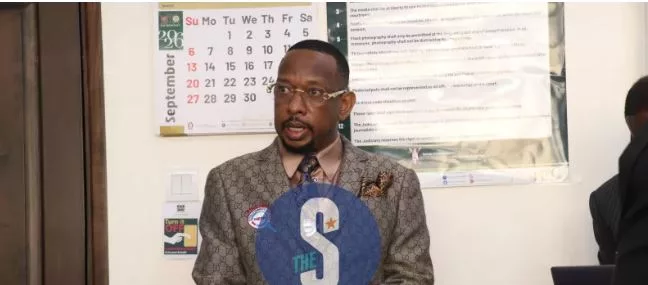
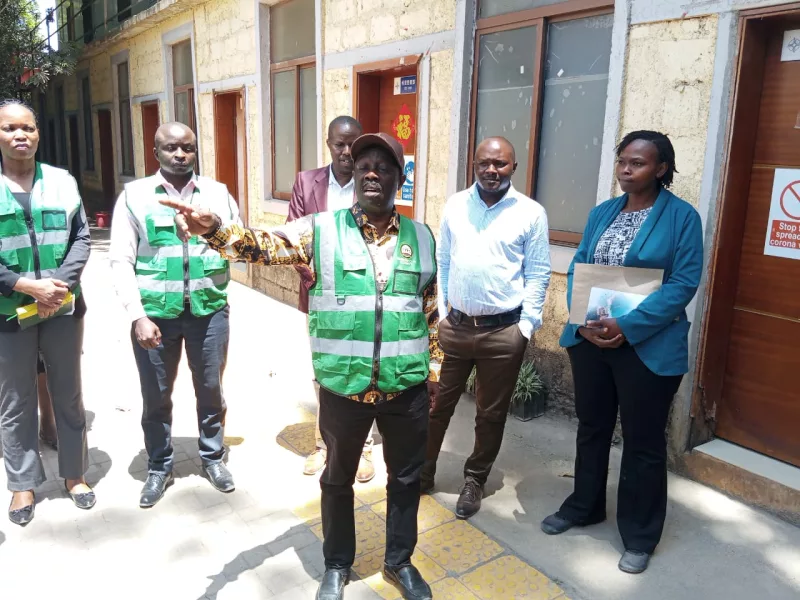
Commissioner Mumo Musuva said on Wednesday that drainage clearance was underway in several parts of the capital as agencies work to reduce the risk of flooding.
In the Westlands area, works are ongoing along Woodvale Grove, Mpaka Road and First Parklands areas
Works are also ongoing in Eastland areas including Umoja 1 and Kariobangi South wards where teams are working along Kangundo Road at Dr Mwenje Secondary School and Nairobi River Primary School.
Other works in the Northern area are being carried out along Kigwa Road and Kivuli Avenue.
In Starehe, drainage clearance is underway along Ngara Desai Road, Pangani Juja Road and along General Waruinge Road in Ziwani.
The exercise has also been extended to the Red Cross area in South C ward.
Musuva said expansion of stormwater drainage was underway at Dada Mary in Gatina ward in Dagoretti while works were also taking shape at Bee Centre in Komarock ward in Embakasi Central.
The main drainage channel at the Asphalt Plant through Mowlem ward is also being opened.
Works to address risks posed by the Nairobi Dam will begin soon after a technical assessment of the facility was completed and approved. The structure had been severely compromised by years of neglect.
“Records show that the Nairobi Dam was last maintained
in 1998,” he said.
Musuva said the dam was also facing serious challenges from encroachment, waste and poor maintenance.
He decried the construction of large apartments near the facility, saying the 30-metre riparian reserve had been encroached.
“Eighty per cent of the dam is floating waste; this has
affected hydrological flows,” Musuva said.
The spillway has collapsed and the commission is exploring options for rehabilitation.
The ongoing rehabilitation plans by the Water Resources Authority, Nairobi Rivers Commission and Nairobi County Government come amid renewed efforts to restore the capital’s environment and reduce the risk of flooding.
The dam, constructed in 1953 for recreation and flood control along the Ngong River, has over the years been degraded by sewage discharge, encroachment and informal settlements.
The Water Resources Authority had initially proposed
decommissioning the dam to restore its ecological integrity, but authorities
have opted for rehabilitation as part of wider efforts to revive Nairobi’s
environment.
The facility has in recent months emerged as a major
safety concern, particularly during heavy rains.
Authorities have previously warned of a possible breach
and issued evacuation notices to residents in downstream areas including
Kibera, Nyayo Highrise, Dam Estate, Lang’ata, Nairobi West and Madaraka.
The warnings followed rising water levels that threatened
to overflow weakened embankments, with the WRA cautioning of flood risks.
At least 40 people were reported to have died in Nairobi
during the past rains in March, underscoring the urgency of flood-prevention measures.
On Tuesday, Governor Johnson Sakaja said the
county had stepped up preparations for the expected El Niño rains by deploying
more earth-moving equipment to flood hotspots and intensifying the widening,
deepening and desilting of drainage channels.
Sakaja inspected works along the critical drainage corridor from the KIRDI/Bellevue axis to the main outfall along Mombasa Road, where multi-agency teams are working to improve stormwater flow.
“We are bringing together the county government, KURA,
KeNHA, KeRRA, Kenya Red Cross and the Nairobi Rivers Commission under our ‘One
County, One Plan, One Command’ approach,” Sakaja said.
He said an Emergency Operations Centre and hotline 1508 had been activated for residents to report emergencies.
“We cannot wait for the rains to come before we act. Our teams will remain fully deployed to ensure we are ready and to protect lives and property,” he said.
The governor urged residents living in riparian and other flood-prone areas to heed advice to relocate to safer areas.
On August 17, Sakaja convened a multi-agency meeting at City Hall to strengthen the city’s preparedness for the expected rains.
The teams include the Kenya Red Cross, KURA, KeNHA, the National Disaster Management Authority, Nairobi County Disaster Management Team, Nairobi Rivers Commission and other agencies.
Sakaja said 227 flood hotspots had been identified across Nairobi’s 17 sub-counties, with five sub-committees established to coordinate infrastructure and drainage, emergency response and evacuation, shelter and relief, security and traffic, and communication.
He said the county was mobilising personnel, equipment and resources to clear blocked drains, remove silt and waste, address obstructions along waterways and strengthen emergency response in vulnerable areas.
The preparedness programme is backed by Sh2.4 billion in flood-mitigation works, including Sh2 billion for drainage improvements on 19 flood-prone roads, with tenders already awarded