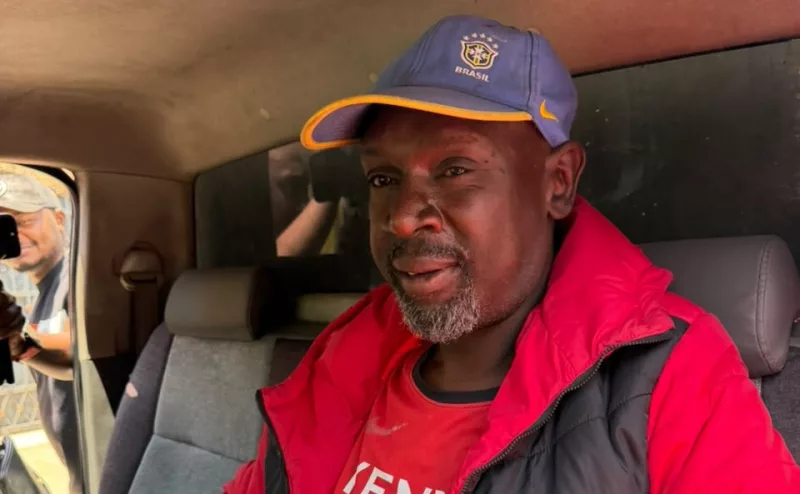
Controversial Nairobi preacher Prophet Victor Kanyari has admitted that entering Christian ministry was not a divine calling, but a practical decision driven by financial hardship.
Speaking during an interview on Radio Maisha, the head of Salvation Healing Ministry explained how he struggled to generate income before introducing his famous Ksh 310 "seed" request.
From Poverty to the Pulpit
Kanyari grew up in hardship after moving from Loitokitok to Nairobi with his mother, Prophetess Lucy Nduta.
He dropped out of school in Form Three due to behavioural troubles and began assisting his mother on the streets. He later started preaching independently in Kawangware after a local landlord offered him a free hall.
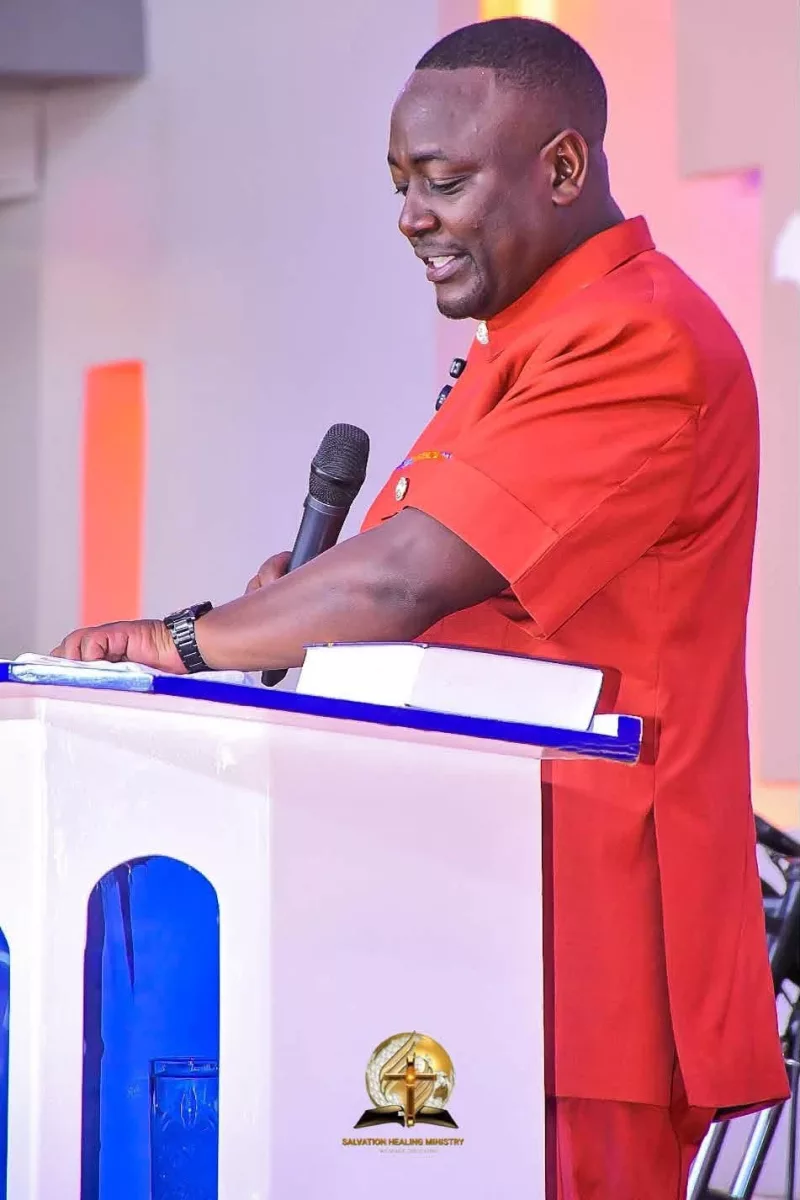
He added that seeing his mother receive food items and financial gifts motivated his decision to enter ministry full-time.
“For me, I can’t say was a calling, I just saw, loved it and that’s how I became a preacher.”
The 2014 Exposé
Kanyari first attracted national scrutiny in 2014 following a KTN Jicho Pevu television investigation titled Makri ya Injili ("Gospel Scam").
The investigative report exposed how he stage-managed miracles and used potassium permanganate to turn water red, simulating physical healings.
Despite the public backlash and government calls for investigation, Kanyari retained a dedicated congregation in Nairobi.
The Magic of the Ksh 310 Seed
Before finding success, Kanyari struggled to raise money through radio broadcasts.
He initially asked listeners to send Ksh 1,000, Ksh 700, and Ksh 500, but received almost no responses. He then lowered the requested amount to Ksh 310.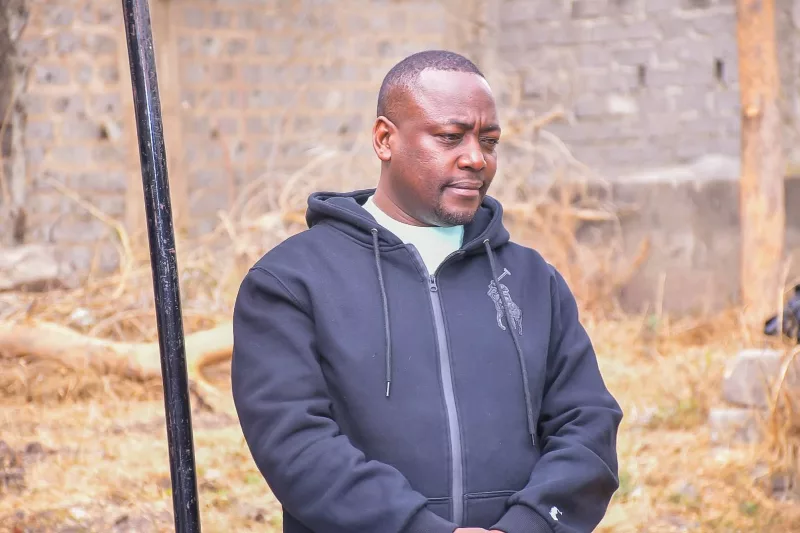
"Lakini wakati nilisema panda mbegu ya 310 mimi sijui ilikuwa na magic gani watu walikuwa wanatuma," he recalled.
The strategy yielded massive returns. Multiple mobile phones filled up with transactions, bringing in over Ksh 1 million per day during peak periods.
When asked where the funds went, Kanyari offered a direct response: "Zangu za kula na kusaidia watu.”
Escaping Prosecution
Following the 2014 media expose, former journalist Mohammed Ali campaigned for Kanyari's arrest.
However, law enforcement authorities required aggrieved church members to file formal complaints at police stations.
"Hakuna mtu ambaye alienda," Kanyari noted, explaining that no congregants recorded statements against him.
Because no formal complainants came forward, police took no action, allowing Kanyari to continue his preaching career, which now spans over two decades.