

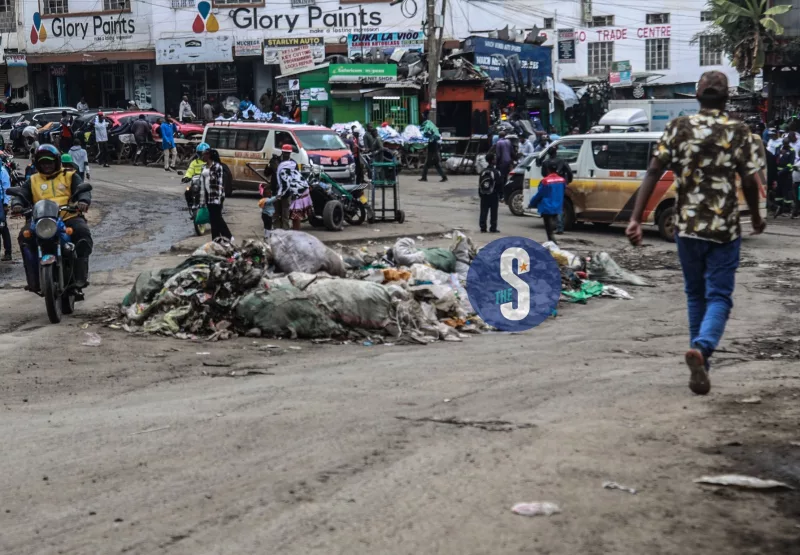
 A heap of garbage lies piled along Voi Road in Nairobi’s downtown area on September 21, 2026. The mounting waste threatens to clog drainage systems, increasing the risk of flooding during heavy rains. /ENOS TECHE
Kenya is days away from the October-December rainfall season, with the Kenya Meteorological Service forecasting above-average rainfall in several parts of the country as El Niño conditions develop.
The forecast has raised the risk of floods, landslides, damage to infrastructure, disruption of transport and displacement of vulnerable households.
The government has, however, urged Kenyans not to panic, saying it has activated multi-agency measures to minimise the impact of the rains.
Development partners and humanitarian agencies have also been brought on board to support anticipatory action and response in disaster-prone areas.
Deputy President Kithure Kindiki has said Nairobi requires special attention because of its urban setting and the concentration of people and infrastructure in areas exposed to flooding.
“We have taken cognizance of the unique situation in Nairobi whose urban dynamics demand greater attention to minimise adverse impacts,” Kindiki said.
Nairobi's exposure is particularly pronounced because of its dense built environment, extensive paved surfaces and drainage constraints.
Rapid construction has reduced areas where rainwater can naturally infiltrate, while homes and other developments in low-lying areas and riparian corridors remain vulnerable when drainage systems are overwhelmed.
The risks were starkly demonstrated on March 6, when torrential overnight rains triggered widespread flooding across Nairobi.
The Nairobi River and its tributaries swelled, major roads became impassable and vehicles were swept away in several parts of the city.
By March 13, Nairobi had recorded 33 deaths from the floods, the highest number reported in the country at the time.
The experience has heightened scrutiny of Nairobi's preparedness ahead of another potentially heavy rainfall season.
The county government has rolled out a Sh2.4 billion flood-mitigation programme that includes drainage works, river desilting, clearance of blocked waterways and preparations for emergency response.
The programme targets 19 flood-prone roads, while authorities have mapped areas vulnerable to flooding and are working with national agencies and humanitarian organisations.
But a spot check in parts of the city suggests that the rains could arrive before some of the preparedness measures are fully completed.
In some areas, debris removed from choked drains and water channels had yet to be collected, leaving piles of waste next to the waterways.
A sudden downpour lasting several hours, similar to the March 6 rains, could wash the debris back into the drainage system, potentially recreating the blockages authorities are trying to eliminate.
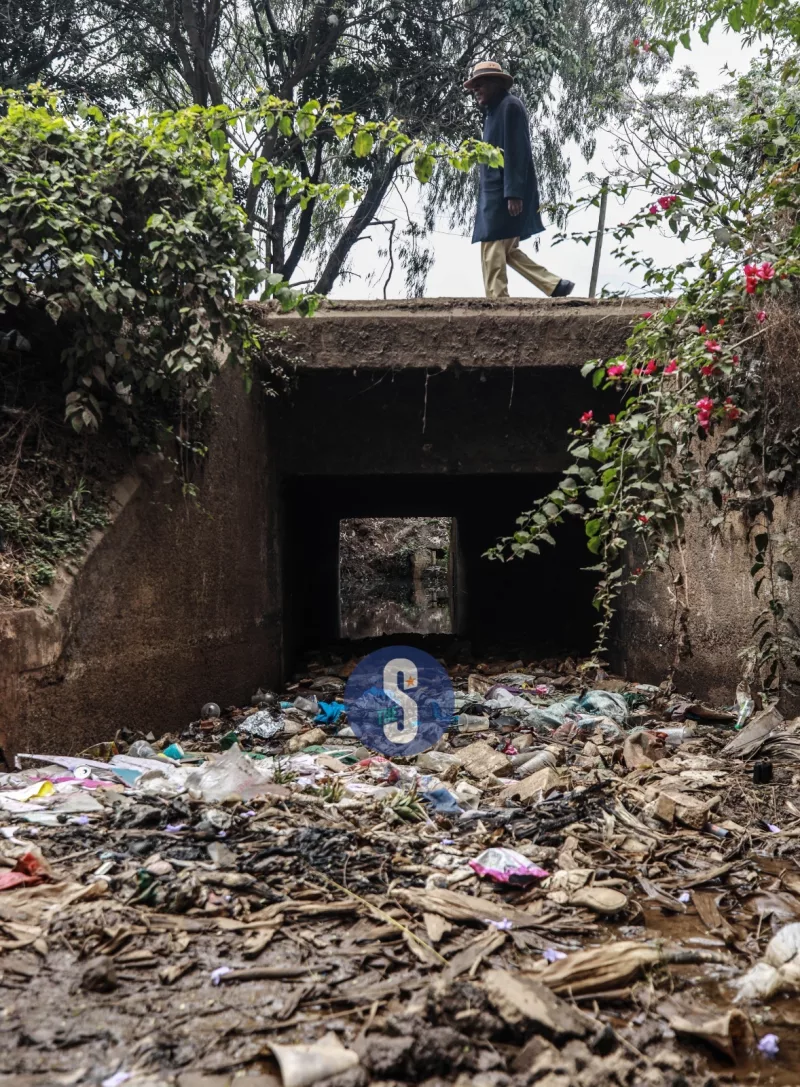 Garbage lies piled beneath one of Nairobi’s pedestrian underpasses near Globe Roundabout in the city’s downtown area on September 21, 2026. /ENOS TECHE
That raises another question: whether the city's emergency response capacity would be sufficient if several parts of Nairobi were hit simultaneously.
The county has previously deployed a fleet that includes trucks and excavators for emergency operations.
Nairobi's 2023 El Niño preparedness plan, for example, included 50 trucks and 10 excavators alongside other emergency equipment.
For the current season, the more immediate test will be whether preventive work keeps pace with the approaching rains.
Clearing waste from drainage channels, removing debris from roads and waterways and completing ongoing drainage works before the onset of heavier rainfall could determine how effectively the city absorbs the shock.
The latest forecast indicates that rainfall is expected in several parts of the country in the coming days, with wetter conditions projected to intensify towards October and continue into November.
For Nairobi, therefore, the question is no longer simply whether preparations have been announced. It is whether those measures will be fully operational before the water starts rising.







