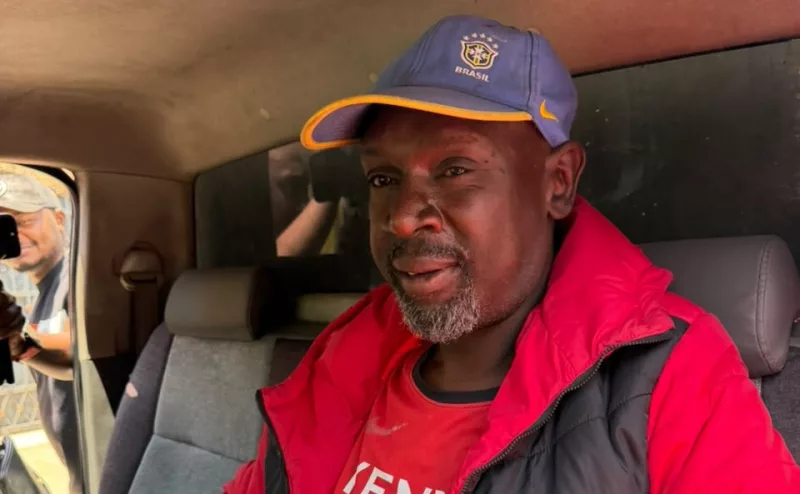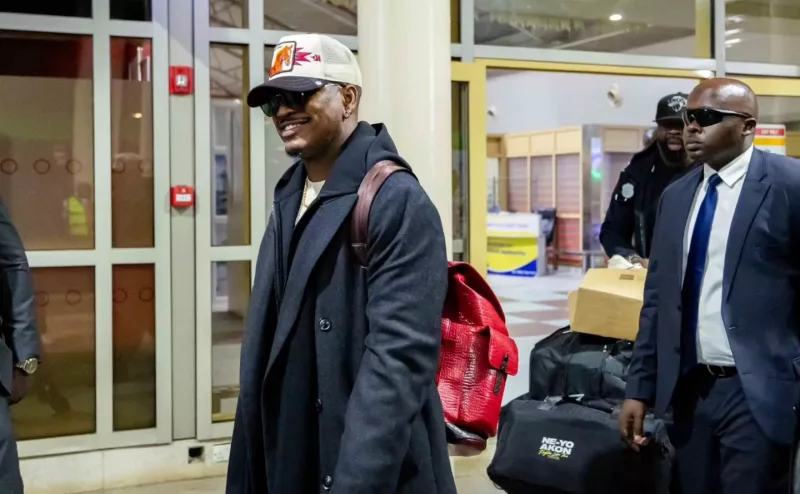
Kenyan entertainer and digital creator Oga Obinna has publicly shared his response to a male fan seeking urgent advice after his pregnant girlfriend emptied his residence and cut off contact.
The direct message exchange, published by Obinna on Instagram, has drawn widespread public attention to relationship breakdowns and paternity disputes in Kenya.
A Distressed Message from an Empty House
The unnamed follower reached out to Obinna via direct message to detail his predicament. He explained that his girlfriend was expecting his child when a dispute occurred while he was away.
During his absence, his partner took his house key, entered the property, and removed all household items before departing.

The reader expressed distress over losing touch with his expected daughter and questioned whether he should attempt to reach out.
"So, I was asking what should I do, I should I try reaching out or what should I do because I can't get that off my head I really need my daughter in my life," he added.
Obinna's Four-Step Counsel
Obinna responded to the message publicly, offering a four-part strategy to address the fan's situation.
First, Obinna urged the fan to sever all ties with his ex-partner.
"1. Stay away from that THUG," Obinna advised.
Second, the media presenter questioned the paternity of the unborn child and advised an immediate scientific test.
"2. That might not be your child. Alipelekea babake. That's why she is quiet," he stated. He followed up with a clear instruction: "Fanya DNA then ASAP."

"Build yourself, anza na kununua kitanda ingine," Obinna wrote. He added: "Relax bro, focus on yourself the Universe will balance the rest."
Fourth, he advised patience regarding the child's future, while questioning emotional attachment prior to birth.
"The baby will grow and if she is your baby mamake atakutusi sooner or later that you are dead beat, mtoto atagrow na atajileta when time is right," Obinna noted. He asked: "How do ya'll get so attached to a baby you never met."
The Wider Paternity Debate in Kenya
Obinna’s advice aligns with broader national conversations in Kenya regarding parental responsibility and paternity fraud.
According to data reported by various Kenyan medical testing laboratories, including the Kenya Medical Research Institute, between 30 and 40 per cent of disputed paternity tests conducted in the country yield negative results.
His public response continues to stimulate online discussions about boundaries, mental health, and legal clarity for fathers in Kenya.