Head of Public Service Felix Koskei chairs a consultative meeting at State House on September 17, 2026/HOPS The government has begun efforts to integrate systems used to authenticate academic qualifications as it moves to strengthen certificate verification and curb the use of fraudulent credentials in employment.
Head of Public Service Felix Koskei led a consultative meeting bringing together the Public Service Commission (PSC), Kenya National Examinations Council (KNEC) and the Ministry of Education at State House, Nairobi, on Wednesday.
The meeting focused on integrating and streamlining systems used to authenticate academic papers, particularly during the recruitment and appointment of public servants.
Advertisement
Advertisement
The initiative is expected to strengthen confidence in recruitment by ensuring people appointed to positions of responsibility hold genuine and duly authenticated academic qualifications.
PSC Chairperson Francis Meja said institutions responsible for examinations, education and public service recruitment needed to work together in verifying credentials.
“The integration and streamlining of the authentication and verification of academic credentials is critical in safeguarding the integrity of recruitment processes,” Meja said.
He said the move would help promote professionalism, competence and merit within the Public Service and the wider workforce.PSC chairperson Francis Meja (left) with Head of Public Service Felix Koskei during the meeting at State House on September 17, 2026/HOPS
The discussions come amid concerns over the use of fraudulent academic certificates and difficulties institutions can face when verifying qualifications presented by job applicants.
Advertisement
Advertisement
By bringing together the PSC, KNEC and the Ministry of Education, the government seeks to establish more coordinated mechanisms for checking academic credentials.
The proposed integration would enable relevant institutions to strengthen the process of confirming whether certificates and other academic documents presented during recruitment are genuine.
It could also help reduce gaps arising from separate verification systems and improve the efficiency of background checks during public service recruitment.
The government said reliable authentication mechanisms were important in maintaining public confidence in recruitment and ensuring appointments are based on merit and competence.Education Cabinet Secretary Julius Ogamba during the meeting/HOPS
The meeting was attended by Education Cabinet Secretary Julius Migos Ogamba, PSC Secretary and CEO Paul Famba, KNEC Chairperson Julius Nyabundi and KNEC CEO David Njeng’ere.
Principal Secretaries Beatrice Inyangala (Higher Education and Research), John Ololtuaa (Basic Education) and Jane Imbunya (Public Service and Human Capital Development) also attended.
The engagement brings the three institutions closer in efforts to address verification of academic qualifications from issuance and examination to recruitment into public service.
The authentication of academic papers has become an increasingly important part of recruitment, particularly for positions requiring specialised academic and professional qualifications.
The government said strengthening verification would help ensure only qualified candidates are appointed to positions in which academic credentials are a requirement.
The initiative will also support efforts to promote professionalism and accountability across the public sector.
Officials did not give details of the specific technology or timeline for integrating the systems, but Wednesday’s meeting marked a step towards developing a coordinated framework for academic credentials verification.Head of Public Service Felix Koskei during the meeting at State House on September 17, 2026/HOPS
The approach would link processes while improving coordination among institutions involved in credentials verification and recruitment.
The consultations are expected to inform further measures by the PSC, KNEC and Ministry of Education on how academic qualifications can be authenticated more efficiently and reliably.
The government said the broader objective was to protect the integrity of recruitment while reinforcing merit and competence in public service.


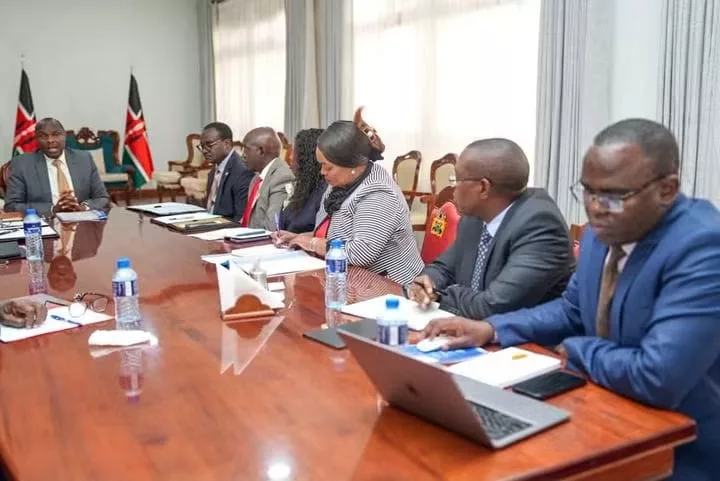 Head of Public Service Felix Koskei chairs a consultative meeting at State House on September 17, 2026/HOPS
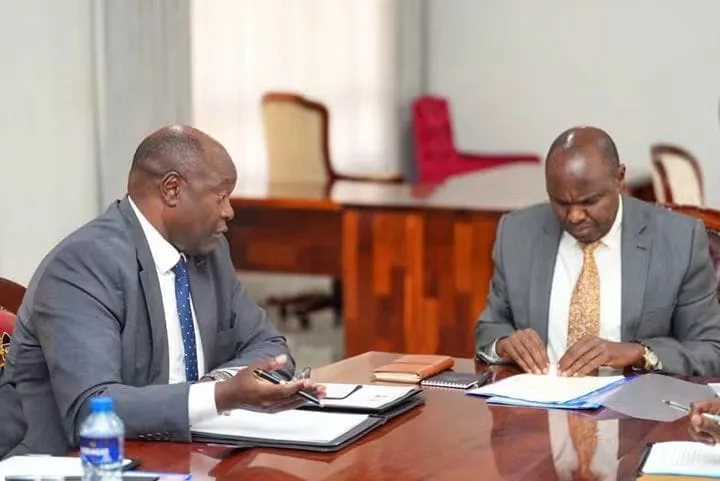 PSC chairperson Francis Meja (left) with Head of Public Service Felix Koskei during the meeting at State House on September 17, 2026/HOPS
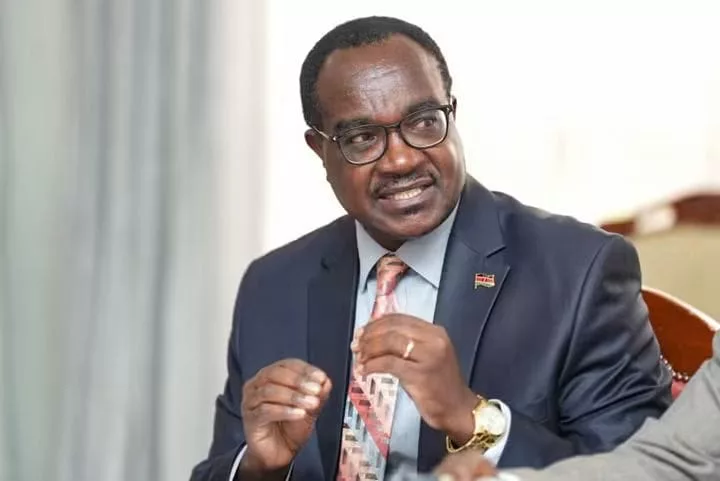 Education Cabinet Secretary Julius Ogamba during the meeting/HOPS
 Head of Public Service Felix Koskei during the meeting at State House on September 17, 2026/HOPS







