Ethiopia welcomed 2019 as millions of people across the country celebrated New Year’s Day under a calendar different from most of the world's.
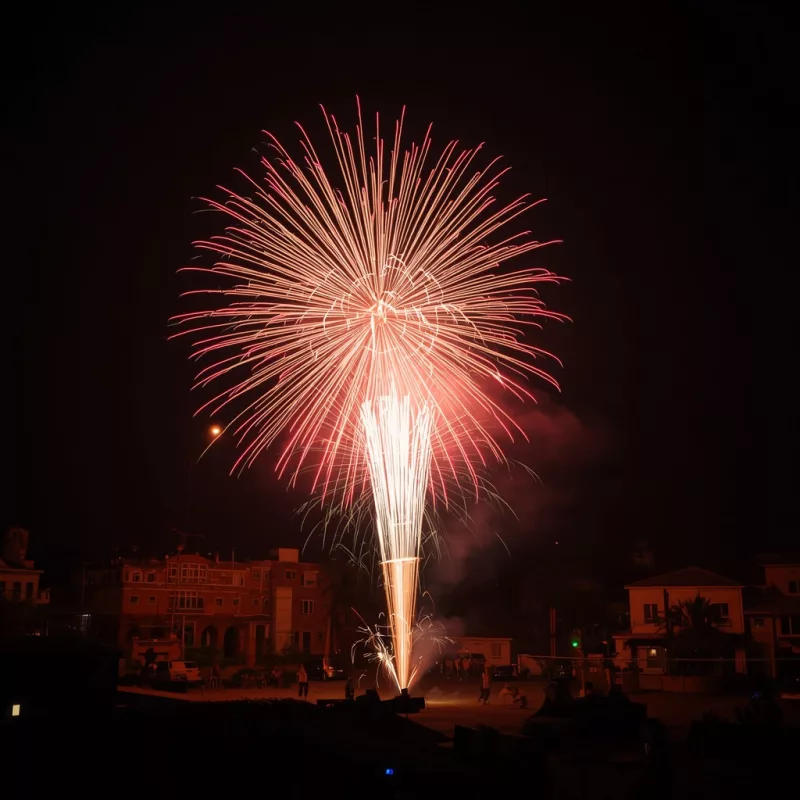
The celebration took place two days ago, with Ethiopians marking the beginning of a new year through traditional festivities, family gatherings, and public celebrations.
While much of the world is currently in 2026, Ethiopia has entered 2019 because the country follows the Ethiopian calendar, which is approximately seven to eight years behind the Gregorian calendar used internationally.
The unique calendar is one of the traditions that continues to set Ethiopia apart from many other countries.
Read Also

A Calendar With 13 Months
One of the most interesting features of the Ethiopian calendarEthiopian calendar is that it has 13 months instead of the usual 12.
The first 12 months have 30 days each, while the 13th month, known as Pagume, has five days in a normal year and six days during a leap year.
Ethiopia’s New Year is known as Enkutatash, meaning “gift of jewels” in Amharic. It is celebrated on September 11, although it falls on September 12 during the year before a Gregorian leap year.
The holiday marks the end of the rainy season and the beginning of a new season, with the countryside often becoming greener and more vibrant around this period.
How Ethiopians Celebrate
Enkutatash is celebrated with different cultural traditions across Ethiopia.
Families come together, people attend church services, and children often dress in traditional clothing while singing and dancing. It is also common for people to exchange greetings and gifts as they welcome the New Year.
Traditional foods are prepared for family gatherings, while music and cultural performances form part of the celebrations.
For many Ethiopians, the New Year is not only about changing the date. It is also a time to reflect on the past year, spend time with loved ones, and look forward to new opportunities.
Why Ethiopia Uses A Different Calendar
The Ethiopian calendar is based on an ancient calendar system linked to the Coptic calendar and follows a different calculation of the birth of Jesus Christ from the Gregorian calendar.
As a result, Ethiopia’s date appears several years behind the rest of the world.
The arrival of 2019 once again highlighted the country’s unique cultural identity and its decision to preserve a calendar that has remained an important part of Ethiopian life for generations.