The government has urged development partners to mobilise resources towards cleaning up the heavily polluted Nairobi River Basin.
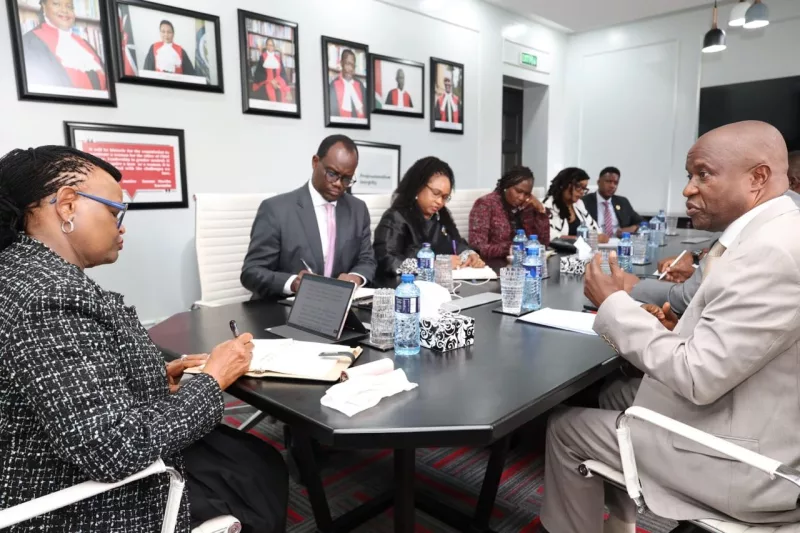
On Tuesday, the Nairobi Rivers Commission, in partnership with UN-Habitat, hosted the High-Level Development Partners and Diplomatic Roundtable on Nairobi Rivers Regeneration at Trademark Hotel, Gigiri.
The meeting brought together government officials, development partners, diplomatic missions, UN agencies, financial institutions and the private sector to strengthen partnerships and mobilise resources towards restoring Nairobi’s rivers.
Lands CS Alice Wahome, her Environment counterpart Deborah Barasa, UN-Habitat representative Susan Nakhumicha, Water PS Julius Korir, director of Waste Management and Pollution Control Molu Wato and Nairobi Rivers Commission officials attended the meeting.
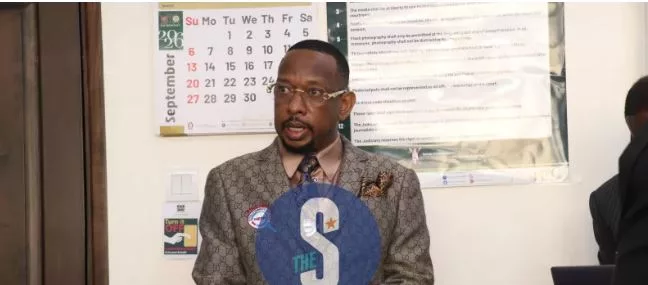
“This is more than an environmental agenda; it is about public health, climate resilience, livelihoods and a better Nairobi. We are calling for strategic partnerships in financing, technology, research, capacity building and innovation to move from plans to bankable projects and measurable results,” Wahome said.
She said Kenya is ready for partnership to restore its rivers and build a resilient capital.
Barasa said Nairobi’s rivers are a lifeline for the city’s residents, environment and the future.
“Today, we took another important step towards restoring them and building a cleaner, healthier Nairobi,” she said.
“The message was clear: Nairobi’s rivers require all of us. Our rivers should never be places where waste is dumped.”
She said the rivers should be clean, safe and vibrant spaces that support communities, protect biodiversity, and improve the quality of life for millions.
“As a ministry, we are strengthening partnerships, improving waste management, protecting riparian areas and supporting practical solutions to restore our rivers and surrounding ecosystems,” Barasa said.
She said the initiative aims to restore dignity, protect public health, create green spaces, and secure a better future for generations to come.
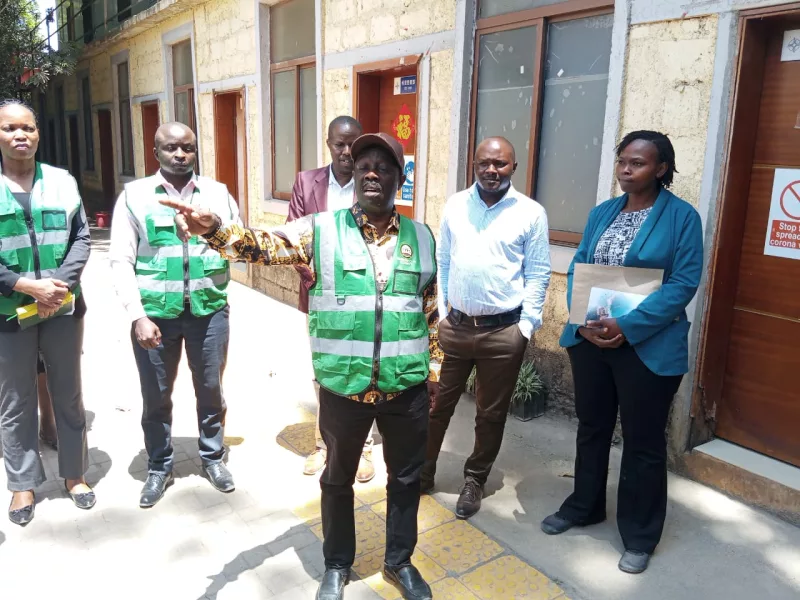
Nairobi Rivers Commission chief executive officer Joseph Muracia said the discussions focused on an integrated approach to river regeneration—linking environmental restoration, sanitation, climate resilience, flood management, urban renewal, livelihoods and community participation.
“The roundtable also highlighted the need for climate finance, technical expertise, innovation, and strategic investment to scale up the programme and deliver lasting impact for Nairobi and its communities,” he said.
Muracia said the engagement moved from dialogue to partnerships, investment and implementation.
He said development partners, the private sector and the diplomatic community were briefed on the progress of the project.
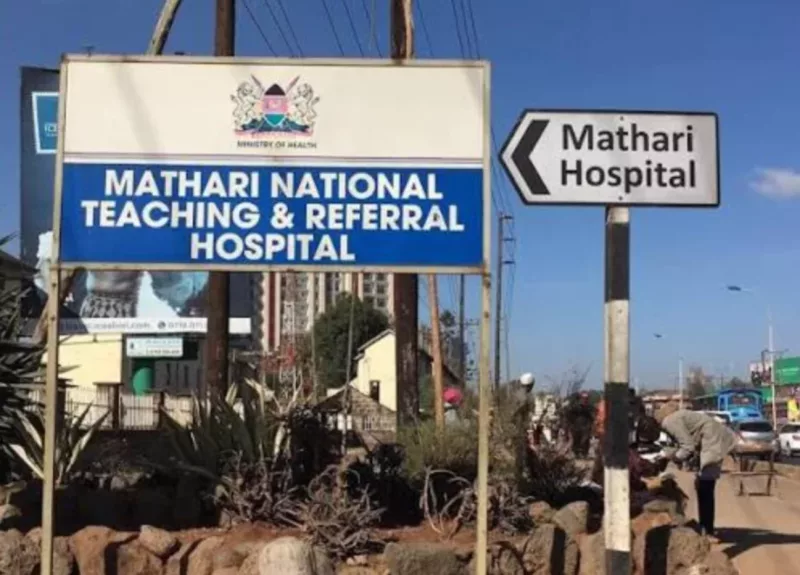
The commission also sought financial and technical support for the regeneration of the Ngong and Mathare rivers.
Partners will follow up with the commission individually to agree on specific areas of interest.
The World Resources Institute (WRI) indicated its intention to support the development of a master plan, while UN-Habitat announced it would mobilise green finance for nature-based solutions and green infrastructure.
The Kenya Permanent Mission to UN-Habitat pledged to partner with the commission to advance river restoration, while the Ministry of Environment committed to sustained catchment restoration. The ministry also requested the Lands CS to second technical officers to the commission.
Kenya Green Building Society chief executive officer Nasra Nanda pledged support for a flagship community-oriented project and capacity-building initiatives, while the Kenya Association of Manufacturers (KAM) committed to supporting programmes that uplift communities.
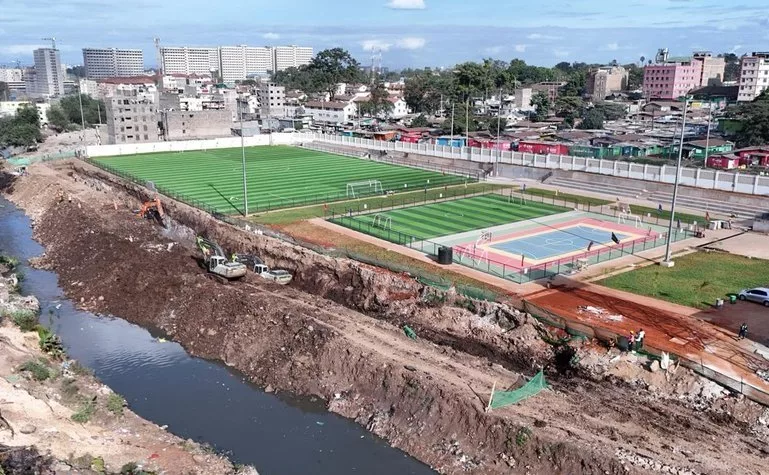
The Nairobi Rivers Regeneration Programme is a government flagship initiative aimed at restoring the ecological integrity, economic value, and social significance of the Nairobi River Basin through an integrated catchment-to-basin approach.
The project, launched by President William Ruto on March 10, 2025, is expected to cost Sh50 billion.
It aims to create 40,000 jobs—up from the current 22,000 under the Climate Works Mtaani Initiative—alongside constructing a 60km sewer line and 50,000 affordable houses in reclaimed areas.
However, Nairobi Governor Johnson Sakaja told the Senate Lands Committee last year that Sh180 billion is required to fully regenerate Nairobi’s heavily populated waterways, including the Nairobi, Mathare, and Ngong rivers, estimating a cost of Sh60 billion per river.
The programme operates on the premise that healthy, resilient and ecologically functional river systems are essential to sustainable development, underpinning water security, biodiversity, climate resilience, public health, livelihoods, and inclusive economic growth.
It brings together national and county governments, public institutions, communities, academia, development partners and the private sector in a coordinated effort to restore river systems while addressing underlying drivers of environmental degradation.
The initial 27-kilometre catalytic corridor is currently estimated at 60 to 70 per cent completion. It has demonstrated the value of coordinated investment across river restoration, sewerage and sanitation infrastructure, solid waste management, flood risk reduction, ecological rehabilitation, public realm improvements and community-based initiatives.
The lessons emerging from this catalytic phase provide a foundation for scaling up implementation across the wider Nairobi Metropolitan Region.
The mandate of the Nairobi Rivers Commission extends across Nairobi, Kiambu, Machakos, Kajiado, and Makueni counties, reflecting the principle that sustainable river regeneration requires coordinated management of entire river systems—from upstream forests, wetlands, and tributaries to downstream ecosystems within the Athi River Basin.
As the programme enters its next phase, the government aims to strengthen strategic partnerships to accelerate implementation, promote innovation, and mobilise sustainable investment.