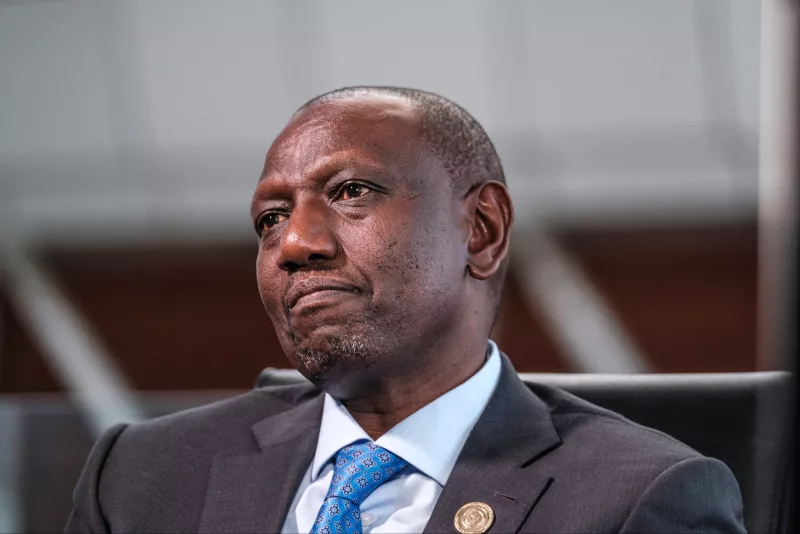
The word ‘xenophobia’ has trended online across Kenya following a government directive targeting foreign small-scale traders. President William Ruto ordered authorities on 2 September to shut down small businesses and hawking operations run by foreign nationals.
The government argued that informal retail and unskilled jobs should be strictly reserved for Kenyan citizens.
The order triggered widespread panic, reports of targeted harassment, and intense public debate across the nation. Hundreds of foreign traders—particularly Burundian, Ugandan, and Rwandan nationals—scrambled to their embassies and bus stations out of fear of immediate arrest.
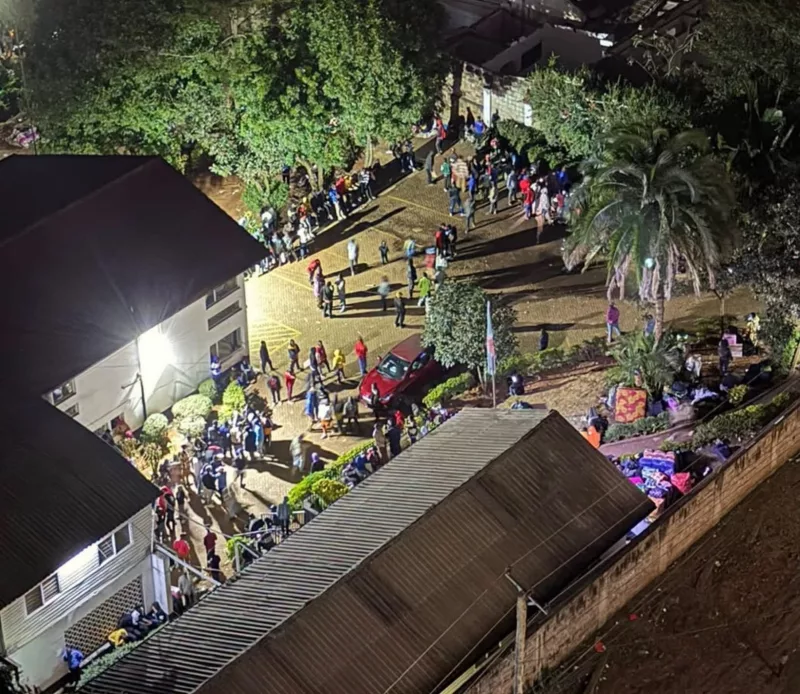
On Monday, long queues formed outside the Burundian embassy in Nairobi as young men clutched suitcases and personal possessions. According to the U.N. refugee agency, Kenya hosts approximately 16,000 Burundian refugees and asylum seekers, many of whom sell coffee and used clothes in Nairobi.
Refugees expressed fear and confusion while awaiting travel documentation. Eighteen-year-old Munezero Farnke said: “They should give us at least a week to plan and go back to Burundi or help us cross the border.”
He added: “I have lived here for three years without even an ID and I was planning to go back next year.”
Sixty-two-year-old Peter Nakumujango stated: “There are so many people who have come here and we don't know when we will get any help. I am not going home by choice. I have been forced to go”.
Rights Bodies Warn Government as Amnesty Offered
The Kenya National Commission on Human Rights (KNCHR) warned the government against unlawful enforcement. The commission noted that: “Given Kenya's role as a host to migrants and refugees from diverse backgrounds, all migration-related measures and enforcement interventions must be implemented lawfully, fairly, consistently and without discrimination on the basis of nationality.”
In response to the growing backlash, the government offered a temporary amnesty and registration window for undocumented East African Community (EAC) citizens.
A government spokesperson stated: “For the duration of this designated registration period, all individuals undergoing registration will be presumed legally present in the Republic of Kenya. This window is designed to bring our brothers and sisters out of the shadows, ensuring they can access health, banking, and legal protections without fear.”
Kenyans Divided on Social Media
Social media platforms saw intense debate as users shared conflicting perspectives.
Prominent figures and organisations rejected xenophobic sentiments. Senior Counsel Ahmednasir Abdullahi (@ahmednasirlaw) posted: “Burundians are good workers...stop this xenophobia!”
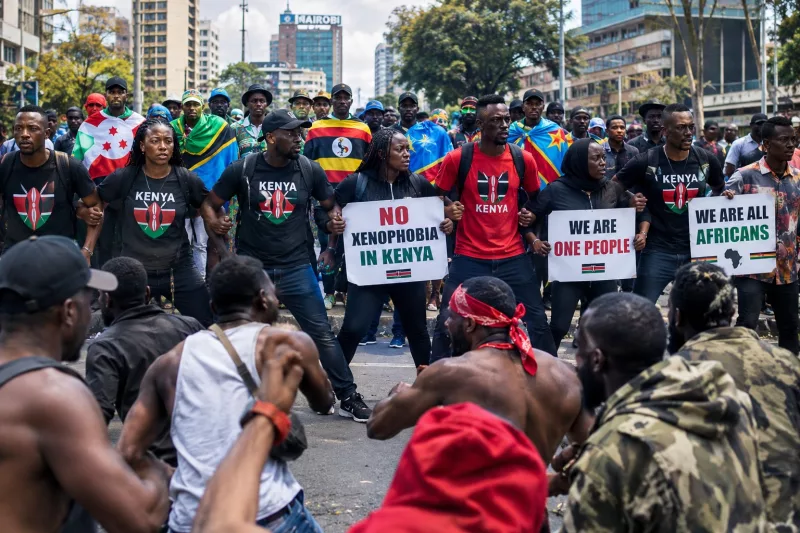
The Kenya Engineering Fraternity (@KenyaFraternity) wrote: “We reject xenophobia and Afrophobic tendencies in Kenya.”
User James (@J_N_M_G) remarked: “Very good hands at work. Chasing a diligent neighbor’s child doesn't make an indifferent son shine.”
User @Foreverjim254 noted: “It’s so unfortunate that it's going this low. And worse of it liketargeting only one nation.”
Others insisted that immigration rules must be respected. User Antony (@Antonios_X6) replied: “Good workers? So are undocumented Somalis in Eastleigh. But hard work doesn't substitute for immigration papers. Laws in Kenya apply to everyone otherwise, what exactly are we defending?”
User Dommie Alvin (@Dommie_Alvin) commented: “It's not xenophobia, they ought have proper documentation to be in the system otherwise if they commit a crime how do go after them.”
Meanwhile, Kenya Data Index (@KenyaDataIndex) observed: “I have realized that Burundis are darlings to employers and an enemy to employees.”
User Sox (@Keeptum1) asked: “Are we talking of Burundis alone or illegal immigrants in Kenya? I have a number of Indians who should pack and go too.”
User Kelven Baikiao (@kelven_baikiao) asked: “Can our court stop it?”