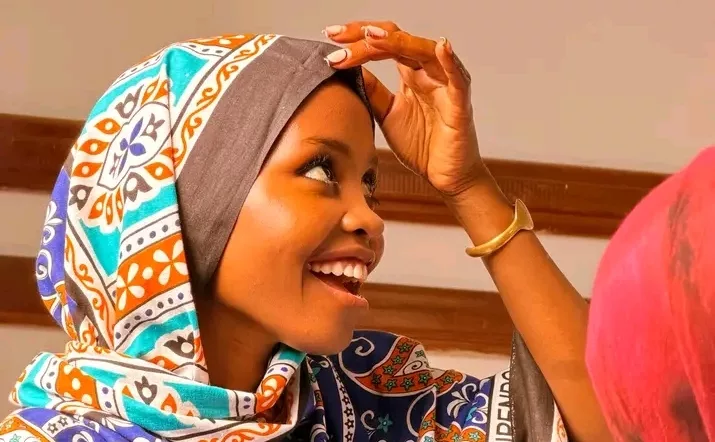
Digital creator Imo has sparked a heated online debate after calling for society to become more critical of men’s bodies, arguing that men should face more of the body-shaming pressure that women have endured for years.
In a candid rant, the content creator questioned why some men who are visibly overweight still feel entitled to comment on women’s bodies, fitness and appearance.
‘As a Man, Why Are You Fat?’
I’mo did not hold back as she listed some of the physical and biological challenges women experience, including menstruation, pregnancy and conditions such as PCOS.
Read Also
“As a man, why are you fat? You don’t go through menstruation, you don’t give birth, you don’t have PCOS,” she said.
She went on to argue that some men should focus more on their own physical appearance before offering unsolicited opinions about how women should look.
According to Imo, the issue becomes particularly frustrating when men who are out of shape lecture women about weight, fitness or body standards.
‘We Need To Body-Shame Men More’
The digital creator then made a controversial call for society to reverse the pressure traditionally placed on women.
“I feel like as a society we need to body-shame men more because some of their bodies look bad in clothes. I wonder what they look like naked,” she remarked.
Her comments quickly raised eyebrows, with some social media users agreeing that men should also be held accountable when they make hurtful comments about women’s bodies.
Others, however, questioned whether body-shaming should be encouraged at all, regardless of gender.
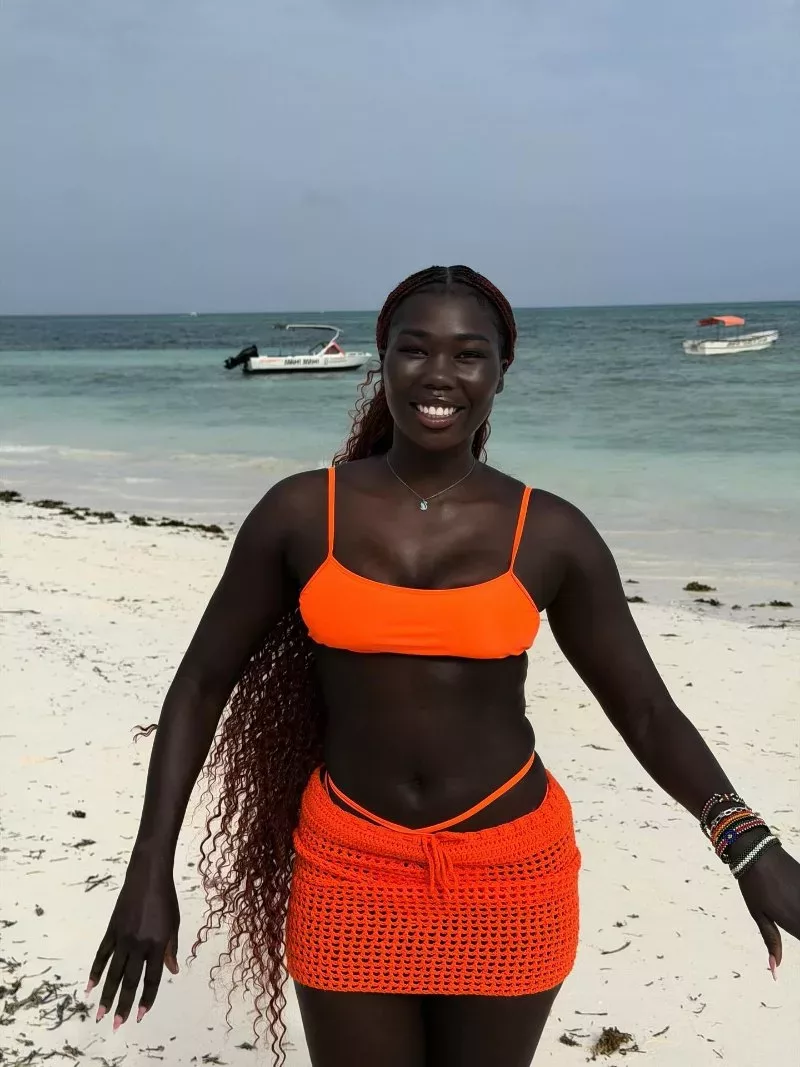
A Debate Beyond Weight
Imo further mocked the appearance of some men, saying they could be “shaped like a deodorant turned upside down” yet still have strong opinions about women’s bodies.
“You are shaped like a deodorant turned upside down, and you have an opinion, really? Hit the gym or do something,” she added.
Her remarks have reignited a broader conversation about double standards surrounding appearance and whether calling out body-shaming with more body-shaming actually solves the problem.
While some applauded her for challenging men who criticise women’s bodies, others argued that the better solution is to discourage body-shaming altogether rather than make it acceptable when directed at men.
The debate continues to highlight how complicated conversations around weight, beauty standards, and unsolicited opinions can become online.