 Garissa
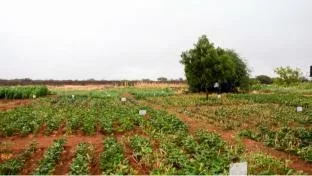
Governor Nathif Jama speaking /STEPHEN ASTARIKO
Different stakeholders in Garissa have started preparations in earnest for the anticipated El Niño rains, with the county expected to receive above-average rainfall from the first week of October.
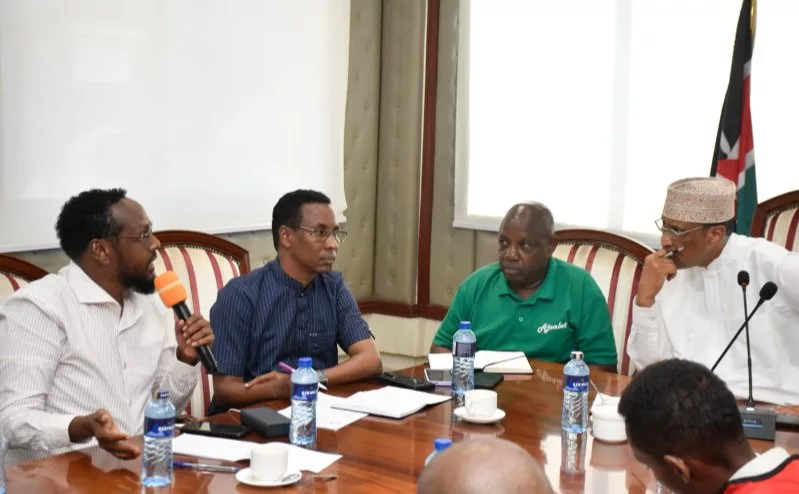
Garissa Governor Nathif Jama at the weekend chaired a high-level preparedness meeting at his office that brought together officials from the county and national governments, the Kenya Meteorological Department, the National Drought Management Authority, the Kenya Red Cross Society and other partners.
The meeting marked the beginning of a coordinated preparedness process aimed at mitigating the effects of heavy rains, flash floods and possible flooding along the Tana River.
Governor Jama said the county could not afford to wait until the rains begin before taking action, noting that a multi-agency committee had been established to spearhead preparedness measures.
“We have said we must plan and prepare seriously for this situation. Today, we have held our first meeting to discuss the matter in detail, and we are now on course for full preparedness,” the governor added.
The county's immediate priority would be to intensify public awareness, particularly among residents living in riverine and other flood-prone areas.
Residents along the river have also been advised to move to safer grounds and remain alert.
Jama further warned that increased rainfall in the Tana River catchment could trigger flooding downstream, making early preparedness critical.
The governor said stakeholders would meet in Dadaab next week to further strengthen the preparedness plan, followed by weekly meetings to assess the evolving situation and identify areas requiring intervention.
Garissa deputy county commissioner Sebastian Okiring said the county was already mapping out hotspots and evacuation centres while mobilising resources to respond to possible emergencies.
He said the impact of the rains could be compounded by increased water levels in hydroelectric dams upstream, potentially resulting in water releases that could affect downstream communities in Garissa.
“From Monday, we will have a four-day participatory scenario planning meeting, where we will bring on board key players, partners and stakeholders. We will map out the resources we currently have and identify additional resources that may be required,” Okiringsaid.
NDMA Garissa coordinator Abdinoor Dubow said the County Disaster Preparedness and Response Committee had already developed a preparedness plan, identified flood hotspots and mapped evacuation centres.
He said the technical committee would meet weekly to review interventions against the latest meteorological information and adjust its response accordingly.
“We aim to ensure that we do not lose lives or livelihoods,” Dubow said.
KMD's Garissa representative Mwambao Tuva said the weather outlook would be refined through the participatory scenario planning process beginning Monday, after which an updated forecast would be issued.
He said the department would continue providing regular seven-day, five-day and monthly forecasts to ensure communities and stakeholders received timely information as weather conditions evolved.
Kenya Red Cross Garissa coordinator Daud Ahmed said the organisation had already enhanced the capacity of first-line responders and positioned emergency supplies and equipment for possible flooding.
He said boats would be available to evacuate people who could become stranded, while food, water, sanitation and hygiene, as well as supplies, medical items, nutritional supplements and other non-food items, had been prepared.
The Red Cross has also placed response teams and vehicles on standby, particularly to support communities living along the riverine areas.
Ahmed said the organisation would work with government agencies and local structures to ensure early-warning messages reached communities, including through radio programmes, community barazas and Red Cross volunteers.
The stakeholders said the weekly coordination meetings and continuous dissemination of weather information would be critical in ensuring Garissa was adequately prepared before the onset of the expected heavy rains.
According to the meteorological department, Garissa is among the counties that are expected to receive above-average rainfall starting the first week of October.
Among the areas that will be worst hit are Dadaab, Fafi, Holugho, Ijara, Liboi, Bura East and Garissa Township.
In the Northeast, the meteorological outlook has identified risks including flash and riverine flooding, loss of human and livestock lives, displacement of communities and destruction of roads and bridges.
Others include damage to homes and other infrastructure, waterborne and vector-borne diseases, damage to crops and livestock, disruption of transport and trade and possible disruption of schools and national examinations.
Last week, the government said it has activated a national contingency and preparedness approach involving national government agencies, county governments, security agencies, humanitarian organisations and other disaster-management stakeholders.
 Garissa
Governor Nathif Jama chairing the meeting/STEPHEN ASTARIKO
 Garissa
Deputy County Commissioner Sebastian Okiring/STEPHEN ASTARIKO
 Kenya
Red Cross Garissa Coordinator Daud Ahmed /STEPHEN ASTARIKO