
The ongoing nationwide nurses’ strike has escalated into a human rights and public health crisis, the Kenya National Commission on Human Rights (KNCHR) has warned, stressing that continued disruption of healthcare services is putting patients’ lives and dignity at risk.
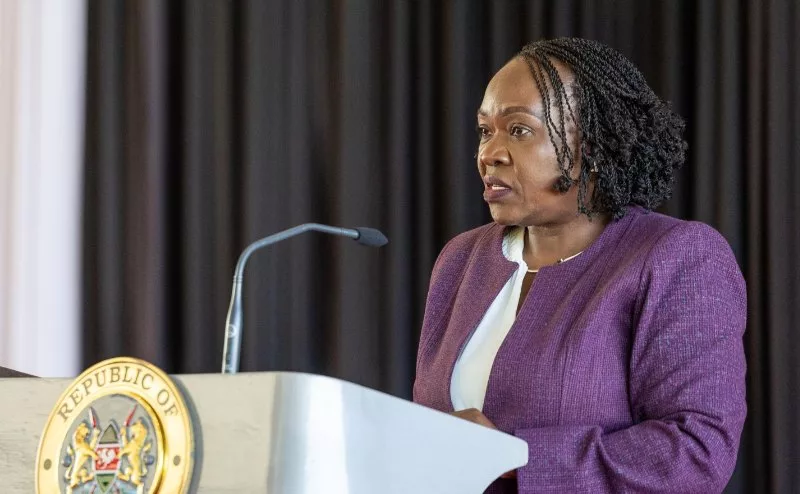
KNCHR Chairperson Claris Ogangah, in a statement, said the prolonged labour dispute could no longer be treated solely as an employment disagreement.
She urged the National and County Governments to urgently intervene and restore essential health services.
“The disruption threatens the rights of patients to life, the highest attainable standard of health, emergency medical treatment and dignity,” Ogangah said in a statement issued on Friday.
The Commission said it was particularly concerned about reports of deaths recorded during the strike, including maternal, neonatal and perinatal cases.
It called for the figures and circumstances surrounding them to be independently verified.
Ogangah urged the Kenya Medical Practitioners and Dentists Council, working with the Ministry of Health and county health authorities, to establish whether mortality during the strike has exceeded levels recorded during comparable periods.
Such an assessment, she said, was necessary to establish the circumstances and causes of the reported deaths, while stressing that urgent measures were required to prevent further loss of life.
Ogangah added that the constitution guarantees every person the right to the highest attainable standard of health and protects access to emergency medical treatment.
“The continued disruption of health services exposes patients to preventable suffering, indignity and loss of life, and undermines the realisation of Universal Health Coverage,” she stated.
KNCHR stressed that the impact of the strike was particularly severe for expectant and new mothers, newborns, children, older persons, people with disabilities, patients with chronic illnesses and other vulnerable groups.
It called for continuity of essential services including maternity, neonatal, emergency, intensive care, dialysis, oncology, trauma, ambulance and referral services.
At the same time, Ogangah acknowledged the rights of nurses and other health workers, including fair labour practices, fair remuneration, safe working conditions, collective bargaining and lawful industrial action.
“Nurses are the backbone of healthcare delivery and must be accorded working conditions and compensation commensurate with the vital and often high-risk services they provide,” she said.
The Commission called on the National and County Governments to honour collective bargaining agreements with health workers, including the 2017 Collective Bargaining Agreement, saying the continued disconnect between the two levels of government and State agencies was unacceptable.
KNCHR also raised concern over reported threats, intimidation and attacks against nurses taking part in peaceful demonstrations and presenting petitions.
It urged the Ministry of Labour and Social Protection, Ministry of Health and Council of Governors to facilitate structured and good-faith negotiations aimed at reaching a time-bound settlement.
The Commission further called upon an immediate return-to-work framework that would guarantee essential services while negotiations over the underlying grievances continue.
It asked the Social Health Authority (SHA) to ensure patients forced to seek treatment outside public facilities can access alternative accredited facilities without prohibitive out-of-pocket costs.
Ogangah also appealed to the National Treasury to ensure counties receive adequate and predictable funding to prevent disruption of devolved health services.
“The rights and dignity of nurses must be respected; equally, the rights and dignity of patients must be protected,” Ogangah said.
“Kenya must not be forced to choose between the two.”
KNCHR said it would continue monitoring the human-rights impact of the strike, including delays in emergency treatment, disruption of maternity and neonatal care and access to specialised services.







