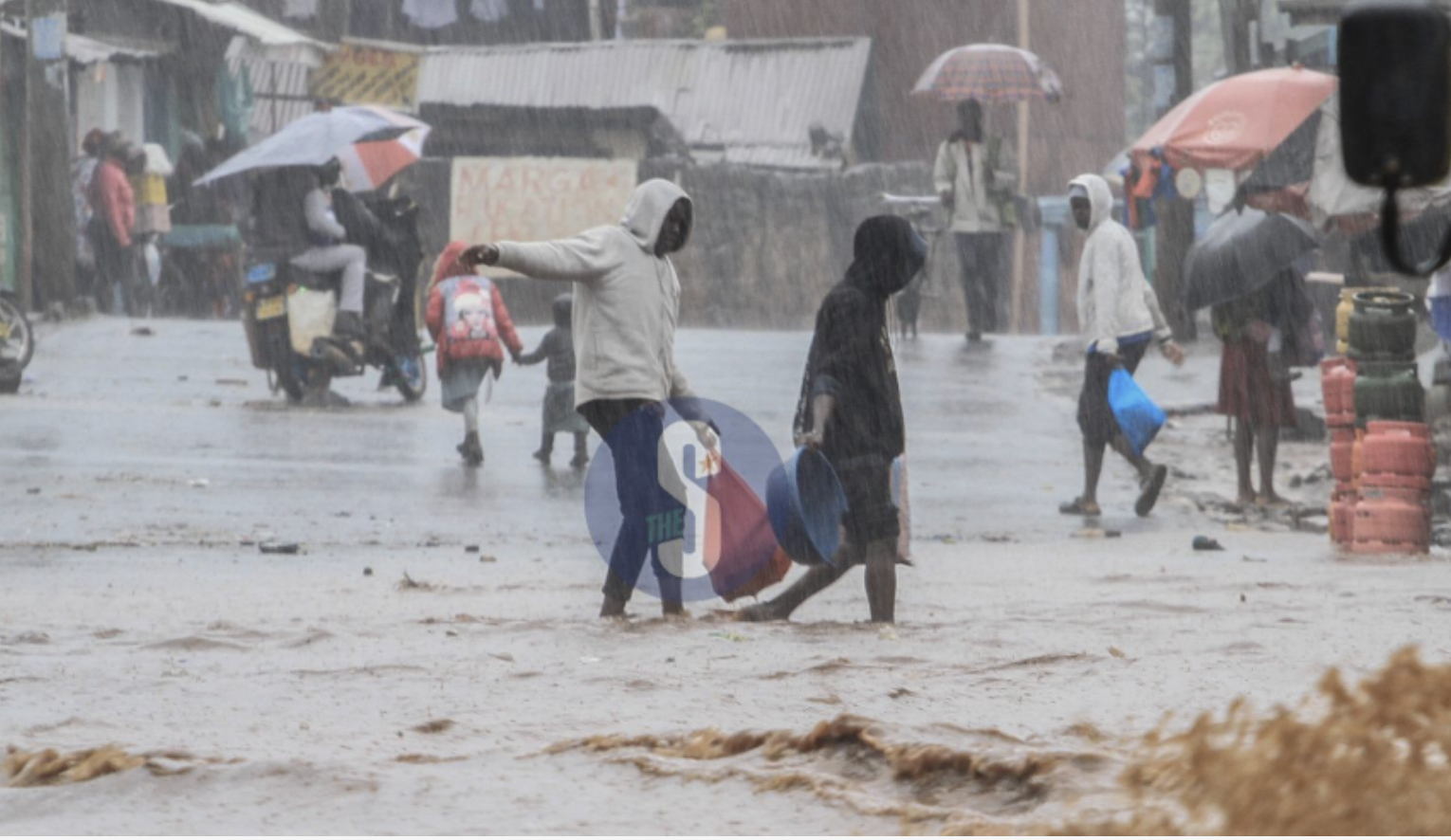
 Residents wade through water during past heavy rains./FILE
Kenya is bracing for a wetter-than-normal October-December rainfall season, with above-average rains forecast across 80 per cent of the country.
The Kenya Meteorological Service Authority (KMSA) said the enhanced rainfall will be accompanied by prolonged wet spells and occasional isolated storms in several parts of the country.
Announcing the October-November-December (OND) 2026 climate outlook in Nairobi, KMSA Director Edward Muriuki said the rains are expected to begin in the second and third weeks of October in most parts of the country.
“Expect enhanced rainfall in most parts of Kenya during the October to December 2026 short rains season,” Muriuki said.
He said rainfall will continue in western parts of the country, while the onset and cessation of the rains will vary from one region to another.
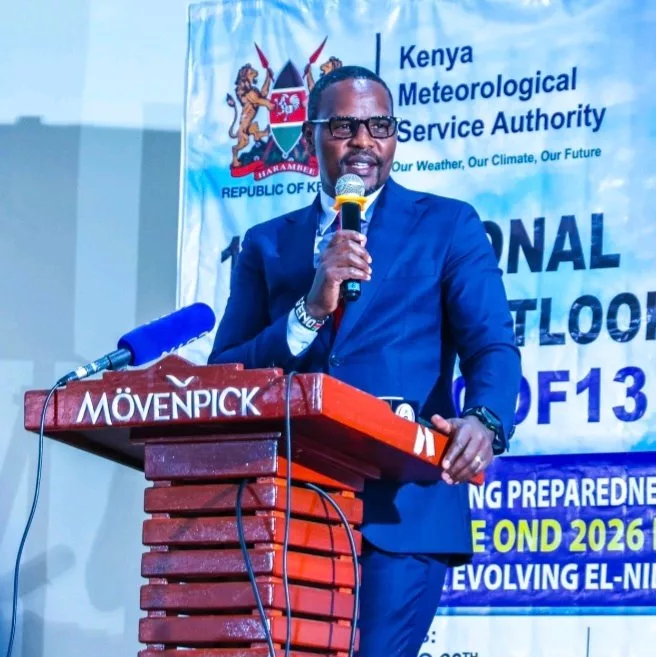 National Climate Outlook Forum (NCOF13) in Nairobi. Principal Secretary, State Department for Environment and Climate Change, Dr Festus Ng’eno speaking during the closing of the 13./KNA
The forecast points to above-average rainfall in counties including Nairobi, Mombasa, Kilifi, Nakuru, Kiambu, Machakos, Makueni, Garissa, Mandera, Wajir, Kisumu, Kakamega, Kisii, Nyeri and Nyandarua.
Near-average to above-average rainfall is expected in Turkana and parts of West Pokot, Samburu and Marsabit.
However, rainfall distribution in Turkana and Samburu is expected to range from poor to average.
The wetter season is also expected to come with warmer-than-average temperatures, particularly along the Coast.
Higher probabilities of above-average temperatures have been forecast in Kwale, Mombasa, Kilifi, Lamu and parts of Tana River, Taita/Taveta and Garissa counties.
Principal Secretary for Environment and Climate Change Festus Ng’eno urged Kenyans and institutions to use the forecast to prepare early and turn climate information into practical action.
“We must move from climate information to early action,” Ng’eno said.
He said favourable rainfall could boost agricultural production, improve water availability, regenerate pasture and recharge water resources.
Ng’eno, however, warned against waiting for extreme weather events to occur before taking action, saying lessons from previous events, including El Niño, showed that early preparedness was more effective and less costly.
He called for climate information to be tailored to the needs of different sectors.
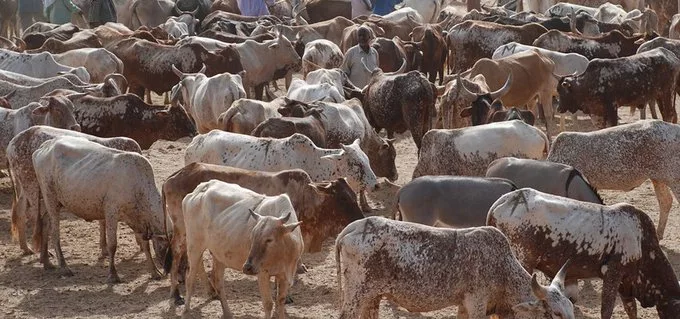
Farmers, he said, need timely forecasts to guide planting, crop management and harvesting, while pastoralists require information to make decisions on water, pasture and livestock.
Fishing communities also need timely weather and lake-condition updates, while urban areas must strengthen preparations for flooding, drainage challenges and other weather-related risks.
Muriuki said the success of the OND forecast would depend not only on its accuracy but also on how effectively it guides decisions before impacts occur.
“Climate information must be understandable, relevant and actionable,” he said.
He also cautioned that El Niño does not automatically mean heavy rainfall everywhere, noting that other atmospheric and oceanic factors would continue to be monitored.
The forecast was released during the 13th National Climate Outlook Forum, which brought together scientists, policymakers, development partners, private-sector representatives and county governments to discuss preparedness ahead of the short rains.