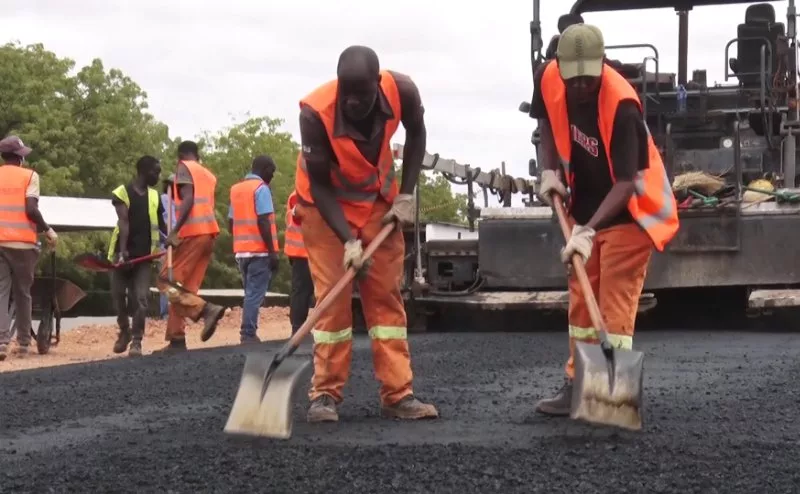
Workers busy tarmacking the road near the Garissa- Tana bridge./STEPHEN ASTARIKO
Heavy rains have for years disrupted movement along the Garissa-Madogo corridor, cutting off communities and leaving motorists and transporters counting losses.
However, the new Garissa-Tana River Bridge and the upgrading of the Garissa-Madogo road have renewed the confidence of both residents and motorists ahead of the October rains.
The road is a critical link for motorists
travelling between Garissa and the Coast, carrying commercial vehicles, public
transport, private motorists and boda bodas every day.
In the past, the corridor has caused misery for both pedestrians and motorists, particularly when the Tana River and surrounding waterways swell during heavy rains.
One of the most notable incidents occurred in April 2024, when 15 people died.
Residents say the new bridge and upgraded road could transform transport and trade between North Eastern and the rest of the country.
Tales of lengthy disruptions whenever floodwaters render sections of the road impassable could become a thing of the past.
The new infrastructure will address some of the challenges that have characterised the route.
Madogo resident Ibrahim Mohamed said
the improved infrastructure will make travel safer and more reliable while
strengthening the region’s economic links with the rest of the country.
“Residents from both Garissa and Madogo have suffered in the past. Traders and transporters have also suffered losses whenever floods disrupted the movement of food, livestock, manufactured goods and other commodities between the region and major markets elsewhere in the country,” Mohamed said.
“With a more resilient road and bridge infrastructure, I expect the movement of goods to become faster and more predictable, reducing delays and the additional costs associated with prolonged journeys,” he said.
Long-distance driver Erick Ouma, who has experienced disruptions along the route, said he was encouraged by the progress on the road.
He recalled an incident in 2024 when floods rendered the road impassable, forcing him to abandon his journey and return to Mombasa with his goods.
Such experiences came at a huge cost
to transporters, traders and passengers, he said, as they were forced to spend
more money and time waiting for roads to reopen.
“Right now, we have no stress at all. Even if El Niño comes, we will have no worries because we have been sorted as far as the road is concerned,” Ouma said.
He said raising sections of the road and installing drainage structures, including culverts will allow floodwaters to pass without destroying the road or cutting off transport.
He said the road now gives motorists greater confidence that they can travel between Mombasa, Garissa and other parts of North Eastern without being held hostage by the weather.
The project is also expected to boost trade, given Garissa’s role as a major commercial hub and gateway to the wider North Eastern region.
Boda boda rider Wambua Musyoka said the construction works had brought temporary challenges, including dust affecting motorists and residents, but the long-term benefits outweighed the inconveniences.
Musyoka said the improved road had already reduced some of the stress associated with travelling during the rainy season and would make it easier for his customers to reach their destinations.
“Construction has come with some challenges but the benefits in the long run outweigh the disadvantages. The distance has been shortened and the stress that comes with floods has been eliminated,” he said.
He said the bridge will ease traffic congestion along the busy corridor, particularly during periods when motorists previously had limited crossing options.
“With two bridges now in place, traffic will be eased. Most importantly, our customers will enjoy a smoother and safer ride to their destinations,” Musyoka said.
The new bridge, described as a gateway to the North Eastern region, is replacing the old structure commissioned in 1980.
The approximately 150-metre bridge is valued at Sh1.77 billion and is designed to ease congestion and accommodate the growing volume of traffic into and out of the region.
The Kenya National Highways Authority says the old bridge had developed serious problems, including significant vibrations when heavy commercial vehicles cross it, raising concerns about its structural integrity.
President William Ruto, who launched construction on February 6, 2025, during his tour of Northern Kenya, is expected to officially open the new bridge once it is complete.
Engineers have projected a lifespan of 100 years for the new structure. Once completed, the new bridge will be dedicated to vehicular traffic, while the existing 43-year-old bridge will be retained for light use, including pedestrians, boda boda riders and livestock.
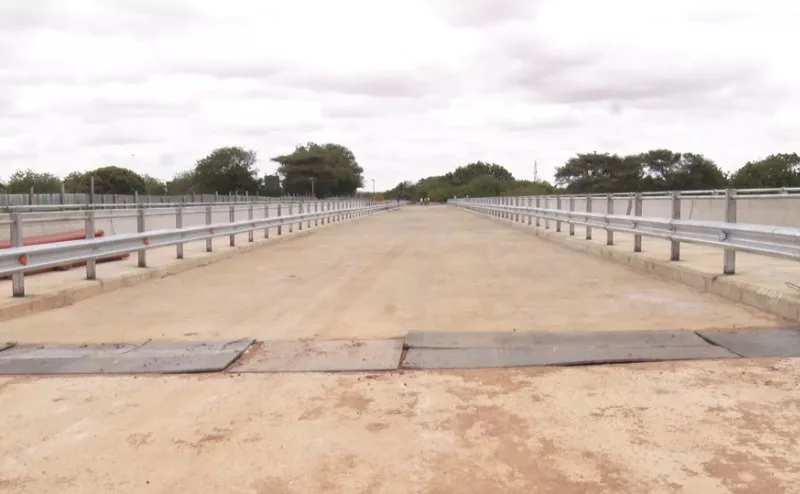
The newly constructed Garissa-Tana bridge./STEPHEN ASTARIKO
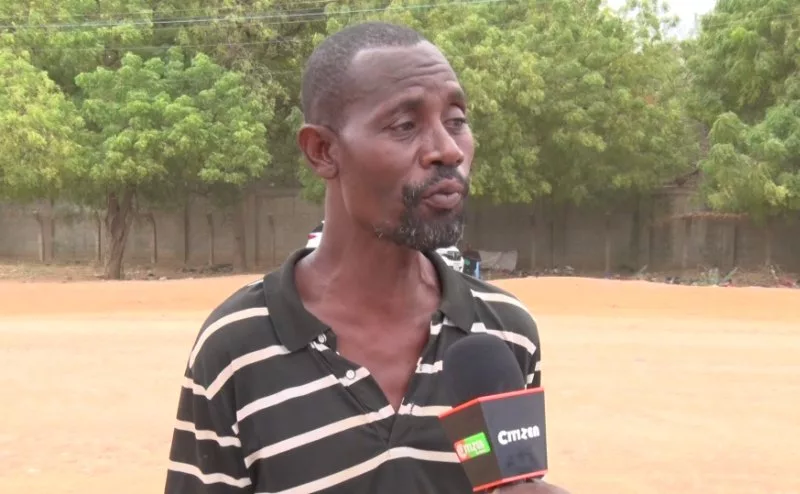
Ibrahim Abakora, a resident of Madogo speaking to the press. /STEPHEN ASTARIKO
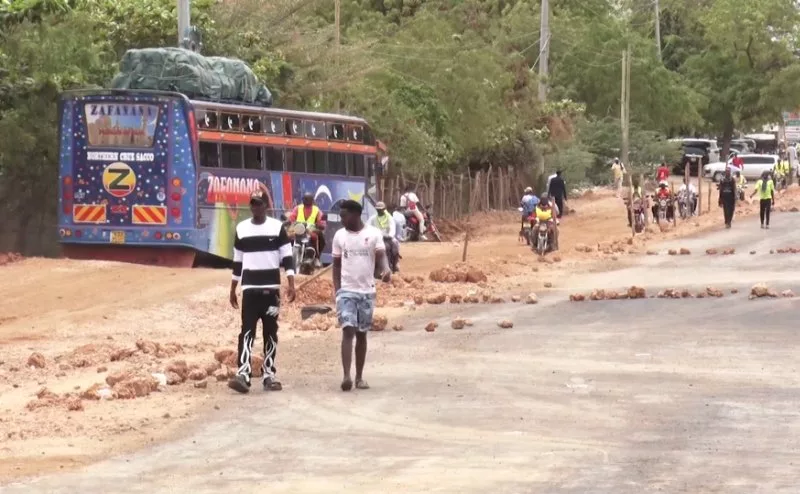
Motorists and pedestrians along the Garissa-Madogo road. /STEPHEN ASTARIKO
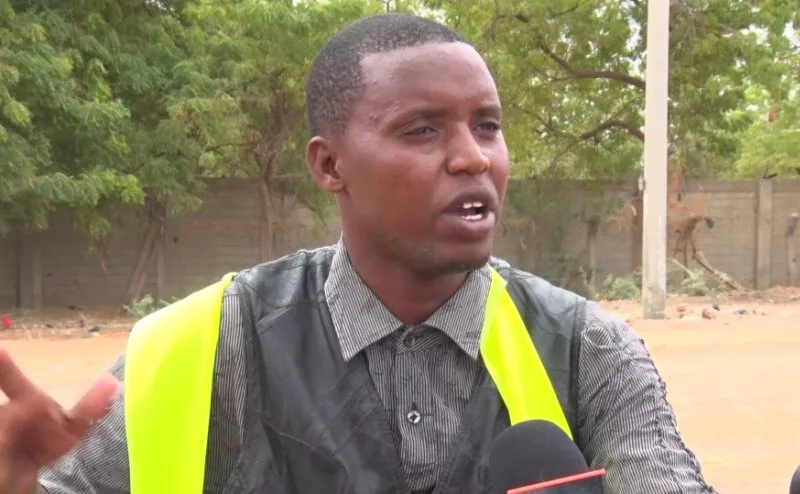
Joseph Mutuko, a bodaboda rider speaking to the press. He ferries customers between Garissa and Madogo. /STEPHEN ASTARIKO
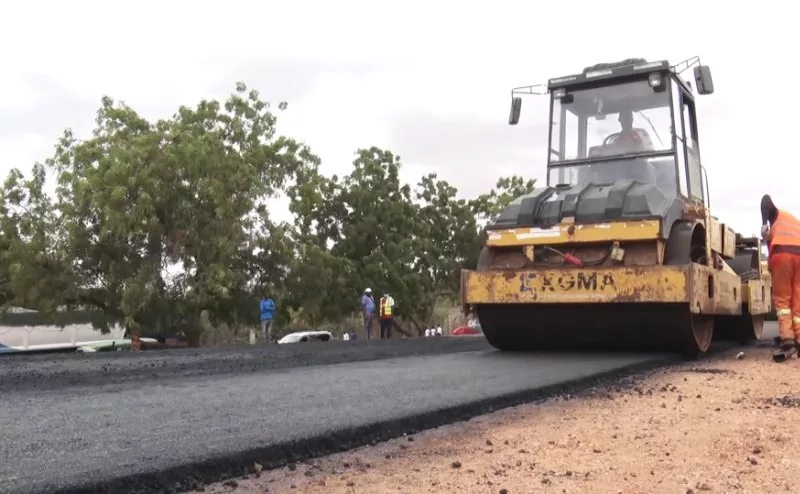
Tarmacking in progress at the Garissa–Tana River Bridge. /STEPHEN ASTARIKO
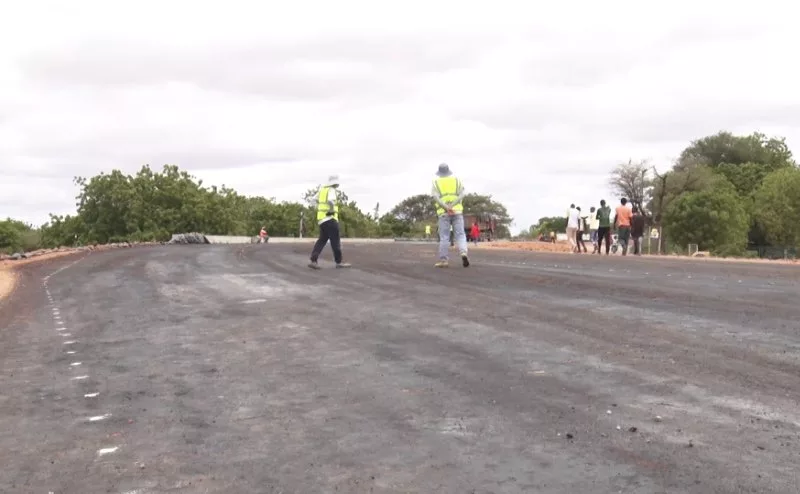
Tarmacking in progress along the Garissa–Madogo road. /STEPHEN ASTARIKO