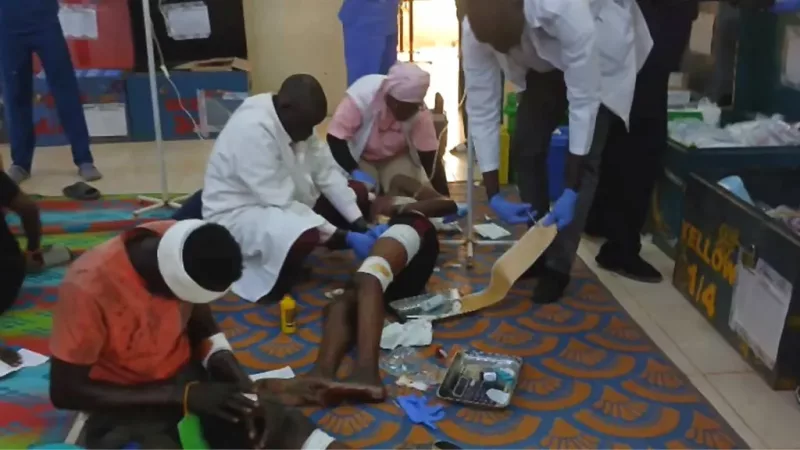
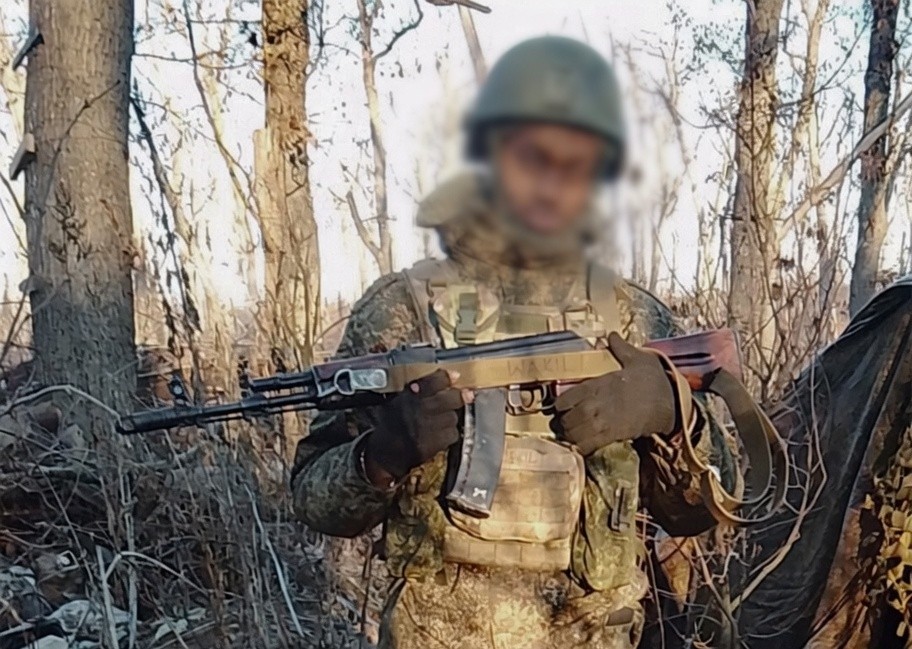
 A Kenyan killed fighting for Russia in Kharkiv region of Ukraine/HANDOUT
Kenya has stepped up efforts to stop its citizens from being recruited to fight for Russia in the war against Ukraine, with the government tightening oversight of recruitment agencies, pursuing international legal protections and warning Kenyans against fraudulent overseas job offers.
As of May 7, 2026, the Ministry of Foreign Affairs had placed the number of Kenyans recruited to fight in the Russia-Ukraine war at 291, with 53 already repatriated.
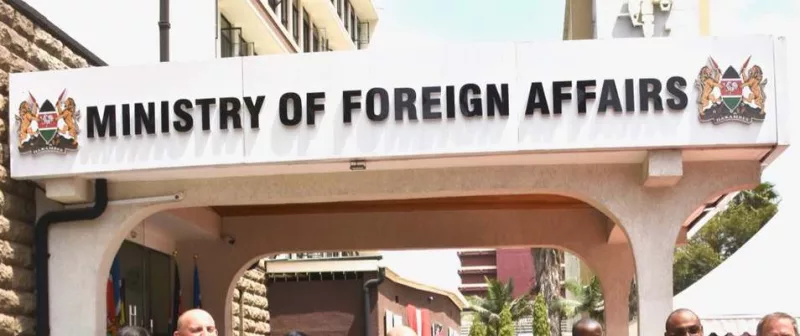
Prime Cabinet Secretary Musalia Mudavadi, who also serves as Foreign Affairs Cabinet Secretary, gave the figures following his March 15-18 visit to Moscow, where he held talks with Russian Foreign Minister Sergey Lavrov.
Among the agreements reached during the visit was the placement of Kenya on a Russian military recruitment stop list, meaning Kenyan citizens would no longer be recruited into the Russian military.
The two sides also agreed on measures to facilitate the withdrawal of Kenyans already involved in the conflict and unwilling to continue fighting.
“Russia agreed to disengage Kenyans who are currently in the operations and unwilling to continue in the assignment and to expedite applicable compensation processes through appropriate diplomatic channels,” Mudavadi said.
The government has since outlined a raft of measures aimed at preventing further recruitment and dismantling networks that lure Kenyans into the conflict through promises of lucrative employment.
One of the measures is seeking Cabinet approval for Kenya to accede to international conventions dealing with mercenarism, including the 1989 United Nations Convention Against the Recruitment, Use, Financing and Training of Mercenaries and the 1977 Organisation of African Unity Convention for the Elimination of Mercenarism in Africa.
“Upon ratification, the instruments will form part of the laws of Kenya pursuant to Article 2 (6) of the Constitution of Kenya,” Mudavadi said.
He said accession to the conventions would strengthen existing Kenyan laws, including Section 68 of the Penal Code, which criminalises the enlistment or training of Kenyans for foreign military service without presidential authority.
The government has also moved to tighten regulation of private recruitment agencies, which have been identified as a major channel through which Kenyans are lured into overseas jobs.
Mudavadi said more than 600 rogue or non-compliant private recruitment agencies had been deregistered and shut down.
The National Employment Authority has also strengthened licensing, vetting and monitoring of recruitment agencies, with only compliant operators allowed to facilitate the placement of Kenyans abroad.
Other measures include the establishment of 24-hour call centres where Kenyans can verify foreign job offers before travelling.
The government has also strengthened the Diaspora Placement Agency to facilitate government-to-government recruitment and introduced pre-departure checks of employment documents at airports.
Authorities have further intensified public awareness campaigns and issued advisories aimed at educating Kenyans on safe labour migration practices, particularly concerning destinations considered vulnerable to fraudulent recruitment, including Russia and parts of Southeast Asia.
The measures follow growing concern over the scale of recruitment and the methods used to lure Kenyans into the Russia-Ukraine conflict.
While the official government figure stood at 291 as of May 7, an earlier National Intelligence Service report presented to the National Assembly in February placed the number of Kenyans involved at more than 1,000.
The report, read to MPs by National Assembly Majority Leader Kimani Ichung’wah, indicated that many of those recruited were misled into believing they had secured well-paying jobs in the security and logistics sectors.
Ichung’wah said some Kenyans travelled through third countries before reaching Russia.
“Close to 1,000 estimated have not all travelled from Kenya; some are already in the diaspora who have since moved to go and fight in Russia,” he said.
He identified Istanbul, Türkiye, and Abu Dhabi in the United Arab Emirates as some of the transit points used by Kenyans travelling to Russia.
The difference between the intelligence estimate and the later official figure has highlighted the difficulty Kenyan authorities face in establishing the exact number of nationals who have been recruited or travelled to Russia.
The government has nevertheless continued efforts to identify affected Kenyans, facilitate repatriation and disrupt recruitment networks.
Kenya is among several African countries whose nationals have reportedly been recruited to fight for Russia in the war against Ukraine. Other countries identified include Egypt, Cameroon, Ghana, Nigeria, Uganda, Togo and South Africa.
Ukraine's Foreign Ministry has estimated that about 2,982 people from 37 African countries had been recruited by Russia as of August 2026.
For Kenya, the government's response has increasingly shifted from dealing with individual cases to addressing the recruitment system itself.
The stop-list agreement reached during Mudavadi's Moscow visit is intended to prevent further enlistment, while tighter regulation of recruitment agencies, international legal commitments, airport checks and public awareness campaigns seek to close the avenues used by recruiters.
The government is also encouraging Kenyans seeking jobs abroad to use verified recruitment channels and confirm employment offers before travelling.
With hundreds of Kenyans already believed to have entered the Russian military system, however, authorities continue to face the challenge of securing their disengagement, repatriation and, where applicable, compensation while preventing new recruits from falling into similar recruitment networks.