Kenyan musician and entrepreneur Esther Akoth Kokeyo, popularly known as Akothee, has publicly challenged the Music Copyright Society of Kenya (MCSK). She has demanded transparency over the collection and distribution of artists’ music royalties.
Akothee is MCSK Member No. 8592. She is also a human resources professional. She took to her social media platforms to ask why she has not received any royalties from the organisation for years.
A Member Demands Answers
Akothee raised serious concerns about the financial operations of the society. She questioned the benefits that members receive from their contributions.
In a direct address, she asked: "What tangible benefits does MCSK provide its members, medical cover, welfare programmes, financial security?"
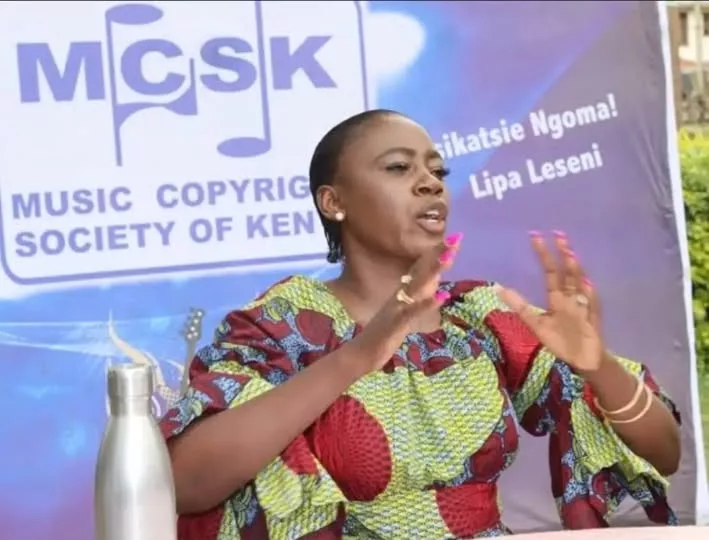
"Enough of PR. We need transparency, accountability and answers."
To seek clarity, Akothee announced her intention to take direct action. She stated: "I will be visiting the MCSK offices next week to seek clarity as a member."
The Mtwapa Club Licence Clash
Her public criticism was triggered by a recent enforcement incident involving her family. Her brother owns a club in Mtwapa. MCSK officials pursued the establishment for an annual music licence fee.
The fee demanded was KES 8,500. This licensing action highlighted a major contradiction for the artist. She pointed out that while MCSK aggressively collects fees from businesses, artists themselves do not see the financial benefits.
She asked: "If money is being collected across Kenya on behalf of artists, where is it going and how is it being distributed?"
A Proposal for the President
In addition to calling out the MCSK, Akothee wrote a formal proposal to H.E. President William Ruto. The proposal is titled "Artists' Employment & Creative Economy Empowerment."
She proposed a structured "County Artists Employment Programme." This programme aims to give qualified Kenyan artists opportunities to serve within government and institutions. Under her plan, artists would take up leadership and strategic management roles within the creative economy.
Turning Art into Employment
Akothee used a practical mathematical model to demonstrate the economic potential of her proposal. She used an example of 2,000 establishments in Kenya.
If 2,000 establishments each pay approximately KES 8,500 annually in music licensing fees, the system generates KES 17 million. She argued that a transparent and legally structured funding model could transform this revenue into jobs.
Her plan would require every county to employ at least 10 qualified artists. These artists would work in talent development, culture, entertainment, mentorship, and the creative economy.
Across Kenya’s 47 counties, this model would create 470 direct jobs and empower 470 families.
She concluded her proposal with a strong message about dignity for creatives.
She added: "Let artists earn from what they sweat for."