The Food and Agriculture Organisation of the United Nations has raised concern over increasing malnutrition in Kenya despite strides made in agriculture.
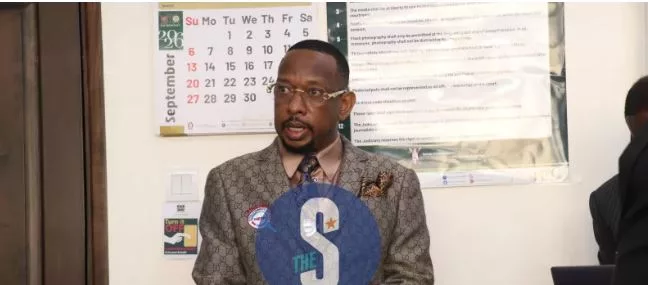
FAO Representative Farayi Zimudzi said the country has made important progress in agricultural production, commercialisation and value addition.
“Yet, at the same time, we continue to face malnutrition in its different forms—under-nutrition and micronutrient deficiencies alongside a growing burden of overweight, obesity and diet-related non-communicable diseases,” she said.
In 2026, the Ministry of Health reports that roughly 810,871 acutely malnourished children require treatment, with 62 per cent in arid and semi-arid lands (Asal).
Stunting stands at 18 per cent nationally.
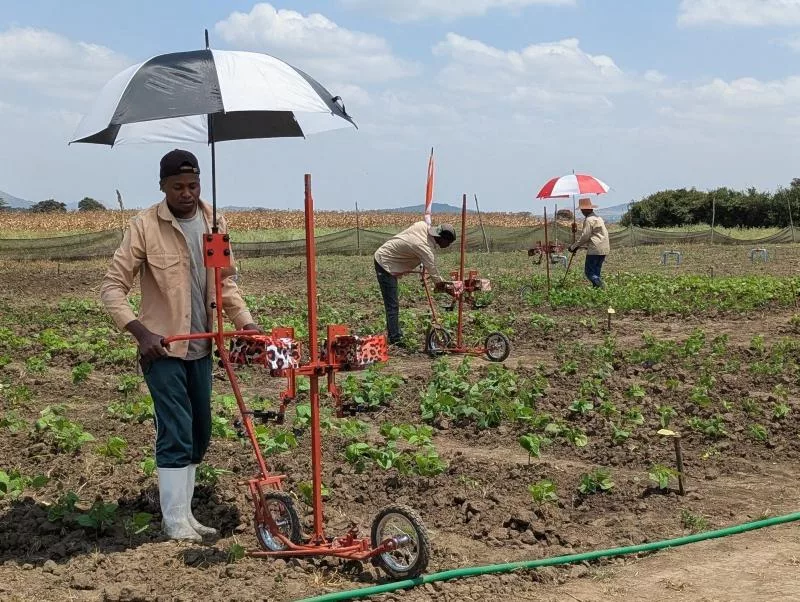
To address the challenge, Zimudzi said there is a need to transform agrifood systems through a sector-wide approach.
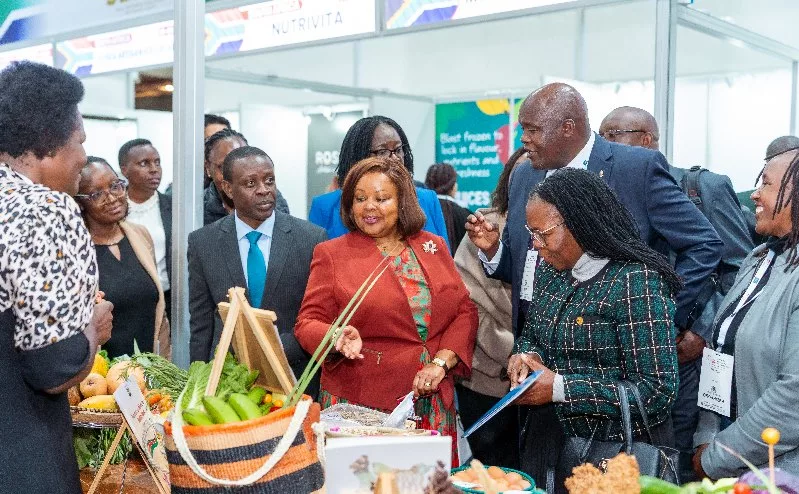
Zimudzi made the remarks during the opening ceremony of the Africa Food Show (AFS) 2026 at the Kenyatta International Convention Centre (KICC), where Secretary to the Cabinet Mercy Wanjau was the chief guest.
FAO supported the Ministry of Agriculture and Livestock Development in convening the dialogue, which was held under the theme, “Transforming Agrifood Systems for Healthy Diets: From Seed to Plate.”
Zimudzi said the conference theme challenges players in the sector to ask a fundamental question.
“Are all the actors across our agrifood system—from the soil and the seed, through production, processing, markets and trade, all the way to the consumer—working towards a food system that ultimately enables people to eat healthy diets?”
She said Kenya was pursuing agricultural trade, agro-industrialisation and employment creation while simultaneously confronting these multiple forms of malnutrition.
“The health sector can tell us that people need to consume more diverse diets, fruits and vegetables. But nutrition advice alone cannot put those foods on people's plates,” she said.
Zimudzi said food produced must be safe and retain its nutritional quality through processing and storage.
“They must reach markets. And critically, they must be available, affordable and desirable to consumers. Food safety illustrates this interconnection very clearly. A recent Kenyan study of tomatoes, kale, spinach and onions sampled from markets in Nairobi and Nakuru found pesticide residues in many of the samples and identified exceedances of applicable residue limits.”
She said such foods are among those people are encouraged to consume as part of healthy diets.
“As WHO reminds us, a diet must also be safe to be healthy.”
Zimudzi said processing is indispensable. It can improve safety, extend shelf life, reduce food losses and make foods more convenient.
“But we must increasingly ask how processing can also protect nutritional quality. How do we encourage innovation, fortification and reformulation while reducing excessive salt, free sugars and unhealthy fats?” she said.
“How do we make nutritious processed foods commercially viable and affordable? WHO identifies precisely these kinds of actions across manufacturing and food environments as important for addressing obesity and diet-related disease.”
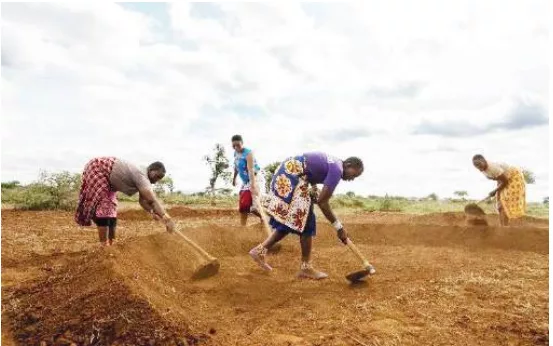
Zimudzi said there is a need to go further back to the soil.
She said Kenya's 2011 National Micronutrient Survey identified zinc deficiency as a significant public health concern.
“This raises important questions for our researchers and agricultural scientists. When we recommend foods because they are traditionally considered rich sources of particular nutrients, how much do we know about how soil health, varieties, production practices, storage and processing affect the nutrients that ultimately reach the consumer?”
Zimudzi said some of the questions cannot be answered by agriculture alone.
“They require research institutions, universities, food manufacturers, farmers, regulators, traders and consumers around the same table.”
Zimudzi said FAO's Strategic Framework calls for transformation towards more efficient, inclusive, resilient and sustainable agrifood systems for better production, better nutrition, a better environment and a better life, leaving no one behind.
Wanjau said agricultural ambitions should not be pursued in isolation.
“The farmer should not be left so vulnerable, bearing a huge risk and having to absorb it.”
Wanjau said the ongoing efforts should not be just about food security but also about competitive food systems.
“We need to align with our health priorities under the Ministry of Health, our trade priorities and industrialisation agenda, the devolution framework that empowers county governments closest to the farmer and our climate and environmental commitments. This is a whole-of-government perspective that Kenya brings to the dialogue and it is one we take very seriously.”
The Africa Food Show (AFS) 2026, scheduled for 20–22 August 2026, is the premier pan-African business-to-business platform dedicated to advancing Africa's agricultural and food industries.
It brings together producers, processors, traders, retailers, investors, policymakers, regulators, researchers, financial institutions, development partners, private sector leaders, innovators, international buyers and community representatives from across the continent and beyond.
In its fourth edition, AFS 2026 aligns with Kenya's Vision 2030 and the African Union Agenda 2063.
It builds on previous editions by integrating commercial exchange with policy dialogue, technical knowledge sharing and innovation.
The Africa Food Show comes at a time when Africa's agrifood systems are undergoing rapid transformation, driven by growing demand for nutritious foods, urbanisation, technological innovation, climate change and expanding regional markets.
While the continent possesses immense agricultural potential, persistent challenges, including food insecurity, climate shocks, post-harvest losses, market access constraints, food safety risks and the increasing burden of malnutrition in all its forms, continue to limit the ability of agrifood systems to deliver economic prosperity, environmental sustainability and healthy diets.
These challenges highlight the need to transform agrifood systems across the entire value chain, from seed to plate, recognising that the health of populations is intrinsically linked to how food is produced, processed, traded, marketed and consumed.