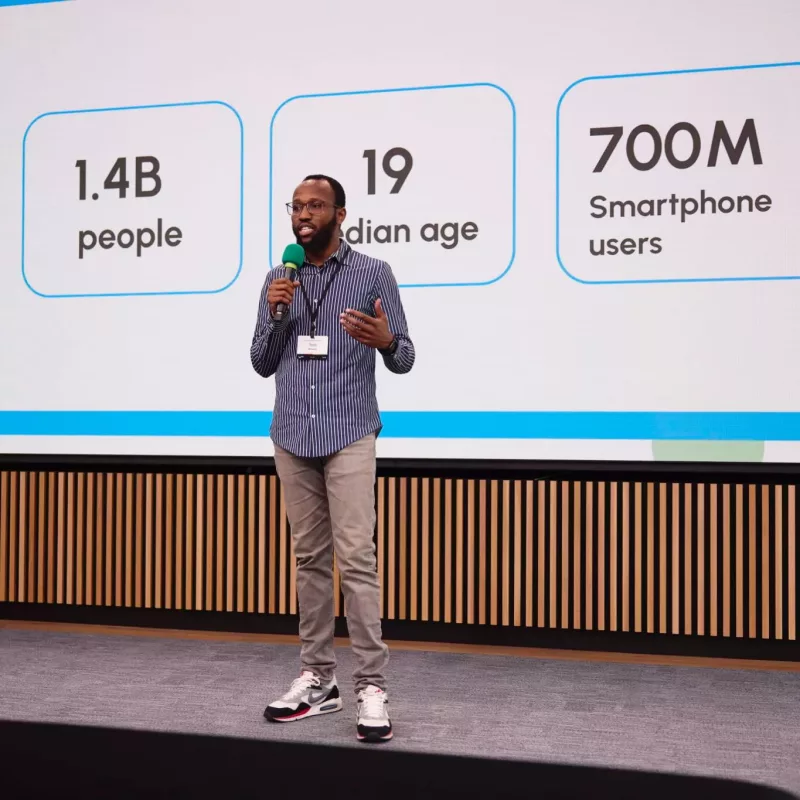
For many university students, campus life is largely about attending lectures, completing assignments and preparing for life after graduation. But for Kenyan entrepreneur Tesh Mbaabu, university was also the beginning of a journey that would eventually take him into the world of high-growth technology businesses.
Mbaabu began exploring entrepreneurship while still at university, using his programming and coding skills to pursue business opportunities. His story has since become an example of how ideas developed at a young age can grow into serious enterprises.
Rather than waiting until graduation to begin building his career, Mbaabu started experimenting with business ventures while still a student.
His interest in technology gave him an advantage in identifying opportunities within Kenya’s rapidly changing digital economy. What began as youthful ambition gradually developed into a much bigger entrepreneurial journey.
Advertisement
Advertisement
By the age of 19, Mbaabu had reportedly made his first million, an achievement that placed him among Kenya’s notable young entrepreneurs.
Building MarketForce
Mbaabu later co-founded MarketForce alongside Mesongo Sibuti. The company focused on using technology to transform how businesses and retailers access products and services.
The venture grew into a notable player in Kenya’s technology and commerce ecosystem, with ambitions extending beyond the local market.
His journey demonstrates how university can become more than a place to earn academic qualifications. For ambitious students, it can also provide an environment to experiment, develop skills, meet potential collaborators and test business ideas.
In 2023, Mbaabu was recognised on the Forbes 30 Under 30 list, further cementing his reputation as one of the young entrepreneurs making an impact in Africa's technology space.
Tesh Mbaabu // Instagram
A Lesson for Young Kenyans
Mbaabu’s journey is a reminder that some of Kenya’s most interesting businesses can begin with a simple idea and the courage to pursue it. His story also sits alongside that of Mesongo Sibuti, his University of Nairobi classmate and MarketForce co-founder, showing how two students can turn a problem they notice around them into a business. The duo first experimented with technology ventures before developing MarketForce, which eventually expanded across several African markets.
Another inspiring example is Paul Kimani, the founder and CEO of Workpay, a Kenyan technology company focused on helping businesses manage payroll and human resources. His entrepreneurial journey similarly demonstrates how young African founders are using technology to solve everyday business problems. He has also been recognised within Kenya’s startup ecosystem and has participated in entrepreneurship discussions alongside other local founders.
For young Kenyans, the bigger lesson is that entrepreneurship does not always begin with millions in the bank or a perfect business plan. Sometimes it starts with identifying a problem, developing a useful skill and being willing to test an idea. Mbaabu himself has spoken about the importance of execution and adapting when circumstances change.
The stories of Mbaabu, Sibuti and Kimani show that campus can be more than a place to earn a degree—it can also be the starting point for ideas that grow into businesses, create jobs and solve problems affecting thousands of people.