For generations, the traditional courtship narrative in Kenya was built on potential. A young couple would start with humble beginnings—often in a single room with a single mattress—and build a life together from the ground up.
Today, however, that romanticized "starting from scratch" ideology is rapidly fading, replaced by a hyper-aware, financially driven dating ecosystem.
The debate recently exploded online following remarks by Teacher Cillah, reigniting a uncomfortable question among young Kenyans: Has financial stability quietly replaced character as the primary prerequisite for love and marriage?
From provider culture and "soft life" expectations to widening salary gaps, the definition of a good partner is increasingly being measured by the strength of their bank account.
The "50/50" Trap and the Provider Expectation
In a modern economic climate where living costs continue to skyrocket, the debate over financial responsibilities in relationships has split young Kenyans into two distinct camps: traditional provider roles versus modern 50/50 split arrangements.
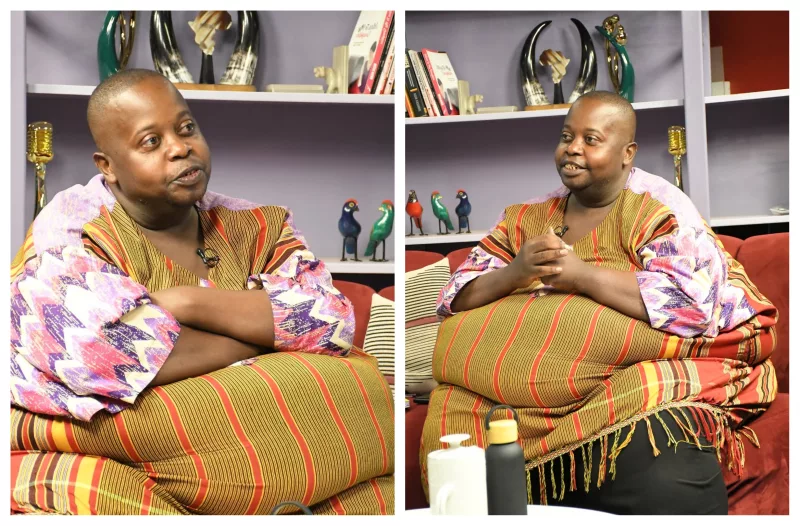
Media personality and comedian Dr.Ofweneke has been vocal about his stance, firmly rejecting the concept of modern 50/50 financial arrangements in marriage. Speaking on the dynamics of modern households, Ofweneke argued that men must retain full financial responsibility for their families, warning that attempting to split bills down the middle undermines the traditional foundation of a home.

Income Gaps: Can Love Survive an Asymmetric Paycheck?
Digital creator Mungai Eve previously sparked widespread debate after addressing the reality of massive income disparities between partners. In a widely discussed commentary on financial compatibility, she posed a hypothetical scenario where a woman earns Ksh. 1 million while her husband earns Ksh. 80,000, questioning whether emotional balance can truly be maintained under such a stark gap.

Mungai's remarks touched on a sensitive social truth—that severe income inequality in a relationship can quietly distort power dynamics, potentially breeding resentment or a loss of mutual respect over time. Her perspective raised a fundamental question for the modern dating scene: Can love remain equal when the money between two partners is not?
Akothee’s Take: "Comfort Over Ridiculous Wealth"
While the public discourse often swings toward extreme wealth or strict financial demands, singer and businesswoman Akothee offers a more nuanced view grounded in her own extensive experience with love, marriage, and wealth.
Known for her unapologetic stances on money, Akothee has noted in interviews that seeking a partner doesn't necessarily mean hunting for a billionaire. Instead, she emphasizes that financial comfort and peace of mind matter far more than extravagant riches.

A New Dating Standard
What was once dismissed as surface-level materialism is now viewed by many young Kenyans as practical risk management. As inflation rises and career trajectories diverge, being "broke" is no longer seen as merely a temporary phase, but as a potential liability to long-term stability.
Whether viewed through Dr. Ofweneke’s insistence on traditional male provision, Mungai Eve’s pragmatic look at income gaps, or Akothee’s focus on peace of mind, one thing is clear: in Kenya’s modern dating landscape, love may still be essential, but money has officially taken a seat at the head of the table.