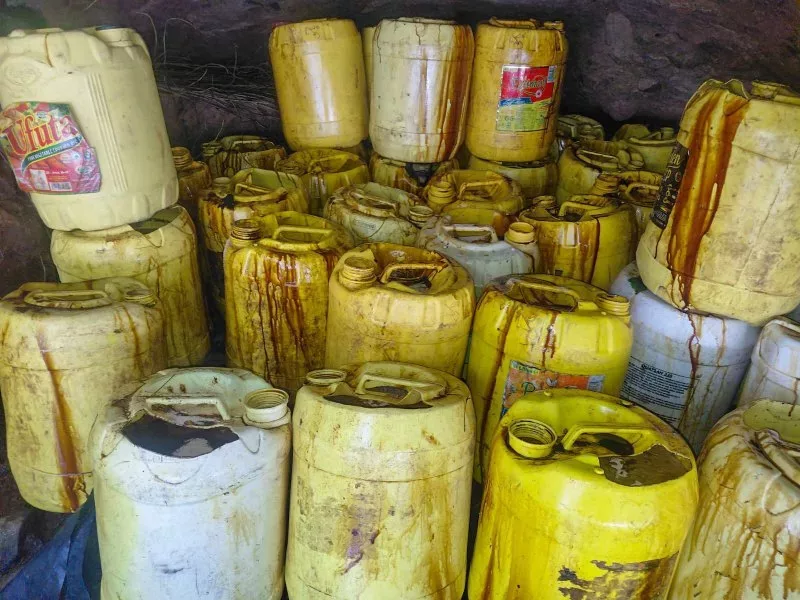
The Sh203 billion illicit alcohol economy has grown far beyond a nuisance at the margins of Kenya’s economy.
It is now a sprawling criminal enterprise stealing billions from the Treasury, threatening legitimate businesses and, most disturbingly, putting lives at risk. This is a national emergency.
Illicit alcohol is estimated to account for 60 per cent of Kenya’s alcohol market by volume. The shadow trade is worth Sh203 billion and is estimated to have cost the Treasury about Sh120 billion in lost revenue. That is money that could finance hospitals, schools, roads and other essential services.
But the revenue loss is only one side of this crisis. Counterfeiters are washing genuine bottles, cloning labels and tax stamps and refilling branded containers with cheap and potentially dangerous liquor.
Smuggled ethanol feeds illegal distilleries, while criminal networks exploit porous borders and social media to expand their reach.
The government must stop treating illicit alcohol as merely a street-level enforcement problem.
Authorities must follow the money and dismantle the networks behind the trade.
Financiers, smugglers, chemical suppliers, counterfeit printers, packaging dealers and corrupt officials who facilitate the business must face prosecution. Asset tracing and financial investigations should be at the heart of enforcement.
KRA, Kebs, Aca, Nacada, police, DCI and county governments must also share intelligence and establish a seamless system for tracing alcohol from production to the consumer.
Tax policy deserves an honest review, too. When legal alcohol becomes significantly more expensive than illicit alternatives, demand does not disappear; it moves underground.
The government must act decisively.