Kenya is facing a food crisis as drought cuts farm output, pushes up food prices and threatens to deepen the cost-of-living burden on households struggling to make ends meet.
For farmers such as Mercy Korir in Uasin Gishu, the crisis is taking shape.
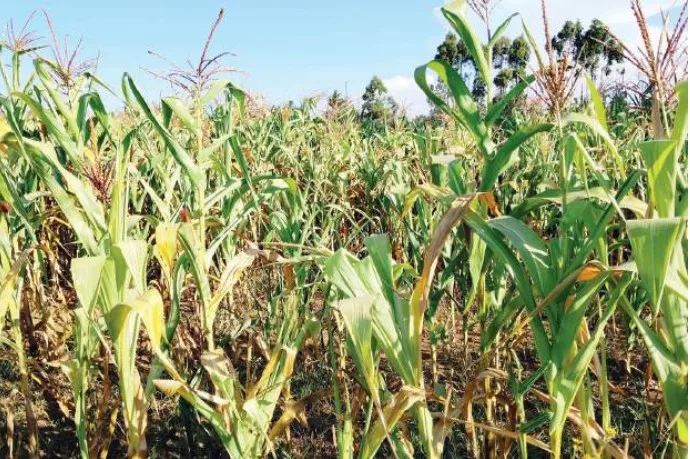
Her maize crop, which normally produces between 50 and 100 bags, is now expected to yield less than 50 bags.
For a farmer who relies on maize as her source of income, a poor harvest means less money for food and needs.
Her predicament is being repeated across food-producing regions, where rainfall deficits have damaged crops.
In Baringo, drought has destroyed an estimated 75 per cent of the maize harvest, with losses reaching 80 per cent in lowland areas.
The consequences are being felt in markets. Maize prices rose by 3.3 per cent in July, while bean prices increased by up to 2.9 per cent.
The government plans to import 25 million 90kg bags of maize to bridge the deficit.
Imports may provide relief, but they expose a weakness: Kenya remains dependent on rainfall to feed its population.
Government must make drought resilience a priority.
Expanding irrigation and supporting farmers cannot remain promises when food prices rise.
Quote of the Day:“Every wise, just, and mild government, by rendering the condition of its subjects easy and secure, will always abound most in people, as well as in commodities and riches. — Scottish philosopher and historian David Hume died on August 25, 1776