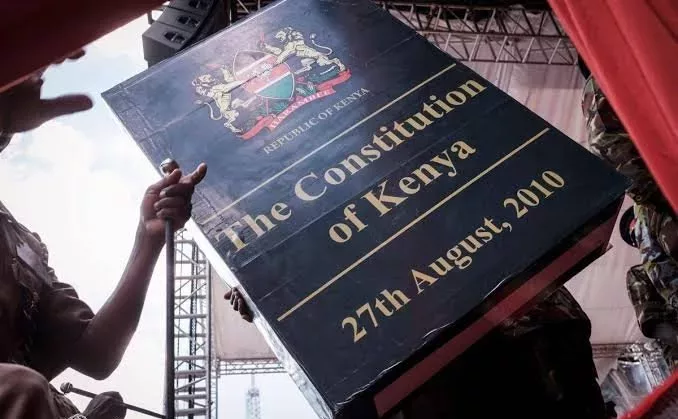
Kenya on Thursday marked Katiba Day, commemorating the promulgation of the 2010 constitution, a landmark moment that replaced the independence constitution after decades of piecemeal amendments and political manipulation.
When the new constitution was unveiled, hopes were high. Kenyans looked forward to a more just society in which the rule of law would apply equally, public resources would be shared equitably, political competition would be fair, and corruption would be confronted with determination.
Sixteen years later, however, the gap between constitutional promise and lived reality remains uncomfortably wide.
The constitution has undoubtedly transformed Kenya in important ways, particularly through devolution, an expanded Bill of Rights and stronger institutions. But too often, its lofty provisions remain words on paper, invoked selectively by those in power and ignored when inconvenient.
A constitution cannot transform a country merely by being promulgated, printed and celebrated annually. It must be breathed into life through action. Its principles must guide government decisions, public spending, elections, appointments and the conduct of public officials.
Kenyans did not adopt the 2010 constitution simply to acquire another legal document. They wanted a fundamentally different country.
Katiba Day should therefore be more than ceremony and speeches. It should be a moment for honest reflection and renewed commitment to constitutionalism.
Lip service is not enough. The constitution must be lived, defended and enforced.
Read Also
Quote of the Day:"A state is a perfect body of free men, united together to enjoy common rights and advantages."—Dutch jurist and father of international law Hugo Grotius died on August 28, 1645