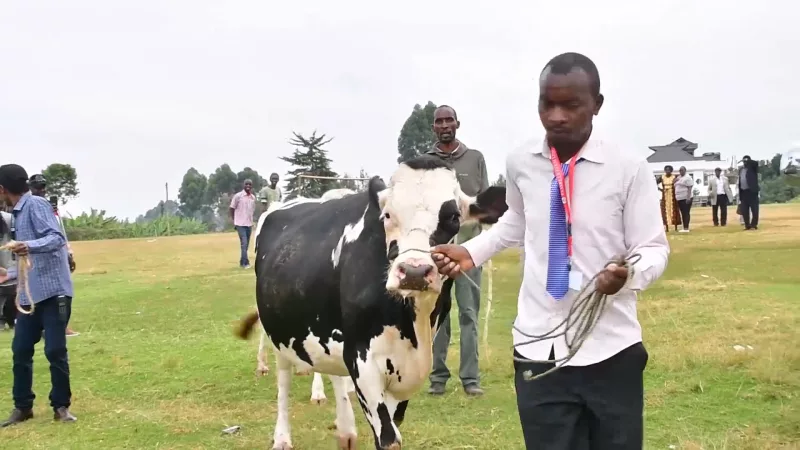
The government says Kenya has overtaken Egypt to become Africa’s largest milk producer, with annual output rising to 5.4 billion litres.
Yet many supermarket shelves have run short of milk. What good is being Africa’s leading producer if consumers struggle to find a packet of milk? The government must ensure that higher production translates into reliable supplies and fair prices.
First, make dairy farming cheaper. Feed costs are squeezing farmers, while veterinary drugs and other farm inputs add to the burden. Dry weather has also reduced pasture and fodder. When a cow gets less feed, it produces less milk. Some farmers may also cut the number of animals they keep because they cannot afford to feed them. The government should expand access to affordable feed, support fodder growing and storage, and improve access to reasonably priced animal health services.
Further, not all milk produced reaches formal processors, and shortages of processed milk cannot be solved by counting cows alone. Kenya needs reliable collection centres, cooling equipment and transport so that milk reaches processors before it spoils.
Finally, the market must work for both farmers and consumers. Farmers need prices that cover production costs, while consumers need a steady supply at prices they can afford.