The ongoing development of the Lamu Port-South Sudan-Ethiopia Transport Corridor will be a major catalyst for economic growth and improved security in Northeastern, an administrator has said.
Northeastern regional commissioner John Otieno said the project, particularly the construction of the Nairobi-Garissa-Isiolo road, would open up the region to increased trade, investment and movement while enabling security agencies to respond more effectively to insecurity along the vast corridor.
“That road is going to open up this region for commerce and movement. People will be able to move freely and conduct their businesses and trade more efficiently,” he said.
Otieno said improved roads would have far-reaching security implications in a region that has for years faced attacks by al Shabaab militants, including improvised explosive device attacks targeting security officers and members of the public.
Several security officers have lost their lives in such attacks.
“With the construction of the road, incidents involving the emplacement of improvised explosive devices along the route will hopefully become a thing of the past. The project is therefore going to open up this area and improve both security and economic activity,” Otieno said.
He spoke in Garissa on Tuesday after touring government projects, including the Lapsset Corridor, Garissa passport office and Garissa County Level 5 Teaching and Referral Hospital.
Otieno said about 85 kilometres of the Nairobi-Garissa-Isiolo road had been upgraded under the Lapsset programme and was expected to reach Isiolo within the next 15 months.
The benefits were already being felt by communities along the corridor, particularly through improved connectivity between Garissa and areas such as Fafi, Hulugho and Masalani.
Abdi Sugal, chairman of youth in Modika, said residents had initially opposed the project, fearing it would interfere with grazing land and disrupt the pastoralist way of life.
However, he said public participation and sensitisation meetings had changed their perception.
“Initially, we were reluctant and did not want anything to do with the Lapsset project because we feared it would interfere with our grazing fields. But after sensitisation and public participation meetings, we started realising the project would actually benefit us,” Sugal said.
He welcomed the decision to upgrade the road from murram to tarmac, saying connectivity had significantly reduced travel time to remote parts of Garissa.
Meanwhile, Otieno said the Garissa Directorate of Immigration Services office had eased access to passports for residents.
The facility, officially opened by President William Ruto last year, has the capacity to serve about 25,000 people annually, with more than 16,000 residents already having benefited.
Applicants can receive passports in as little as five days after completing the required procedures, reducing the need to travel to Nairobi for the service.
Otieno said decentralising government services was critical to improving access for residents in historically marginalised regions.
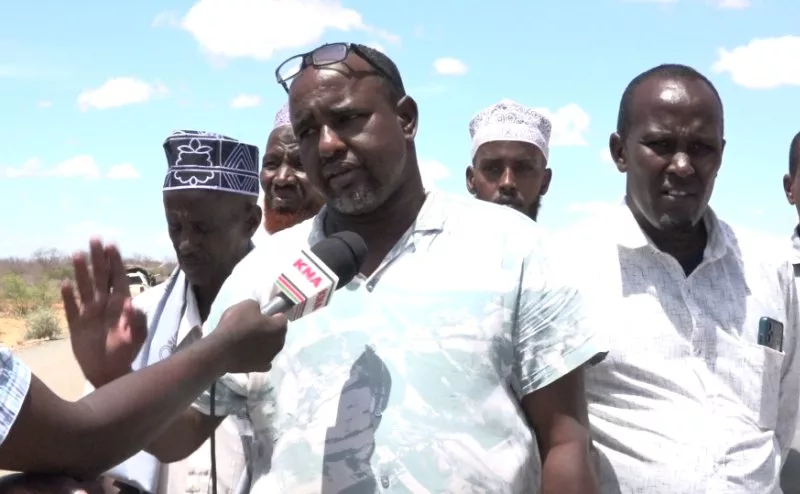
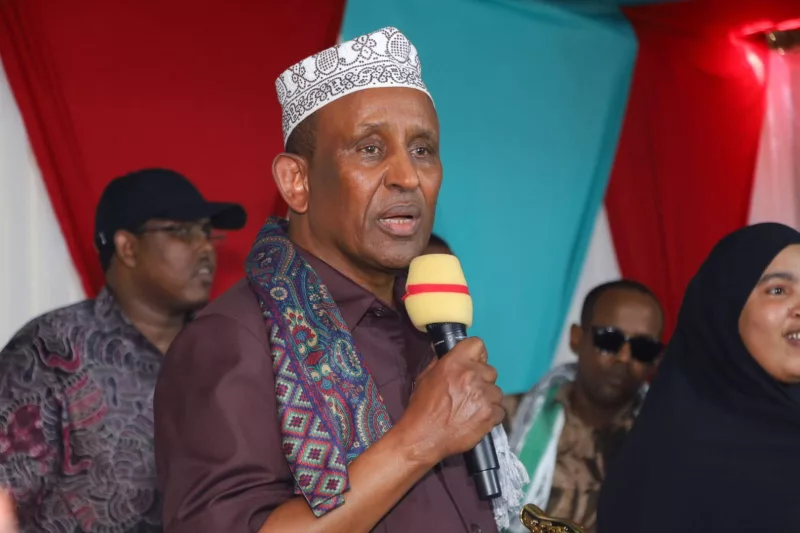
Abdi Hajir Sugal, the chairman of youth in Modika speaking to the press./STEPHEN ASTARIKO
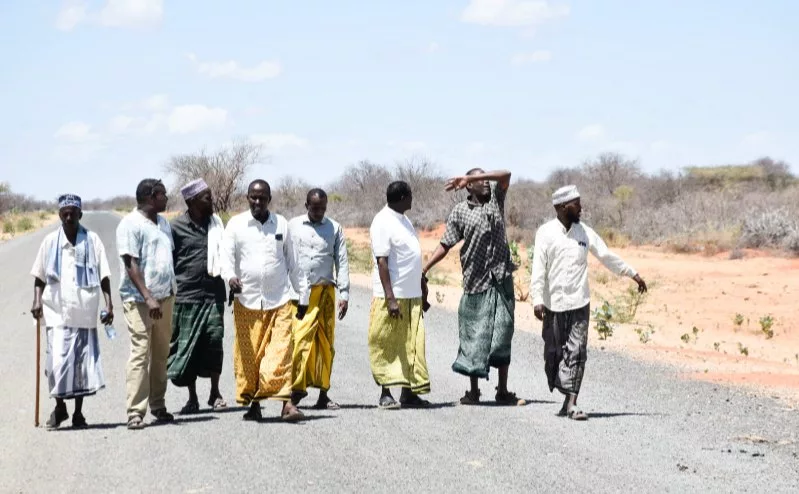
Residents of Modika in Garissa walking on the newly constructed LAPSSET road./STEPHEN ASTARIKO
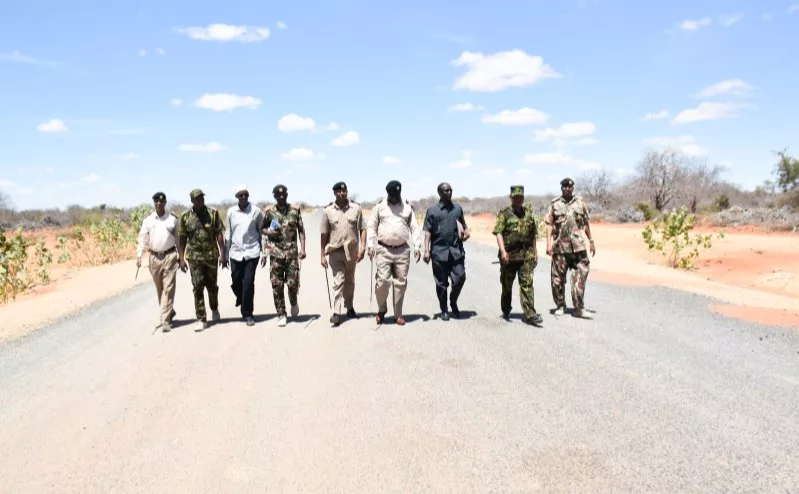
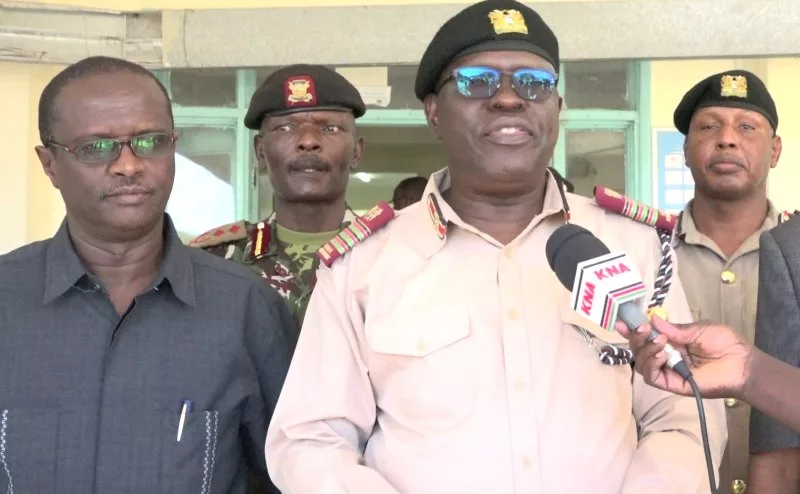
North Eastern Regional Commissioner John Otieno, together with regional and county security teams, assessing press of the LAPSSET corridor at Modika section. /STEPHEN ASTARIKO
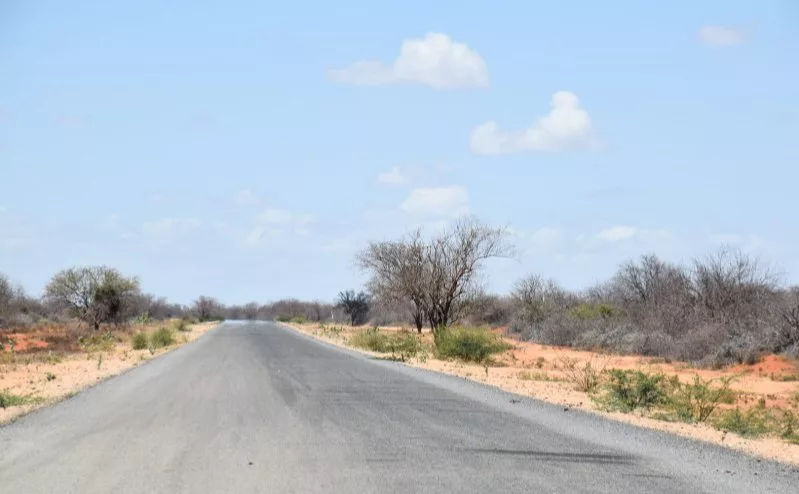
A tarmacked stretch of the LAPSSSET corridor road at Modika area./STEPHEN ASTARIKO