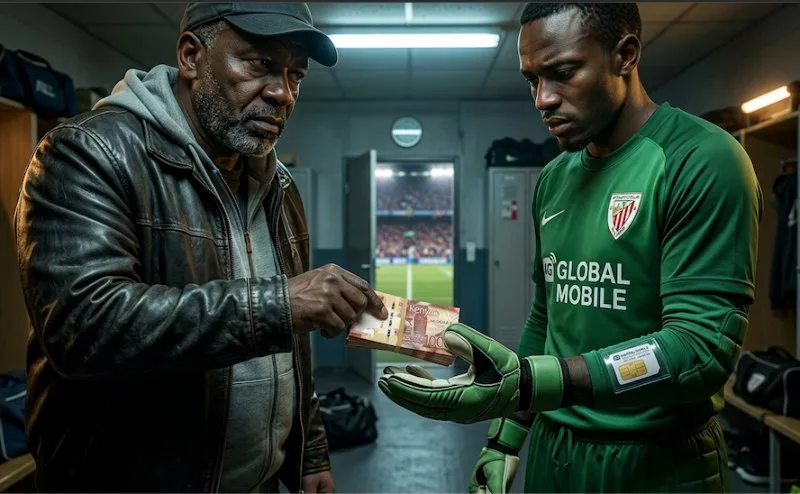
Kenyan football stands at a precipice. The Africa Uncensored documentary The Fixers lays bare a sordid network of match-fixing that has ensnared players, referees, officials and federation insiders.
Desperate athletes, unpaid for months and earning less than $600 (Sh77,586) monthly, become easy targets for betting syndicates offering quick cash to throw games. Referees admit approaches from within the Football Kenya Federation (FKF) itself.
Sting operations yield arrests, only for suspects to walk free weeks later because Kenya lacks specific laws criminalising match manipulation. FKF, instead of robust internal investigations, defers to a police service often hampered by its own challenges.
Careers are ruined by blackmail, sponsors flee and fans lose faith. With Kenya co-hosting the 2027 Africa Cup of Nations, this sporting crisis is a national integrity emergency.
This football rot is a symptom of more serious organised crime that thrives where institutions are fragmented, under-resourced or compromised. Political goonism, voter bribery, money laundering through crypto and betting channels and corruption in public procurement are all interconnected.
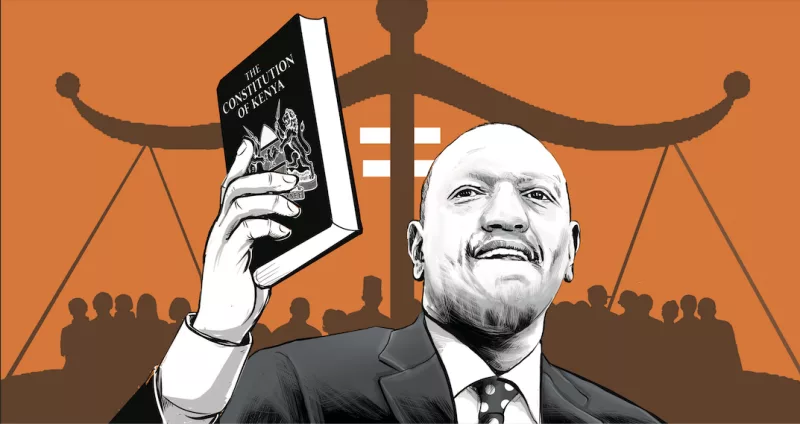
The 2027 election heightens the stakes, with reports of politicians hiring gangs to intimidate rivals. Reactive, siloed responses have failed. Kenya urgently needs a comprehensive National Organised Crime Strategy, and it must be backed by robust legislation that reaches far beyond sports.
South Africa offers a compelling model. Facing cartel infiltration of its police and justice system, Pretoria endorsed a National Organised Crime Strategy led by a senior officer but operating through an integrated, intelligence-driven, multidisciplinary framework.
Ministers and Members of Executive Council (MINMEC), an intergovernmental consultative body in South Africa that brings together a national cabinet minister and the provincial MECs (Members of the Executive Council) who manage the same portfolio or sector, endorsed the plan, which targets syndicates operating across boundaries, illicit economies and high-crime hotspots.
It emphasises asset recovery funding, rebuilt crime intelligence and coordinated task teams. While implementation challenges remain, the approach marks a shift from fragmented policing to proactive, whole-of-government disruption.
Kenya should adapt and strengthen this blueprint. A National Organised Crime Unit, properly constituted, could centralise expertise and operations against match-fixing rings, political violence networks, drug trafficking and financial crimes.
To avoid repeating law enforcement’s vulnerabilities, where command structures face executive influence, leadership must rest with a retired judge, supported by heavy civil society representation alongside leaner law enforcement input.
This hybrid ensures independence, public confidence and diverse expertise in monitoring, advocacy and community intelligence.
The strategy alone is insufficient without legal muscle. The pending Sports (Amendment) Bill, 2026, is a welcome but narrow step, limited to sports manipulation under the Sports Act. Kenya needs a broader RICO-style Act, a multi-sectoral racketeering law that targets patterns of organised criminal enterprise, conspiracy and proceeds of crime across domains.
Such legislation would allow the Unit to assume precedence, triggered by independent judicial review, in qualifying cases, enabling asset seizures, long-term investigations and enterprise-level prosecutions. Courts would verify organised crime elements swiftly, preventing delays or forum-shopping while protecting against abuse.
Some may warn of overreach or implementation gaps, yet the continued drift is costlier. Match-fixing erodes national pride and investor confidence. Political criminality threatens democratic stability. Without coordinated action, Kenya risks becoming a regional hub for transnational syndicates exploiting weak links between sports, betting, politics and finance.
The time for half-measures is over. By establishing a judge-led National Organised Crime Strategy backed by comprehensive RICO legislation, Kenya can protect its football heritage, safeguard its elections and signal to criminals and citizens alike that the rule of law has teeth.
Parliament, the executive and civil society must act decisively to secure the future on the pitch, at the ballot box and in the economy.
Social impact adviser, social consciousness theorist, trainer and speaker, agronomist consultant for golf courses and sportsfields and author of 'The Gigantomachy of Samaismela' and 'The Trouble with Kenya: McKenzian Blueprint'