
 Diabetes
Most Kenyans have heard of important health measures such as
blood pressure and blood sugar, but many are not checking them regularly,
according to a new survey.
Read Also
The findings raise concerns that thousands of Kenyans are living with silent diseases such as hypertension and diabetes without knowing it.
The survey of 1,100 adults in urban and peri-urban Kenya found that although awareness of common health indicators is high, routine screening remains low.
This leaves many people at risk of late diagnosis of non-communicable diseases (NCDs).
The findings come as Kenya grapples with a growing burden of chronic illnesses, including hypertension, diabetes, heart disease, cancer and obesity, which are placing increasing pressure on the health system.
The Know Your Numbers Survey was commissioned by non-profit Doctors for Healthy Living (D4HL) and conducted by Ipsos.
“One of the biggest challenges in preventive healthcare is that many people believe feeling healthy means they are healthy,” said Dr Robert Mathenge, co-founder of the non-profit.
“Yet hypertension, diabetes and high cholesterol often develop silently. By the time symptoms appear, opportunities for prevention may already have been lost. Knowing your numbers before illness strikes remains one of the simplest and most effective ways to protect your health.”
According to the World Health Organization (WHO), non-communicable diseases account for 75 per cent of deaths globally, with low- and middle-income countries carrying nearly three-quarters of that burden.
The agency says early detection through regular screening is one of the most effective ways to prevent complications and premature deaths.
The survey found that 90 per cent of respondents knew about blood pressure, making it the best-known health indicator.
Blood sugar followed at 78 per cent, Body Mass Index (BMI) at 66 per cent and cholesterol at 63 per cent.
However, only one in four respondents had heard of waist circumference, an important measure used to assess the risk of diabetes and cardiovascular disease.
Knowing about these health indicators did not necessarily translate into action.
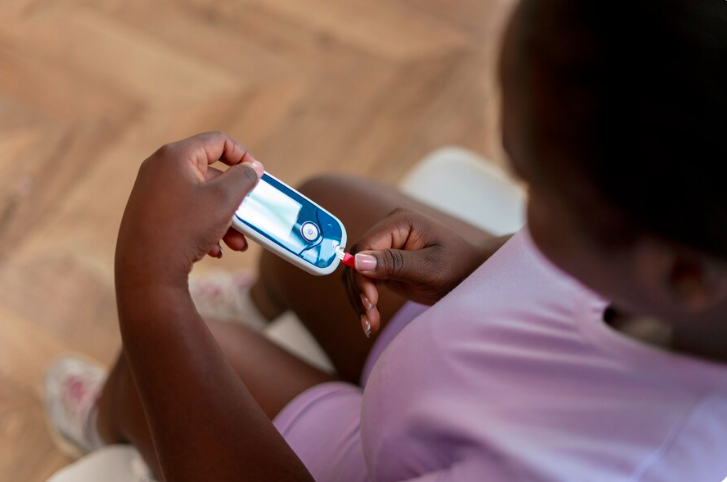
While 79 per cent of respondents said they had checked their blood pressure at least once, only 47 per cent had ever tested their blood sugar. Just 15 per cent had ever checked their cholesterol level, while only nine per cent had measured their waist circumference.
The picture was worse when participants were asked about tests done within the previous year.
Only 38 per cent had tested their blood sugar during that period, 10 per cent had checked their cholesterol and six per cent had measured their waist circumference.
The survey also found that women were more likely than men to know their health numbers and undergo routine screening, suggesting that men may need more encouragement to seek preventive healthcare.
One finding stood out above all others.
Nearly three out of four respondents who skipped routine health checks said they did so because they felt healthy.
Among those who had not been screened recently, 72 per cent said they saw no need because they had no symptoms.
Another 18 per cent cited lack of time, 12 per cent cited inconvenient clinic hours and 10 per cent said screening was too expensive.
Doctors say conditions such as high blood pressure, diabetes and high cholesterol often develop without warning signs.
Many patients only discover they have these diseases after suffering a stroke, heart attack, kidney failure or other serious complications.
WHO recommends regular screening because elevated blood pressure, raised blood sugar, abnormal cholesterol and excess body fat are major risk factors for heart disease, stroke and diabetes.
These conditions can often be managed successfully when detected early through lifestyle changes and treatment.
The survey suggests there are opportunities to expand screening outside hospitals.
Although pharmacies are among the health facilities most frequently visited by Kenyans, only 17 per cent of respondents preferred them for routine health screening.
Most said they would rather be screened at private hospitals and clinics (80 per cent) or public health facilities (71 per cent).
The researchers also identified workplaces as an important setting for routine health checks.
They said employer wellness programmes could help detect disease earlier while reducing sickness-related absenteeism.
“Knowing your numbers should become as routine as servicing your car or renewing your insurance,” said Anthony Mugo, head of partnerships at D4HL.
“Preventive healthcare must become part of where people live, work and access everyday services. The easier and more routine we make screening, the greater our chances of detecting disease early and keeping Kenyans healthier.”
The findings come as Kenya implements its national strategy to tackle non-communicable diseases, which aims to reduce premature deaths from heart disease, diabetes, cancer and chronic respiratory diseases through prevention, early diagnosis and better treatment.
The strategy recognises cardiovascular diseases and diabetes as among the country’s fastest-growing health challenges.
WHO says preventing non-communicable diseases requires reducing common risk factors such as unhealthy diets, tobacco use, harmful alcohol consumption and physical inactivity, while expanding access to screening and treatment through primary healthcare.
Early diagnosis, the agency says, not only saves lives but also reduces healthcare costs by preventing severe complications.
The survey highlights a simple message for Kenyans: knowing about diseases is not enough.
Regularly checking blood pressure, blood sugar, cholesterol, body weight and waist size could help detect potentially life-threatening conditions long before symptoms appear, when treatment is often simpler, cheaper and more effective.







