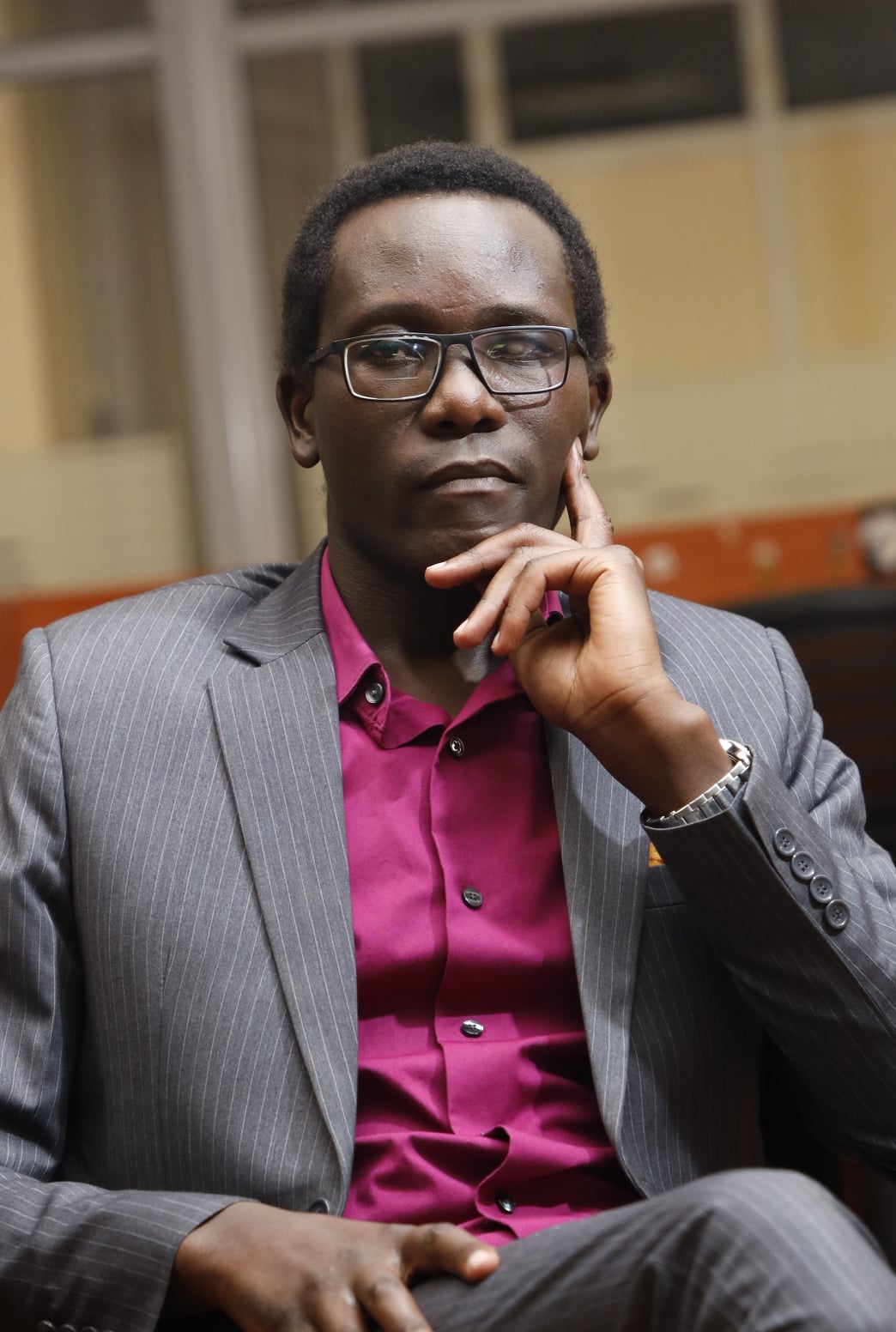
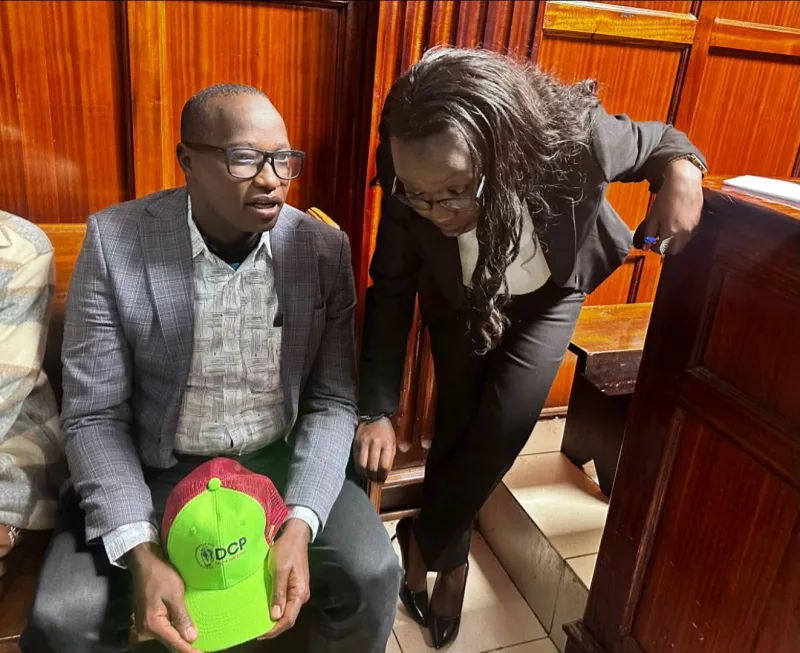
The arrest and charging of Mukurweini MP John Kaguchia over alleged incitement remarks, the arrest of blogger Justin Kinyua over alleged inflammatory social media posts and recent controversial statements attributed to senior politicians have reignited concerns over rising ethnic rhetoric.
Health CS Aden Duale's ‘hyena’ remarks and accusations levelled against Senate Majority leader Aaron Cheruiyot have further fuelled debate over the growing use of divisive political language.
Further, key institutions mandated with safeguarding national cohesion and proper electoral conduct among politicians are under scrutiny on whether they are doing enough to stem the trend.
The incidents come as political competition between President William Ruto's broad-based administration and opposition formations intensifies, a year before formal campaigns are expected to begin.
By-elections in Kasipul, Malava and Mbeere North were marred by violence, intimidation and allegations of electoral malpractice.
In Ol Kalou, the deployment of masked police officers during a by-election sparked criticism from opposition leaders and civil society.
Organisers of the Linda Mwananchi rallies have repeatedly accused rivals of using hired goons to disrupt their meetings.
The incidents have revived memories of the period preceding the disputed 2007 General Election, when hate speech, ethnic mobilisation and isolated political violence escalated and descended into widespread post-election violence.
The National Cohesion and Integration Commission has repeatedly warned politicians against inflammatory rhetoric and hate speech.
However, interventions have largely been limited to public statements, with few prosecutions to deter offenders. And even when charged, the convictions are not secured.
The Independent Electoral and Boundaries Commission has also appealed for peaceful political competition as it prepares for the elections, although questions over its capacity and credibility continue to dominate political discourse.
A new study has warned that ethnic politics and weak public institutions remain the biggest threats to Kenya's democratic progress despite sweeping constitutional reforms introduced over the last decade.
The study is titled: ‘The State of Democracy in Africa, with Special Reference to Nigeria, Kenya and Zimbabwe: Current Trends and Needs in the Advocacy Space’. It is published by the International Organisation of Scientific Research.
The study says Kenya has made significant democratic gains since the promulgation of the 2010 Constitution. However, those achievements remain vulnerable to ethnic politics and institutional interference.
According to the researchers, ethnicity continues to shape voting patterns more than policy debates, reinforcing a winner-takes-all political culture in which communities that support victorious candidates expect preferential access to government jobs, public resources and development projects.
"Ethnic identity plays a very big part in Kenyan politics, and the political stalwarts maximise this factor," the study says.
It adds that the practice has entrenched patronage, weakened accountability and marginalised smaller communities.
The report argues that political leaders accused of corruption or poor performance frequently retain support because of ethnic affiliation rather than their record in office, making democratic oversight more difficult.
It also finds that while younger Kenyans increasingly express a preference for issue-based politics, ethnic identity continues to shape political attitudes and perceptions.
Beyond ethnicity, the researchers warn that institutions established to protect democracy, including the Judiciary, the electoral commission, security agencies and oversight bodies, remain susceptible to political interference, undermining public confidence in their independence.
"Weak institutions are the bane of many African nations, and Kenya is no exception," the report says, arguing that interference by political interests continues to undermine democratic governance.
The findings come at a time when opposition leaders have intensified criticism of the IEBC and security agencies over their handling of recent by-elections.
Wiper leader Kalonzo Musyoka, DCP leader Rigathi Gachagua, former CS Justin Muturi and PLP leader Martha Karua have questioned the commission's ability to deliver a free, fair and credible election, citing violence, voter intimidation and the alleged misuse of state machinery during recent mini-polls.
The opposition has also questioned the neutrality of the National Police Service, concerns that have been compounded by resource constraints within the service.
Appearing before Parliament in May, Inspector General Douglas Kanja said the police service is operating at only half of its required transport capacity and requires an additional 15,000 officers to adequately secure the country during the 2027 elections.
The concerns echo those raised by the Kofi Annan Foundation's Electoral Vulnerability Index, which warned that Kenya faces an 84 per cent risk of election-related violence ahead of the next polls.
The foundation attributes the risk to growing public mistrust in institutions such as the police and the IEBC, rising political polarisation, ethnic mobilisation and the spread of misinformation and digital disinformation.