Motorists, businesses and households stare at another round of fuel price increases next week as continued Middle East tensions offer no respite on global crude oil prices.
The war also continues to disrupt key shipping routes, threatening to fuel inflation that is already started edging higher, with oil sector experts cautioning that last month’s escalations could be felt in the next pricing cycle.
The Energy and Petroleum Regulatory Authority (EPRA) is expected to announce the August-September fuel prices next week.
With Kenya's fuel prices determined using a one-month import pricing cycle, based on the weighted average import costs of cargoes, the renewed surge in global oil prices during July is expected to feed into the next review.
The latest geopolitical tensions involving the United States and Iran, continued attacks by Yemen's Houthi rebels on commercial vessels in the Red Sea, and the prolonged Russia-Ukraine war have rattled global energy markets, increasing both crude oil prices and shipping costs.
Brent crude has climbed back above 80 dollars a barrel after the Houthis claimed responsibility for a missile attack on a Saudi oil tanker near Yanbu, a key export terminal for Saudi crude.
The benchmark reached a high of 100.69 dollars per barrel on July 23 amid fears of supply disruptions and threats to shipping through the Strait of Hormuz.
For Kenya, which imports all its refined petroleum products, the developments pose significant risks to fuel costs and the broader economy.
Petroleum Outlets Association of Kenya (POAK) chairman Martin Chomba yesterday warned that although the government's fuel import arrangement may cushion consumers in the short term, sustained increases in international prices will inevitably find their way to local pumps.
"The first and most immediate impact is likely to be felt at the fuel pump," Chomba said.
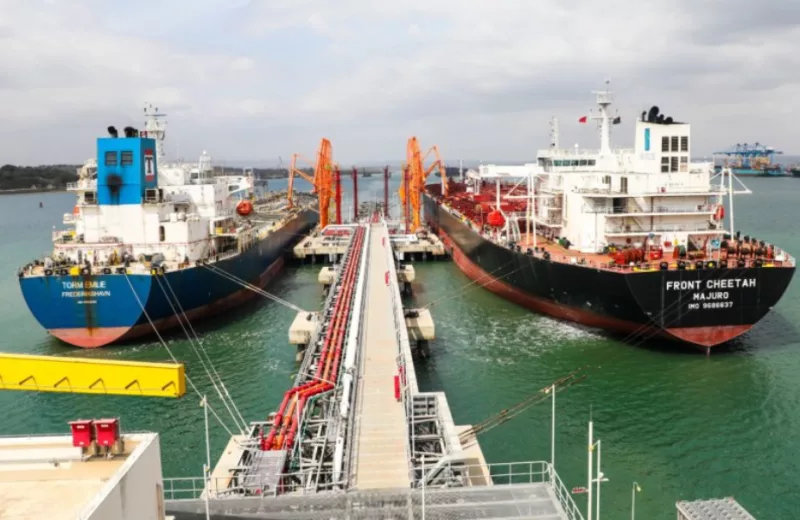
He noted that commercial vessels are increasingly avoiding the Red Sea because of security risks, forcing shipping companies to reroute cargo around the Cape of Good Hope.
The longer voyages have increased freight charges, insurance premiums and delivery times, raising the landed cost of petroleum products imported into Kenya.
Those additional costs are expected to be reflected in EPRA's pricing formula if the current market conditions persist.
Higher fuel prices would have ripple effects across the economy because diesel powers Kenya's transport, logistics and manufacturing sectors.
"Every additional shilling spent on transportation raises the cost of doing business, ultimately making everyday goods more expensive for consumers," Chomba said.
Manufacturers, transporters and small businesses are expected to bear the brunt through higher logistics expenses, more costly imported raw materials and delayed deliveries, with extra costs passed to consumers.
The pressure could also extend to food prices as Kenya imports wheat, edible oils, fertiliser and industrial inputs through shipping corridors currently experiencing disruptions.
Higher freight costs could eventually raise the prices of bread, flour, cooking oil and other essential household commodities.
The expected increase in fuel costs comes at a time when inflation has started rising again after easing slightly in June.
According to the Kenya National Bureau of Statistics, annual inflation rose to 6.5 per cent in July from 6.4 per cent in June, although remaining below the 6.7 per cent recorded in May.
KNBS director general Macdonald Obudho said the increase was largely driven by higher prices in food and non-alcoholic beverages, transport, and housing, water, electricity, gas and other fuels, which together account for more than 57 per cent of household spending.
Transport remained the biggest contributor to inflation, reflecting the continued impact of elevated fuel costs on the movement of people and goods.
Although retail pump prices remained unchanged in July, diesel prices were still nearly 30 per cent higher than a year earlier, while petrol prices had increased by almost 15 per cent over the same period.
Any increase in next week's fuel review is likely to add fresh pressure on household budgets and business operating costs.
Kenya could also face a higher fuel import bill, increasing demand for the US dollar and placing renewed pressure on the shilling.
A weaker currency would make imported goods even more expensive, reinforcing imported inflation.
Chomba said the latest crisis underscores the need for Kenya to reduce its vulnerability to external shocks by expanding strategic petroleum reserves, diversifying fuel import sources and accelerating investments in renewable energy.
"Although Kenya cannot determine the outcome of conflicts in the Middle East or Eastern Europe, it can strengthen its resilience," he said.