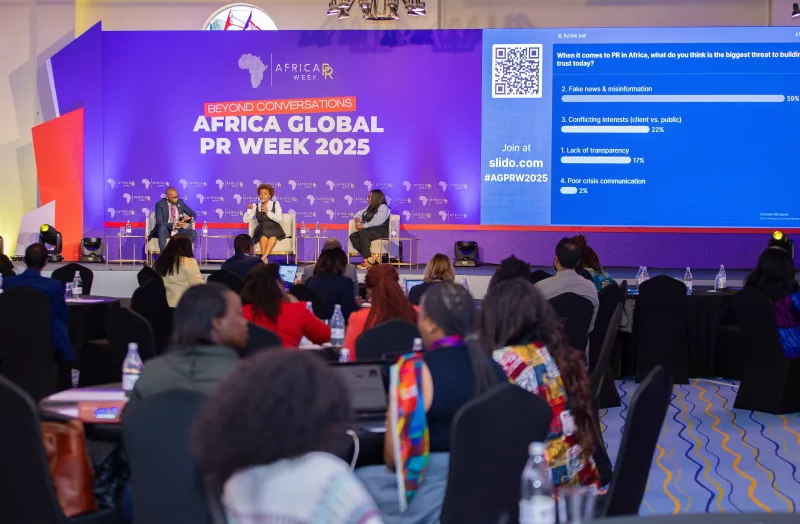
African consumers are being challenged to turn their support for locally made products into actual purchases, with new findings showing a wide gap between what consumers say about supporting African businesses and where they spend their money.
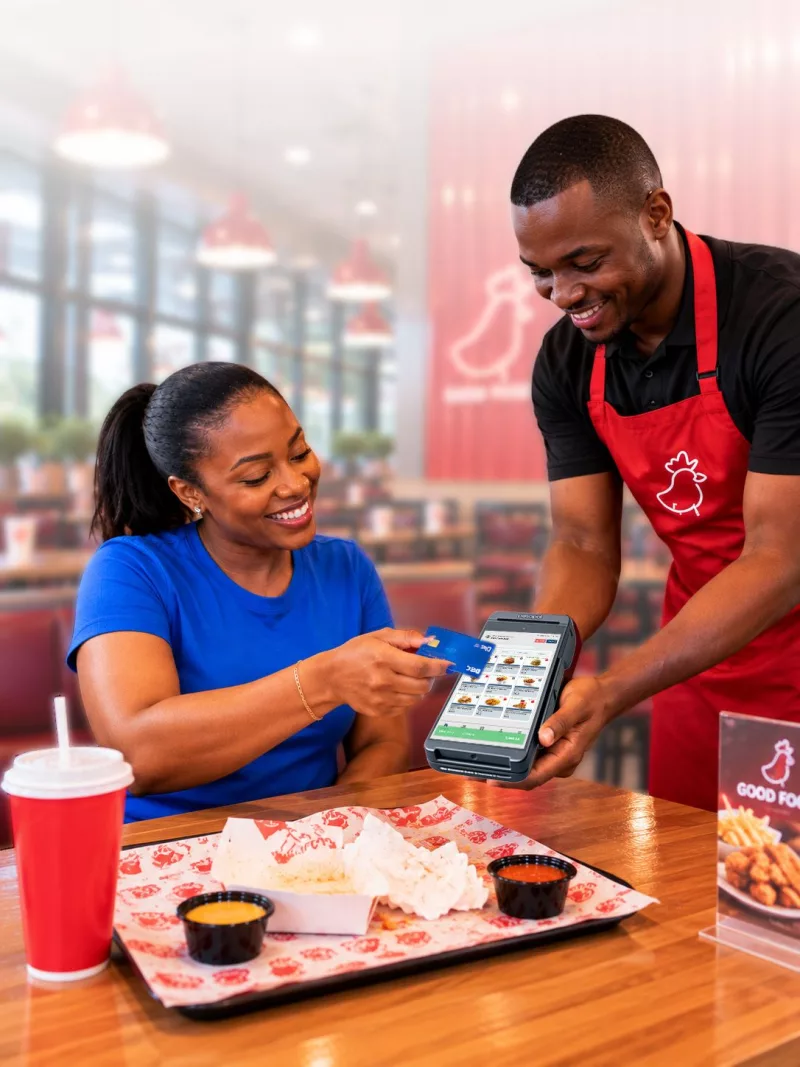
A report presented at an African PR week conference found that 80 per cent of Africans say they support Africa but do not buy African brands, pointing to a major challenge for companies seeking to build globally competitive home-grown brands.
The report targets a 50 per cent growth in African brands uptake, arguing that stronger consumer support is critical to growing the value and influence of African businesses.
The stakeholders, who had convened to explore how strategic communication can redefine the continent’s narrative, reputation, and global influence, said the focus should shift from simply expressing support for African businesses to actually buying their products.
The forum brought together representatives from Kenya, South Africa, Nigeria, Ghana, Cameroon, Rwanda, and Namibia, where delegates convened under the theme "Redefining Africa: Africa as a brand.
“How do we make sure we use numbers to go from 15 per cent to 50 per cent? Make sure that we buy African brands and we actually convert consumers,” said Jimmy Ranamane, General Manager for Global Markets at Brand South Africa
She said communication professionals and businesses have a role in positioning African brands in ways that encourage consumers to choose them, noting that stronger brands ultimately translate into higher revenues.
“We are the ones who tell the stories of our brands. We are the ones who are responsible for positioning these brands for people to consume these brands, and for the brands to increase in their revenue,” she said.
The report also identified the relatively weak global presence of African brands as a concern. Africa currently accounts for 15 per cent of the top 100 most admired brands globally, according to the presentation, with a target of raising this share to 25 per cent by 2030.
The continent also wants businesses built for and made in Africa to achieve more than $100 billion in value by 2030.
For African businesses, however, the challenge is not simply creating more products. Companies must persuade consumers that local brands can compete on quality, reliability, value and innovation.
She added that trust is central to economic growth, making it an important factor in whether consumers and investors choose African businesses.
The conference also linked consumer behaviour to the broader question of how Africa presents itself to the world.
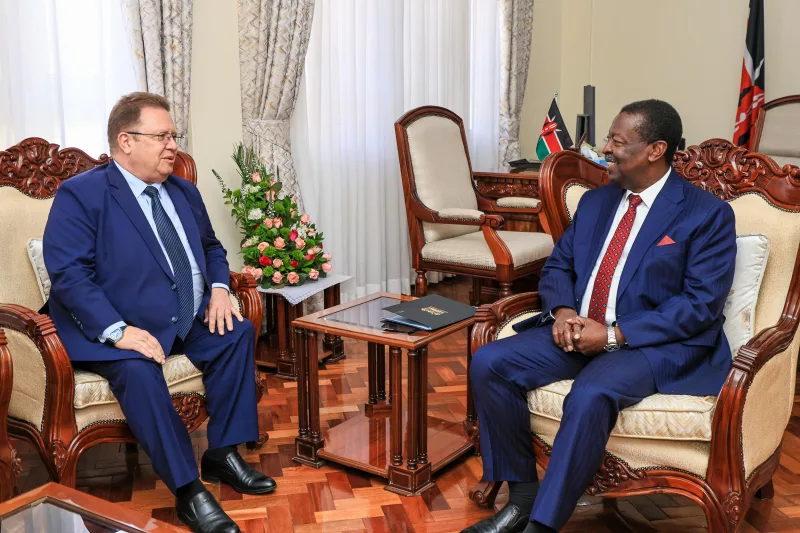
South African High Commissioner to Kenya Salome Zulu Mmola said Africa needs greater coherence in how it presents its values and aspirations, arguing that the continent must take greater ownership of its narrative.
“Africa must not merely have a story. Africa must own its own story. Africa's reputation, governance, tourism, innovation and investment appeal are interconnected, with the way countries and companies are perceived influencing economic decisions,” said Mmola.
President and chairperson of the Council of Nigerian Republic of Nations Ike Neliaku, described Africa as a continent rich in human, natural and financial capital but struggling to convert those advantages into prosperity.
“We are rich with human capital. We are rich with natural capital, but we are also rich with financial capital,” he said.