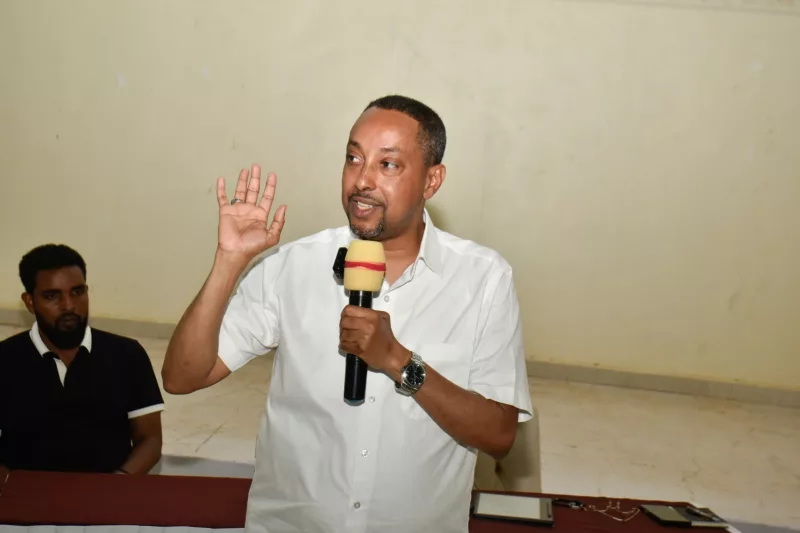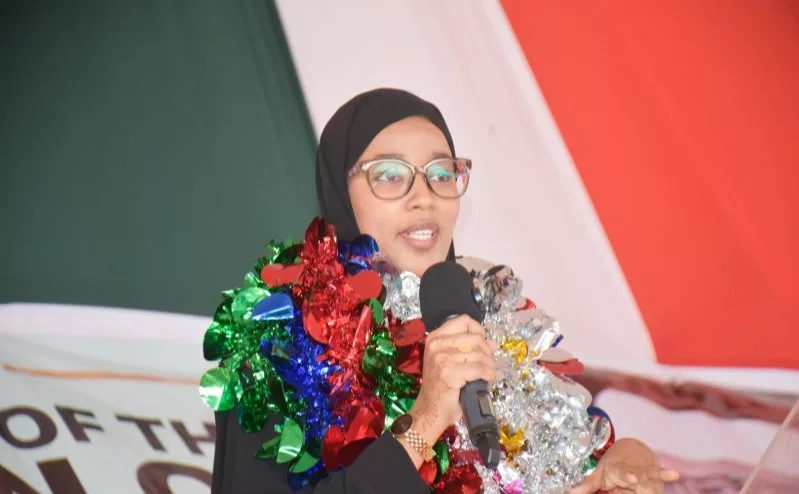
ODM Nominated MP Umulkheir Harun has criticised Garissa Senator Abdul Haji, claiming he is attempting to lock out women from seeking elective seats through negotiations.
Harun wants to run for the Garissa Woman Representative while the senator wants to succeed Governor Nathif Jama.
The MP asked the senator to concentrate on his own bid for the governorship instead of influencing the outcome of the Woman Representative contest.
She said female aspirants should be allowed to compete freely so the electorate decides their preferred leader.
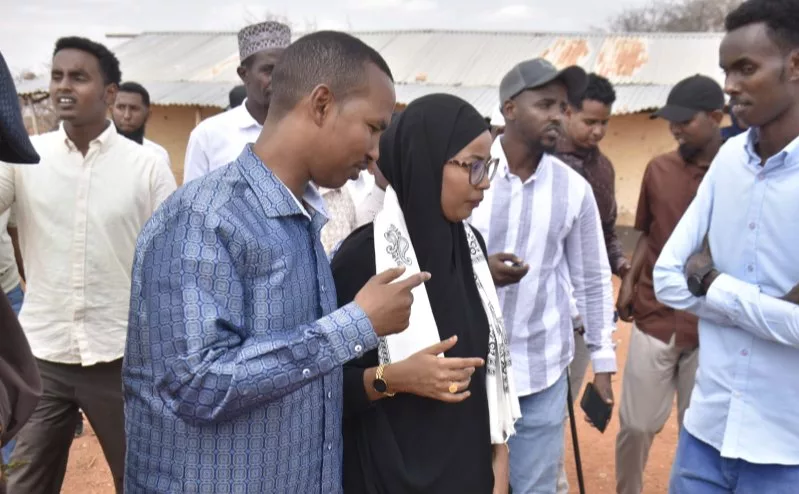
She spoke in Afweine area of Baraki ward in Lagdera subcounty.
She was reacting to remarks by Haji during a women empowerment programme in Modogashe town.
Haji said there was a political arrangement between his Samawadhal clan and Awlihan clan ahead of the 2027 general election.
The deal would see the Samawadhal clan produce a gubernatorial candidate while the Awlihan community would produce, among others, the deputy governor, senator and woman representative.
That deal automatically locks out Harun as she hails from the same community as Haji. She said the arrangement unfairly sidelines women seeking elective office.
"As a sitting MP who came to Parliament through the ODM Party, I have fought for my political space and earned my place in leadership. Today I am seeking the Woman Representative seat with the blessings of many people across Garissa county, and I want to make it clear that no one should decide for the people who deserves to lead them," she said.
While acknowledging the important role elders play in community affairs, Harun maintained that their guidance should not override the constitutional right of citizens to elect leaders of their choice.
"I respect our cultural processes and I appreciate the blessings of our elders, but that does not eliminate the voices of the people. Ultimately, it is the voters who should determine who represents them," she said.
The lawmaker told Haji to keep off the Woman Representative race and instead focus on his own political ambitions.
"My message to the Senator is simple: let young women fight for their political spaces. There are eleven women aspiring for this seat. It is not right to pick one aspirant and elevate her above the rest before the political process has even begun. Go and campaign for your own seat and allow women to campaign for theirs," she said.
She accused some political leaders of using negotiated democracy and clan arrangements to deny women an equal opportunity to compete.
"The era of using negotiated democracy to lock out young women from leadership is over. As women, we will fight for our political space with or without anybody's endorsement as long as the people believe we deserve to serve," she said.
She claimed her quest to become woman rep is not driven by personal ambition alone but by
the need to create more opportunities for women seeking leadership positions.
"I am not speaking only for myself. I am speaking for every young woman contesting this seat. We need more women in leadership if we are to realise the two-thirds gender principle. Leadership should be earned through the ballot, not predetermined through political arrangements," she added.
While counties in Northeastern have often practised negotiated democracy, elections do not strictly follow such arrangements.
Harun cited the 2013 election when Jama was elected governor with Woman Representative Shukran Gure also coming from the same clan. A similar scenario was witnessed in 2017 when Ali Korane became governor and Anab Gure was elected Woman Representative.
"If history is anything to go by, why should things suddenly change when women from your own community are seeking the seat? You cannot disqualify capable women because of individual political interests," she said.
The legislator said she was ready to face her competitors at the ballot, adding that she would respect the will of the electorate regardless of the outcome.
She also reiterated her long-term commitment to advancing women's leadership, saying she does not intend to make the affirmative action seat a permanent political destination.
"By the grace of Allah, if I am elected Woman Representative and serve successfully, I will seek another elective position in 2032 instead of returning to the affirmative action seat. That is how we create room for more women to rise."
She urged young people to elect leaders based on their record and commitment to public service rather than clan arrangements.
"My message to the youth is to vote for leaders who will speak for your interests. My work speaks for itself. I have consistently defended human rights both inside Parliament and outside, and I will continue fighting for the people of Garissa," she said.
Instant analysis
Harun's remarks expose the growing tension between negotiated democracy and constitutional democracy as political alignments for the 2027 General Election gather pace in northern Kenya. While clan-based power-sharing has often been used to manage competition and promote stability, critics argue it can limit voter choice and disadvantage women and young aspirants. By challenging Senator Haji's reported political arrangement, Harun is framing the contest as one between elite negotiations and the electorate's right to decide. The dispute also highlights the broader struggle to increase women's representation, with affirmative action seats increasingly viewed as stepping stones rather than permanent political positions.
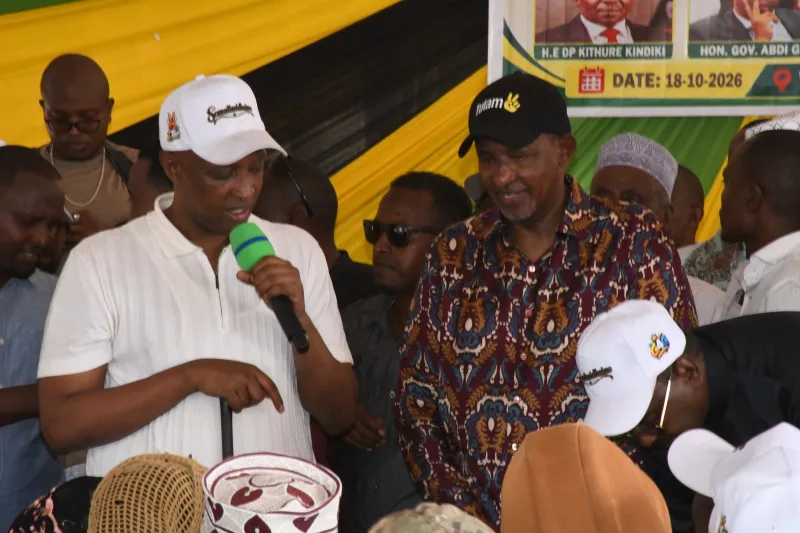
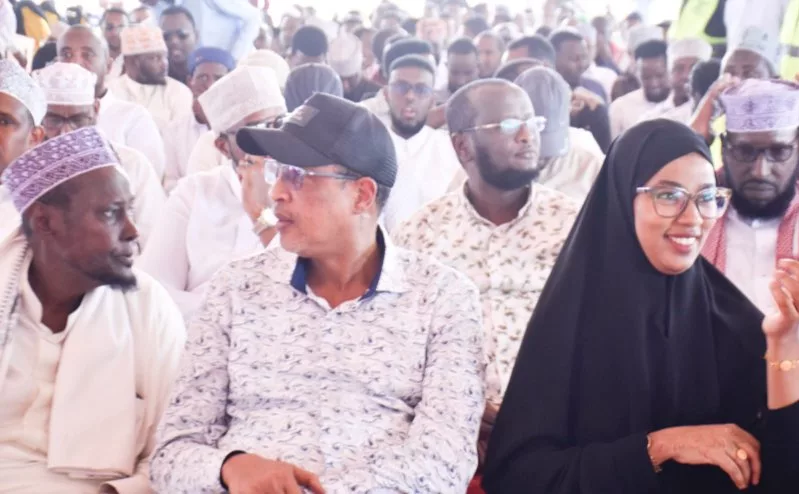 ODM nominated MP
and Garissa Woman Representative aspirant Umulkheir Harun with other
leaders from Garissa county at the event. /STEPHEN ASTARIKO
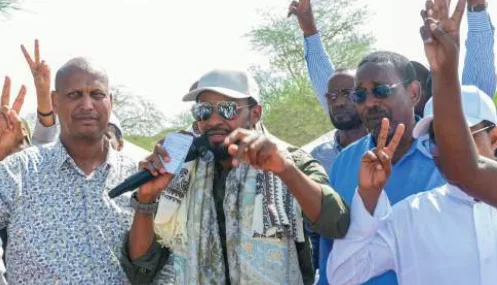
ODM nominated MP
and Garissa Woman Representative aspirant Umulkheir Harun with other
leaders from Garissa county at the event. /STEPHEN ASTARIKO
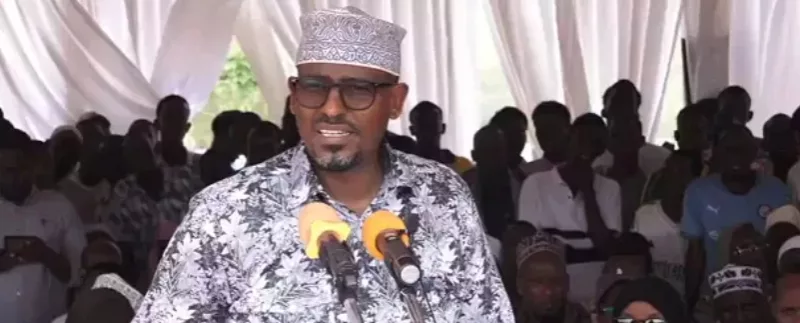
 ODM nominated MP
and Garissa Woman Representative aspirant Umulkheir Harun interacts with
her supporters in Afweine, Modogashe, Garissa county./STEPHEN ASTARIKO
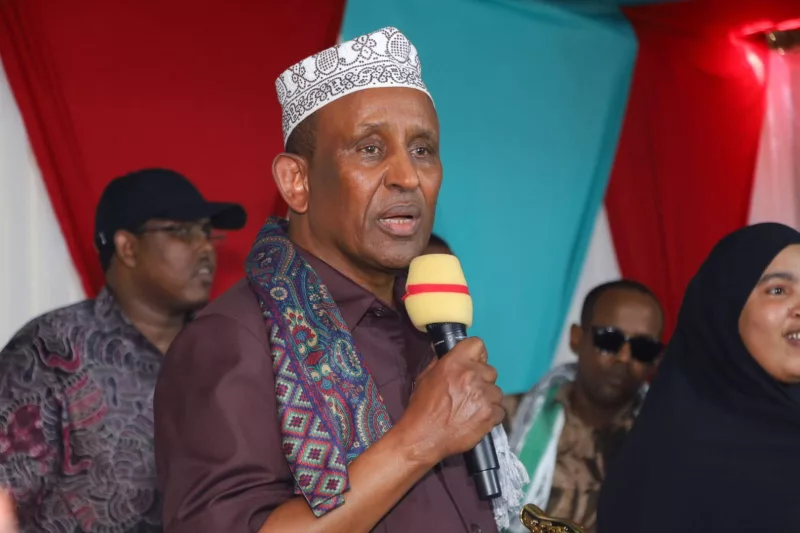
ODM nominated MP
and Garissa Woman Representative aspirant Umulkheir Harun interacts with
her supporters in Afweine, Modogashe, Garissa county./STEPHEN ASTARIKO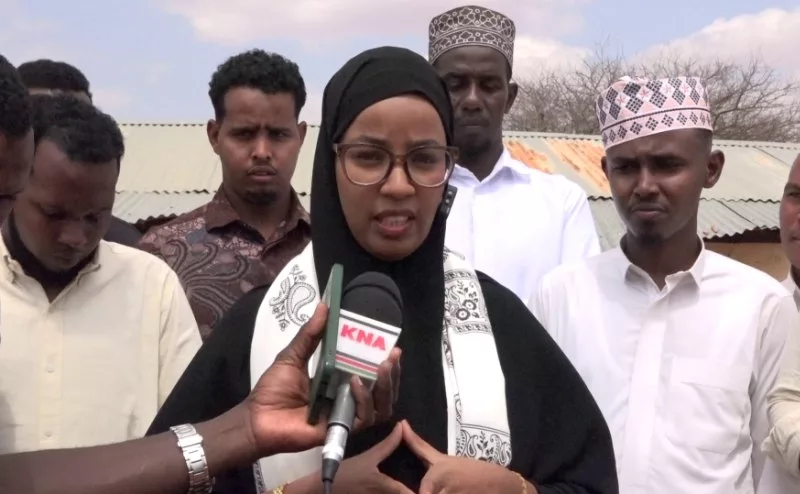 ODM nominated MP
and Garissa Woman Representative aspirant Umulkheir Harun speaking to the
press./STEPHEN ASTARIKO
ODM nominated MP
and Garissa Woman Representative aspirant Umulkheir Harun speaking to the
press./STEPHEN ASTARIKO
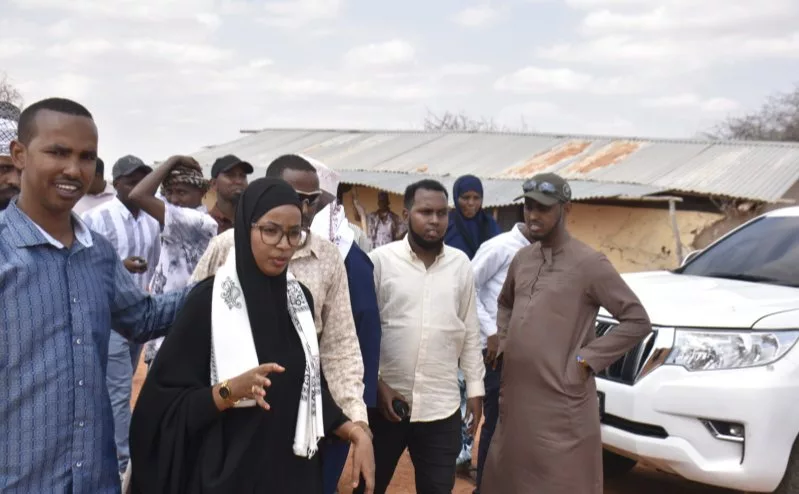 ODM nominated MP
and Garissa Woman Representative aspirant Umulkheir Harun interacts with
her supporters in Afweine, Modogashe, Garissa county./STEPHEN ASTARIKO
ODM nominated MP
and Garissa Woman Representative aspirant Umulkheir Harun interacts with
her supporters in Afweine, Modogashe, Garissa county./STEPHEN ASTARIKO