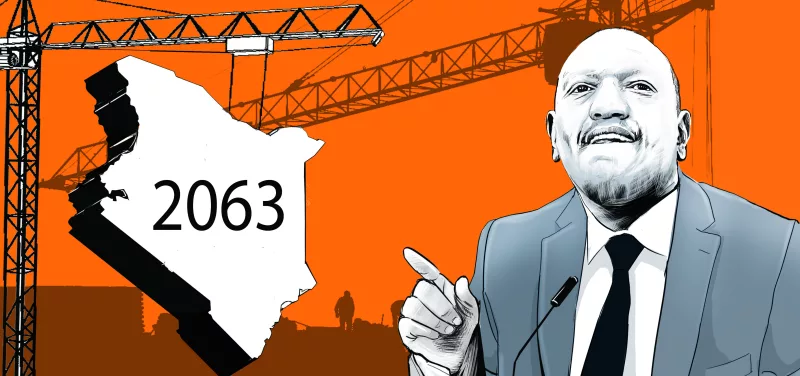
The President's central argument is compelling: Kenya has repeatedly failed to capitalise on global economic transformations, falling behind peers once at similar starting points. The comparison with South Korea, both at $110 GDP per capita in 1965, now at $36,000 versus $2,400, is sobering. Vietnam, which has more than doubled Kenya's per capita income despite being half our level in the 1990s, adds urgency.
This historical framing acknowledges national shortcomings without assigning blame. The constitutional grounding is particularly noteworthy. By anchoring the development agenda in Article 43's economic and social rights, the head of state elevates development from policy preference to constitutional imperative. His question, what accessible housing, quality healthcare and adequate food should mean in practice, moves us from abstract rights to measurable outcomes.
The establishment of the National Infrastructure Fund and Sovereign Wealth Fund represents institutional thinking Kenya has historically lacked. These mechanisms could address sustainable infrastructure financing and intergenerational equity. The claimed stabilisation achievements, currency stability, inflation reduction, $15 billion in reserves and record $3.2 billion foreign direct investment provide a foundation for the next phase.
Kenya's ranking as Africa's most competitive economy, while subject to debate, signals improved perceptions. The address correctly identifies Kenya's comparative advantages: a young population, strategic minerals, renewable energy potential and expanding markets. The recognition that Africa is becoming the next frontier of global growth positions Kenya to lead.
However, the address has attracted criticism. Some describe the proposed national conversation as a diversion from governance shortcomings, arguing the administration should focus on rule of law and insecurity. Others contend Kenyans want immediate solutions, not long-term promises. There is a view that the framework is a political strategy to divert attention from pressing challenges, with timing questioned as potentially seeking to bolster reelection prospects.
Some analysts argue Kenya suffers not from a shortage of visions but from a lack of disciplined implementation; execution, not planning. Questions persist about whether the next plan will escape the old development imagination, and whether citizens will become co-authors or merely audiences.
Several considerations merit attention. Ambitious goals require commensurate resources, yet the address is light on financing details. Kenya's debt situation remains a constraint, limiting fiscal space for growth. The commitment to transcend electoral cycles faces political reality—Kenya's system has struggled with policy continuity, and the 2027 election will test the vision's survival.
Ruto’s special address to the nation reframes the political competition constructively, suggesting that democracy should focus on the implementation of ideas. However, political competition should also encompass fundamental questions about national priorities. The commitment to include every county is welcome, yet alignment between national vision and county development plans remains essential.
The address represents a serious attempt to elevate Kenya's development conversation beyond short-term politics. The historical self-reflection is honest, the constitutional grounding sound and institutional innovations thoughtful. The vision of Kenya becoming a prosperous, high-income, industrialised nation within one generation is ambitious but achievable.
The success of this vision depends on genuine inclusivity, credible financing, institutional sustainability and continued macroeconomic stability. Kenyans should engage in good faith, offering ideas, holding leaders accountable and demanding concrete commitments and accountability from their leaders.
The constitutional promise of social rights has remained largely aspirational. This is an opportunity to translate it into lived reality. The defining question is not whether the President has the right vision, but whether Kenya can build the collective will to achieve it. History will judge this generation by the quality of our institutions and the prosperity we bequeath to our children.
Strategic adviser and expert in leadership and governance.