The country's two biggest political parties are split on a law proposed by IEBC to resolve the two-thirds gender debacle in Parliament.
The Election Laws (Amendment) Bill, 2026 requires every political party to ensure that not more than two-thirds of its MP candidates are of the same gender.
"Each political party shall ensure that not more than two-thirds of the candidates of the political party submitted to the commission in a general election for parliamentary elections are of the same gender," the proposed law reads.
It means political parties would have to balance their candidate lists before presenting them to the Independent Electoral and Boundaries Commission.
The lists will be among the checklists for parties’ compliance in next year’s general election if the law is enacted.
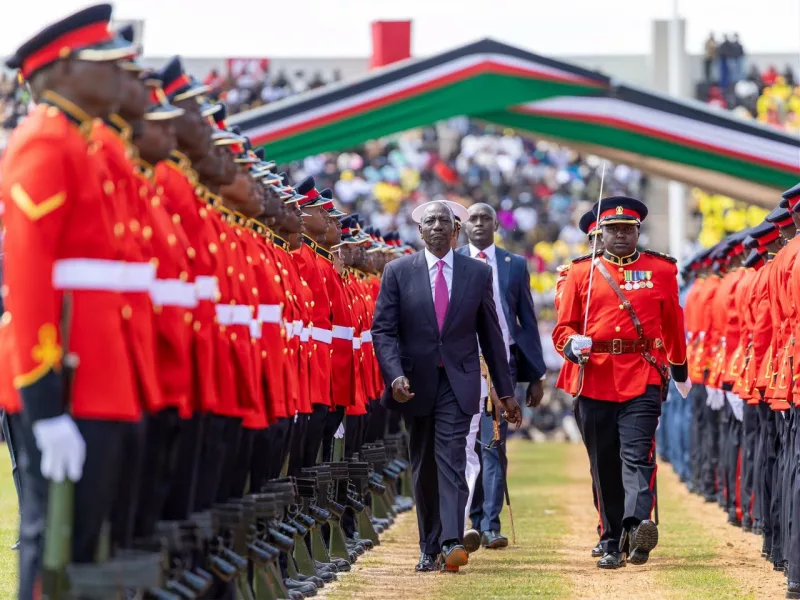
Ruling party UDA has embraced the proposal as a long-awaited solution to one of country’s biggest constitutional challenges.
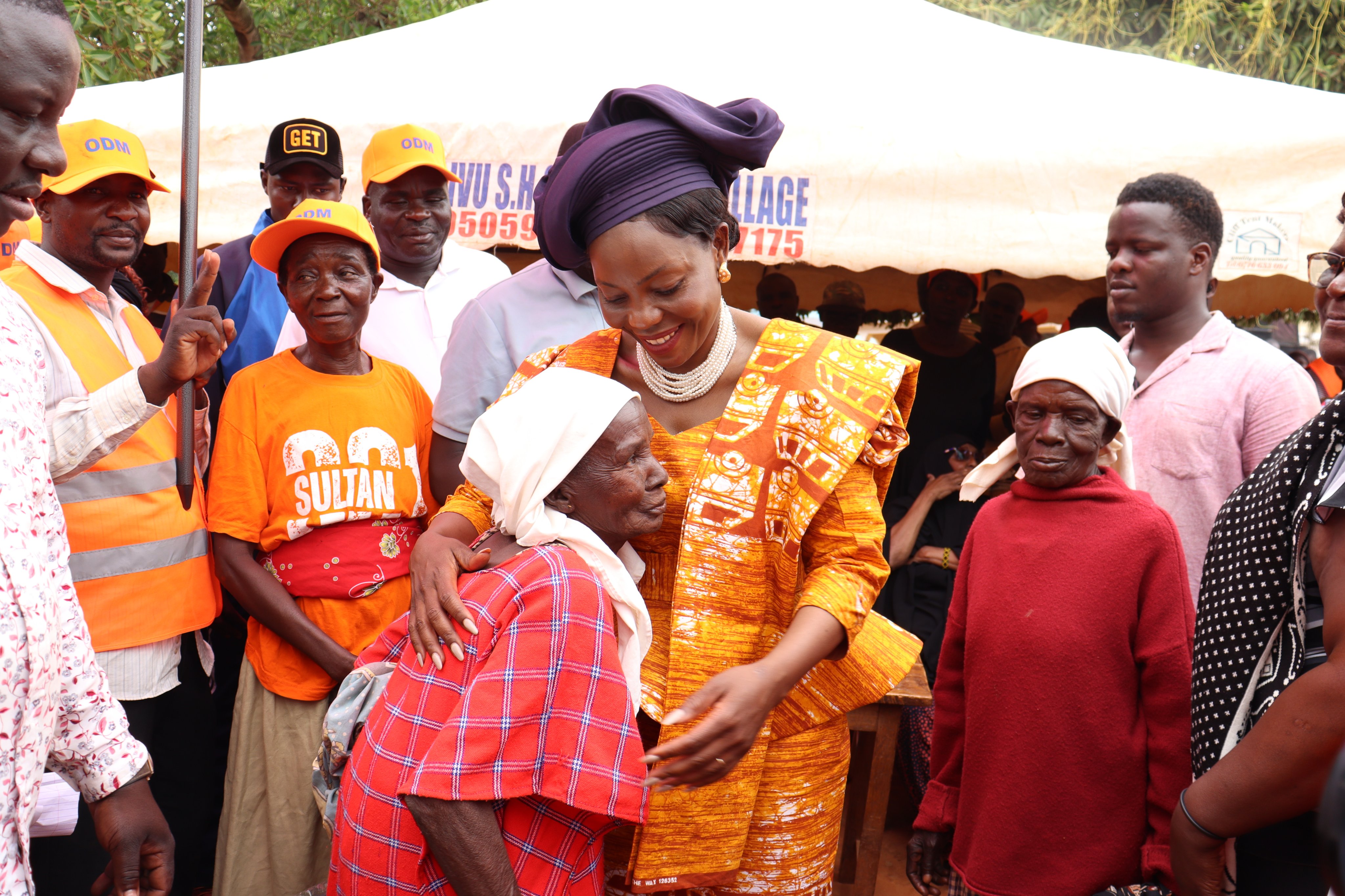
ODM has for its part, however, warned that the reforms could trigger fresh court battles and complicate party nominations.
ODM says the proposal could present constitutional and practical challenges during implementation.
Acting aecretary general Catherine Omanyo said the proposal was not entirely new, noting that it stemmed from the Katiba Institute v IEBC case.
In the matter, the High Court directed political parties to submit gender-balanced lists for candidates participating in the 2022 General Election.
She, however, warned that translating the principle into party nominations may not be straightforward.
“Though this is one way of realising the two-thirds gender goal, the approach is bound to face challenges,” Omanyo said.
She told the Star that one challenge would be the possibility of effectively zoning some constituencies for women candidates.
The acting SG argued such a move could infringe on the constitutional guarantees for every citizen to vie for elective office without unreasonable restrictions.
She also said parties could find themselves compelled to deny nomination certificates to candidates who legitimately win party primaries.
Another concern, she said, is that parties have no way of predicting which of their candidates will eventually win parliamentary seats, making compliance difficult in elective positions.
"There is also the risk of disenfranchising voters where parties are prevented from fielding their preferred candidates due to gender requirements," Omanyo said.
UDA, however, has thrown its weight behind the reforms.
Secretary general Hassan Omar described the proposal as a progressive legal option that finally settles the matter that has remained unresolved for 16 years.
He said UDA has consistently supported legislation aimed at implementing the two-thirds gender principle. He cited previous constitutional amendment Bills sponsored by former Majority Leader Aden Duale (now Health CS) and Ainabkoi MP Samuel Chepkonga.
Omar said the party had also complied with gender requirements through county assembly top-up nominations after the 2022 elections.
He added that UDA remains committed to achieving the constitutional threshold through its nomination processes ahead of the 2027 polls.
"The party is committed to achieving the two-thirds gender principle through its nomination processes while ensuring that both women and men have equal opportunities to participate and contest for elective positions," he said.
UDA boasts the highest number of women representation in governor, senator, and MP seats.
The IEBC proposal seeks to implement a constitutional requirement that has remained unmet since the 2010 Constitution came into force.
Parliament has unsuccessfully debated numerous bills seeking to operationalise the two-thirds gender rule.
Former Chief Justice David Maraga in 2020 advised then President Uhuru Kenyatta to dissolve Parliament over its failure to enact the required legislation.
The issue also featured prominently during the National Dialogue Committee (NADCO) talks.
Its report identified implementation of the gender principle as one of the outstanding electoral reforms requiring legislative action before August next year.
The reforms have been hailed by gender rights advocates as a practical way of implementing Articles 27 and 81 of the Constitution.
The law requires that no more than two-thirds of members of elective and appointive bodies be of the same gender.
While previous proposals relied on creating additional nominated seats after elections, the current bill seeks to increase the number of women elected directly.
The proposed dispensation would require political parties to strike a balance in the sexes of the candidates – at nomination.