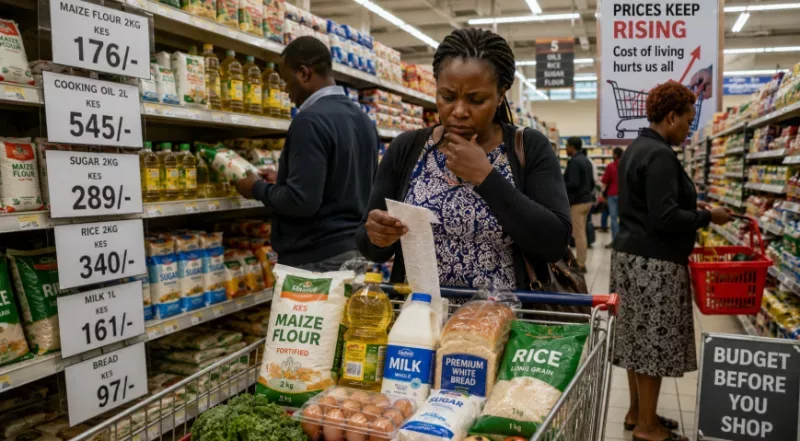
Kenya's economy is showing encouraging signs of recovery. Inflation has eased, the shilling has strengthened and growth forecasts remain positive. These gains deserve recognition.
Yet for millions of Kenyans, the recovery exists only on paper. The cost of food, fuel, transport and other essentials remains stubbornly high, leaving households struggling to make ends meet. Economic growth has little meaning if it is not reflected in people's daily lives.
Global uncertainty, including geopolitical tensions and supply chain disruptions, could push prices even higher, making it even more urgent to protect consumers from rising living costs.
The government must now shift its focus from stabilising the economy to ensuring that ordinary citizens benefit from that stability. That means keeping inflation under control, promoting affordable fuel prices, supporting local food production to reduce reliance on imports and improving public transport to ease commuting costs. Tax policies should also protect households already under financial pressure.
Businesses, too, have a responsibility to avoid unjustified price increases and improve efficiency so consumers can share in the benefits of a stronger economy.
The true measure of economic success is not stronger statistics but better lives. Recovery will only be complete when families can comfortably afford food, educate their children and meet daily expenses with dignity.