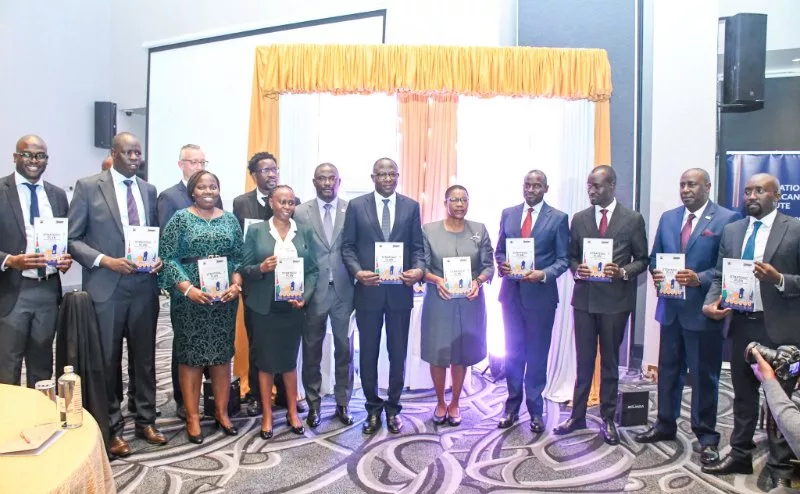
Participation of women, youth and persons with disabilities is set to rise dramatically in the 2027 general election.
This comes as the Office of the Registrar of Political Parties (ORPP) launched a three-year strategic plan that places groups at the centre of the electoral reform agenda.
The ORPP plan sets an ambitious target of 80 per cent participation for the historically marginalised groups.
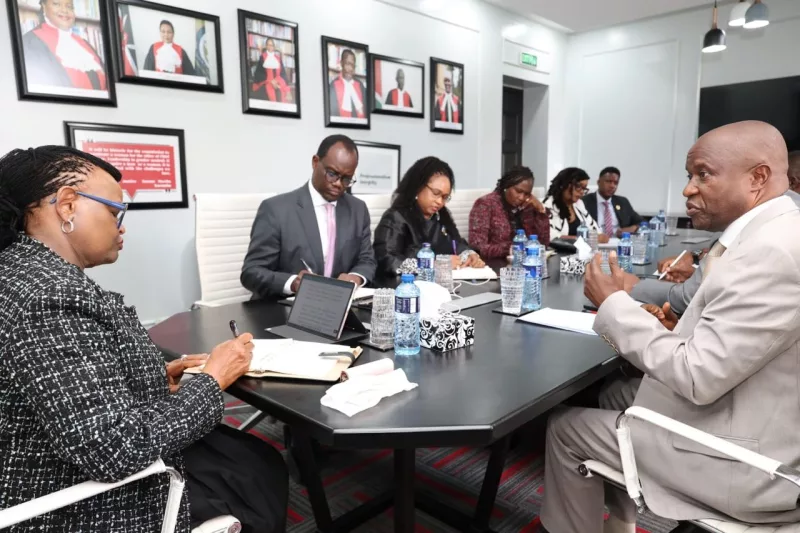
The 2025–28 strategic plan, unveiled in Nairobi on Thursday at a ceremony presided over by Attorney General Dorcas Oduor, identifies inadequate participation of special interest groups (SIGs)in political processes as a core strategic challenge requiring urgent intervention.
The AG said the launch of the strategic plan reaffirms the country's collective responsibility to strengthen democratic institutions and processes.
The framework aims to raise SIGs participation from 60 per cent in 2022 to 80 per cent by 2027, backed by mandatory compliance requirements for political parties and dedicated funding exceeding Sh100 million for civic education and sensitisation.
Speaking at the launch, Registrar of Political Parties John Lorionokou underscored the centrality of political parties to democratic governance.
"Political parties are the blood of our democracy and dictate the quality of our national leadership," he said.
Lorionokou added that the plan is "designed to institutionalise order, demand accountability and ensure our regulatory environment keeps pace with the pace and aspirations of the people of Kenya".
The strategic plan addresses specific barriers that have historically excluded women, youth and PWDs from political participation, including limited representation in party leadership structures, inadequate civic education reaching grassroots communities and weak enforcement of constitutional provisions requiring inclusivity.
To counter these obstacles, the ORPP will enforce compliance with the two-thirds gender rule within political party structures and mandate the inclusion of PWDs and youth in party governance.
All political parties must achieve 100 per cent compliance with governance and membership frameworks that support SIG representation by 2028.
IEBC chairperson Erastus Ethekon, who attended the launch, said the occasion was particularly meaningful as it followed the commission's own strategic planning for the 2027 election.
"These frameworks set the commission's strategic and operational direction as we continue with preparations for the 2027 general election.
“They also reaffirm our commitment to working closely with key institutions, including the ORPP, to strengthen every stage of the electoral process," he said.
Ethekon emphasised that delivering a free, fair, credible and peaceful election in 2027 “is a shared responsibility that requires sustained collaboration, mutual accountability and collective commitment from every institution".
The ORPP has allocated Sh38.25 million for national and grassroots sensitisation forums specifically targeting women, youth and PWDs within political parties, with an additional Sh21 million for broader public outreach.
These funds will support nationwide capacity-building programmes already underway, including grassroots engagements in counties across the country.
The ORPP has also held discussions with partners such as Siasa Place to strengthen interventions on SIGs participation in political processes.
Lorionokou said the plan represents both a reflection on the institution's progress and a clear vision for the future."For ORPP, this is both a reflection and focus on where we are going."
The third strategic plan builds on lessons learned from the 2022 general election and responds to recommendations from the ORPP post-election evaluation report.
Beyond sensitisation, the agency will conduct quarterly compliance audits and capacity-building programmes to ensure party structures reflect Kenya's constitutional commitment to inclusivity.
The strategy also prioritises digital transformation, including the expansion of the Integrated Political Parties Management System to digitise services and enhance transparency in membership registers.
The framework aligns with constitutional provisions including Article 27(3), which guarantees women and men equal opportunities in political spheres and Article 91, which requires political parties to abide by democratic principles of good governance and respect the rights of all persons to participate in political processes.
Instant analysis
The ORPP's strategy signals a shift from simply advocating inclusion to attempting to enforce it through compliance measures, funding and oversight. If implemented effectively, it could help reduce the long-standing underrepresentation of women, youth and persons with disabilities in party leadership and elective politics.
However, the real test will not be the strategic targets but political parties' willingness to embrace reforms beyond paper commitments. Previous constitutional requirements, including the two-thirds gender rule, have faced implementation challenges. Success will therefore depend on consistent enforcement, adequate funding and sustained political goodwill in the run-up to the 2027 general election.