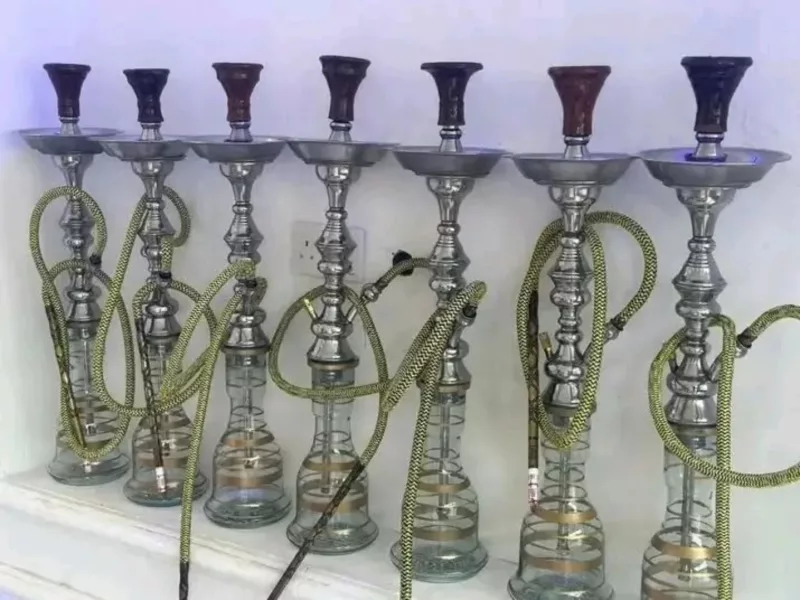
The High Court has lifted Kenya’s ban on shisha, marking a major legal victory for businesses and individuals who have long challenged the government’s decision to outlaw the product.
In its ruling, the court declared that the continued enforcement of the ban was unlawful and unconstitutional after finding that the government failed to regularise the necessary regulations within the legally prescribed timeframe.
The decision effectively quashes the ban that has been in place since 2017, reopening the door for the legal use, sale, and consumption of shisha in Kenya.

Read Also
Why the Court Ruled Against the Ban
According to the judgment, while the government had the authority to introduce regulations concerning public health, it was required to follow the legal procedures set out under Kenyan law.
The court found that the regulations underpinning the ban were never properly regularised within the period required by law. As a result, the legal basis for continuing to enforce the prohibition ceased to exist.
The ruling emphasises that government agencies must comply with constitutional and statutory requirements when introducing regulations that limit individual freedoms or commercial activities.
What the Decision Means
With the ban now quashed, shisha is once again legal in Kenya unless fresh regulations are lawfully enacted.
The ruling means businesses such as restaurants, lounges, bars, and entertainment venues may be able to resume offering shisha, subject to any other applicable health, licensing, or county regulations.
For consumers, the judgment removes the blanket prohibition that had prevented the sale and use of shisha across the country.
A Ban That Lasted Nearly a Decade
Kenya introduced the nationwide ban on shisha in 2017 as part of efforts to protect public health, particularly among young people.
At the time, the Ministry of Health argued that shisha smoking posed serious health risks and that misconceptions about it being safer than cigarettes had contributed to its growing popularity.
The ban prohibited the manufacture, importation, sale, promotion, and use of shisha, with enforcement carried out by public health officials and law enforcement agencies.
Mixed Reactions Expected
The High Court’s decision is likely to spark mixed reactions.
Business owners in the hospitality and entertainment sectors may welcome the ruling, saying it restores a source of revenue that disappeared after the ban was introduced.
On the other hand, public health advocates are expected to raise concerns about the potential impact of increased shisha use, especially among young adults, and may continue pushing for stricter regulation rather than an outright prohibition.
What’s Next?
The judgment does not prevent the government from regulating shisha in the future. However, any new restrictions or prohibition would need to comply fully with the Constitution and the legal procedures governing the making of regulations.
For now, the High Court’s ruling brings an end to one of Kenya’s most debated public health bans, reaffirming that even government policies aimed at protecting public health must be implemented within the framework of the law.