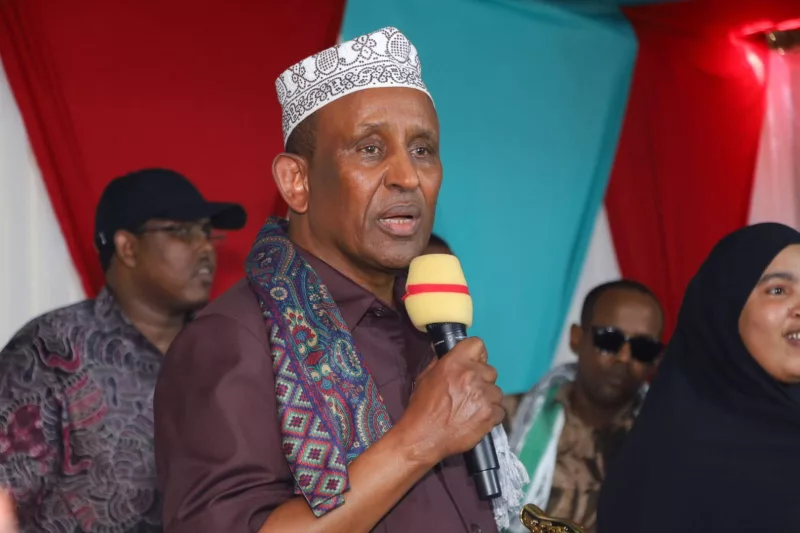
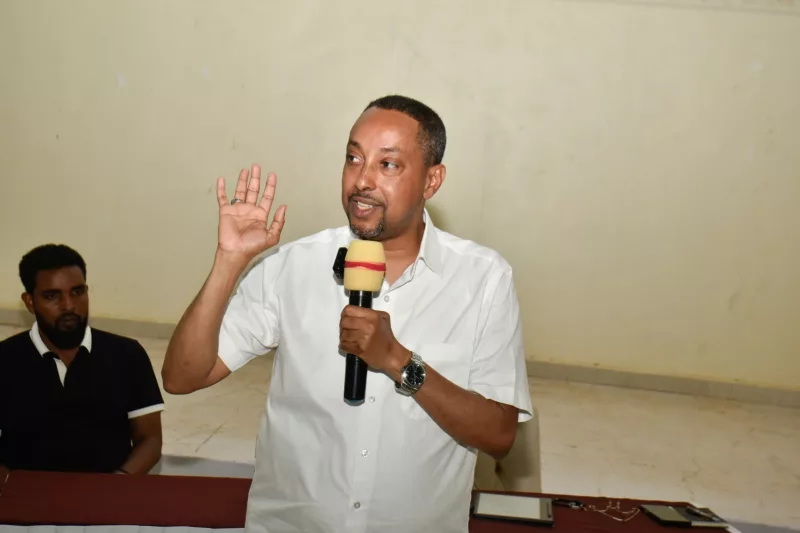
 MCA Abakaile Ward in Dadaab Sub-County, Hajir Mohamed Dahiye
The elected Member of County Assembly (MCA) for Abakaile Ward in Dadaab Sub-County, Hajir Mohamed Dahiye, has raised concerns over persistent insecurity along the Kenya–Somalia border following an Al-Shabaab attack in his ward two days ago.
He called for stronger measures to address militant activity originating from across the frontier.
Mr Dahiye said communities in parts of Garissa County continue to face security threats from Al-Shabaab militants operating from Somalia.
He also claimed that the Jubaland administration has not done enough to secure areas under its jurisdiction and prevent militants from crossing into Kenya.
He argued that the latest attack demonstrates the close connection between security in northeastern Kenya and developments in Somalia's Jubaland region, particularly areas of Middle Jubba that he said remain under Al-Shabaab control.
"Kenya cannot achieve lasting security along the border while large areas across the frontier remain under the control of Al-Shabaab," the MCA said.
He called on the Kenyan government to reassess its policy towards Jubaland and place greater emphasis on the security and governance of territories bordering Kenya.
The county politician also spoke about what he described as the humanitarian consequences of prolonged Al-Shabaab control in parts of Middle Jubba.
He alleged that families living in areas controlled by the militant group have faced severe social pressures and abuses, including the recruitment of boys into armed groups and the forced marriage of young girls to foreign fighters.
According to Mr Dahiye, many families have fled Middle Jubba and surrounding areas over the years and sought refuge in Kenya's Dadaab refugee camps.
The MCA was also critical of Jubaland President Ahmed Mohamed Islam, commonly known as Ahmed Madobe.
He claimed the Jubaland administration had been unable to effectively address the security and governance challenges facing the region or neighbouring Kenyan communities.
Mr Dahiye called for a broader review of Kenya's approach towards Jubaland, arguing that Nairobi's security policy should recognise that instability in southern Somalia has direct consequences for Garissa and other Kenyan border counties.
He proposed closer cooperation with the Federal Government of Somalia in efforts to recapture Middle Jubba, which he described as one of Al-Shabaab's key remaining strongholds.
He also called for efforts to remove the militant group from Bu'aale, the administrative capital of Jubaland, and other parts of Middle Jubba that he said have remained outside government control for years.
According to the MCA, restoring government administration and security in Middle Jubba would not only benefit communities in Somalia but could also strengthen Kenya's border security, reduce opportunities for militant infiltration and create conditions that would allow displaced families to eventually return home.
His remarks add to growing concerns among some political and community leaders in Garissa over recurring insecurity along the border and the extent to which Kenya's security interests are linked to political and security developments in Jubaland.
For communities in Dadaab and other border areas, Mr Dahiye said the issue is no longer solely an internal Somali security matter. He argued that efforts to improve security and stability across the border should form part of a broader strategy to protect Kenyan communities from recurring Al-Shabaab attacks.