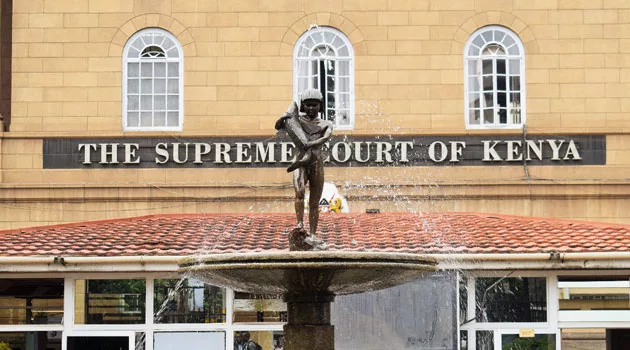
Survivors of the 2007-08 post-election sexual violence have urged the Supreme Court to end nearly two decades of exclusion from justice and reparations, saying they have been left behind while other victims of political violence have received recognition and compensation.
The appeal, filed as Supreme Court Petition No. E041 of 2025, comes nearly 13 years after the survivors first moved to court seeking constitutional protection and accountability for violations committed during the post-election violence.
According to the petitioners, children born as a result of the 2007-08 post-election sexual violence have now turned 18 while their mothers continue to wait for justice.
The case challenges the State's alleged failure to prevent, investigate and prosecute widespread sexual violence committed during the post-election violence, as well as its failure to provide survivors with effective remedies.
The petitioners argue that survivors of conflict-related sexual and gender-based violence have consistently been excluded from national reparations programmes, despite suffering some of the gravest human rights violations.
“Whenever Kenya has recognised, compensated, and restored victims of political violence, survivors of sexual and gender-based violence have repeatedly been left behind. Before the Supreme Court, the survivors highlighted the disparity in the State continuing to recognise some victims of political violence while excluding survivors of sexual and gender-based violence from justice, reparations, and constitutional protection,” the statement read.
They want the Supreme Court to determine whether survivors of sexual violence are entitled to the same constitutional protections, recognition and reparations already extended to other victims of political violence.
A key issue before the court is a Court of Appeal decision that upheld compensation for four survivors whose attacks were linked to State security officers or had been formally reported to police, while denying compensation to four others who were assaulted by civilian militias or did not report the attacks during the violence.
The petitioners argue that this creates an unconstitutional hierarchy of victims by making compensation dependent on the identity of the perpetrator or whether survivors were able to report crimes during a period of widespread insecurity and trauma.
They are also asking the Supreme Court to adopt international human rights due diligence standards instead of a narrow civil negligence test in determining State responsibility for protecting citizens from sexual violence.
The appeal argues that once it has been established that the State had prior intelligence and knowledge of impending violence, the burden should shift to the government to demonstrate what preventive measures it took to protect citizens.
The petitioners also contend that survivors should not be denied constitutional remedies because they failed to report crimes while violence was ongoing, citing trauma, insecurity and alleged police complicity.
The case also seeks to hold the Independent Policing Oversight Authority (IPOA) accountable for failing to investigate historical cases of police misconduct linked to the 2007-08 violence.
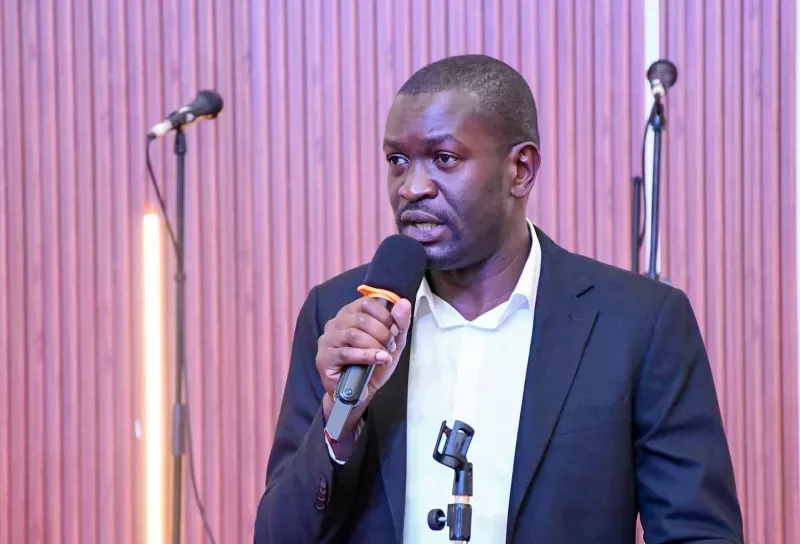
Lawyer Willis Otieno said survivors continue to be denied effective remedies more than a decade after the violence.
"The lack of effective remedies continues to date. No investigations have ever commenced 13 years later. Constitutional accountability cannot be conditional on expecting traumatised survivors to perform impossible tasks while state security organs stood by," he said.
The petitioners are seeking compensation, rehabilitation, public acknowledgement, an apology and institutional reforms to address historical injustices.
They argue that the case comes at a critical time as Kenya develops a national compensation framework through the Presidential Working Group on the Establishment of a Framework for the Management of Claims and Compensation chaired by Professor Makau Mutua.
According to the petitioners, the framework should explicitly recognise survivors of conflict-related sexual and gender-based violence to ensure they are not excluded from future reparations programmes.
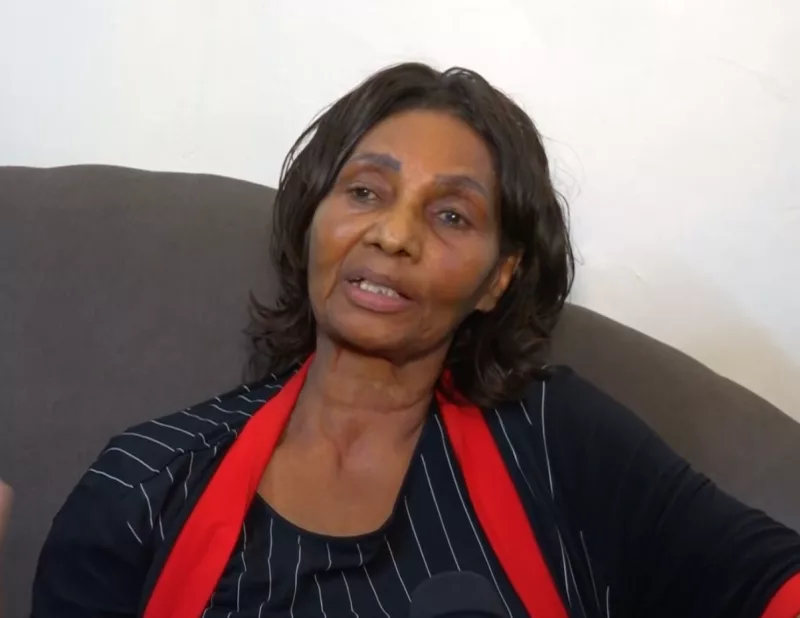
One survivor said she hoped the case would finally deliver justice after years of waiting.
"I have carried this pain for many years. I pray that this case will finally bring justice, not only for me, but for all survivors who have been waiting to be seen and heard," she said.
Another survivor called on the court to acknowledge her experience.
"All I have ever wanted is for someone to acknowledge what happened to us and to believe me. The lower courts may have doubted my experience, but I hope this Court will finally give us the justice we have waited so long for," she said.
The petitioners have also called on the government to end the exclusion of survivors of conflict-related sexual and gender-based violence from national reparations programmes, implement survivor-centred reparations, and strengthen accountability for institutions responsible for investigating such violations.
They urged the Judiciary to prioritise constitutional human rights cases involving survivors of sexual and gender-based violence and address delays that continue to deny victims timely access to justice.
The petition has been brought by eight survivors alongside the Coalition on Violence Against Women (COVAW), the Independent Medico-Legal Unit (IMLU), the Kenyan Section of the International Commission of Jurists (ICJ Kenya), Physicians for Human Rights (PHR), with support from interested parties including Utu Wetu Trust and the Kenya Human Rights Commission (KHRC).