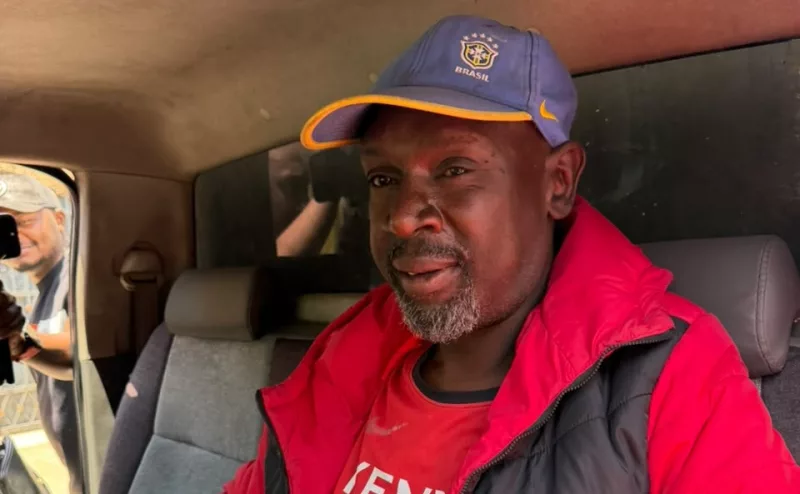
New Life Prayer Centre and Church founder Pastor Ezekiel Odero has publicly apologised to Kenyan musician Kevin Kioko, popularly known as Bahati, following defamatory remarks made by a congregant during a church service.
The apology came after a young gentleman, while giving a testimony before the congregation, accused Bahati of being involved in killings and organ harvesting. The claims, made without evidence, quickly spread on social media, triggering widespread reactions.
Pastor Ezekiel distanced himself and the church from the allegations, saying they did not reflect the church's position.
"We sincerely apologise to Bahati for the unfortunate remarks made during the testimony. The statements were personal claims by the congregant and do not represent the views of the church."
Read Also
The preacher said the church does not support false accusations or defamation against any individual.
Bahati Rejects Allegations
Bahati strongly dismissed the accusations, describing them as false, malicious and damaging to his reputation.

"These allegations are completely false. I have never been involved in such acts, and I will pursue legal action against anyone spreading such defamatory claims."
Bahati noted that the accusations had affected not only his public image but also his family and business interests.
The musician has built his career over more than a decade, transitioning from gospel music to mainstream entertainment while also venturing into entrepreneurship and reality television alongside his wife, Diana Marua.
Incident Sparks Online Debate
Others praised Pastor Ezekiel for apologising, saying it was the right step after the allegations gained national attention.
Allan Muriithi, who wrote:
"An apology was necessary because such accusations can destroy someone's life."
Mercy Wanjiku commented:
"Church testimonies should be verified first. Not everything said on the altar is true."
Kevin Otieno, added:
"People should be careful with allegations. Words have consequences."
Growing Concern Over Defamation
Legal experts have previously warned that publishing or repeating unverified allegations can amount to defamation under Kenyan law if they damage a person's reputation.
Public figures, including musicians, politicians and business people, have increasingly sought legal redress over false statements circulated online or made in public forums.