Kenyan content creator and filmmakerTileh Pacbrohas spoken candidly about his approach to parenting, revealing that one of his biggest goals is to raise his son differently from how he was raised.
Speaking during an interview with Tony Mwirigi on the Over 1 Million Podcast, Tileh reflected on fatherhood, his childhood in a children’s home and the personal journey that led him to identify as an atheist while still a teenager.
Raising his son without inherited trauma
When asked about the most challenging part of being a parent, Tileh said his greatest responsibility has been ensuring he does not pass on emotional baggage from his own upbringing.
Read Also
“The most challenging part for me was trying to raise my kid in my own way without the traumas that I have from my own parents.”
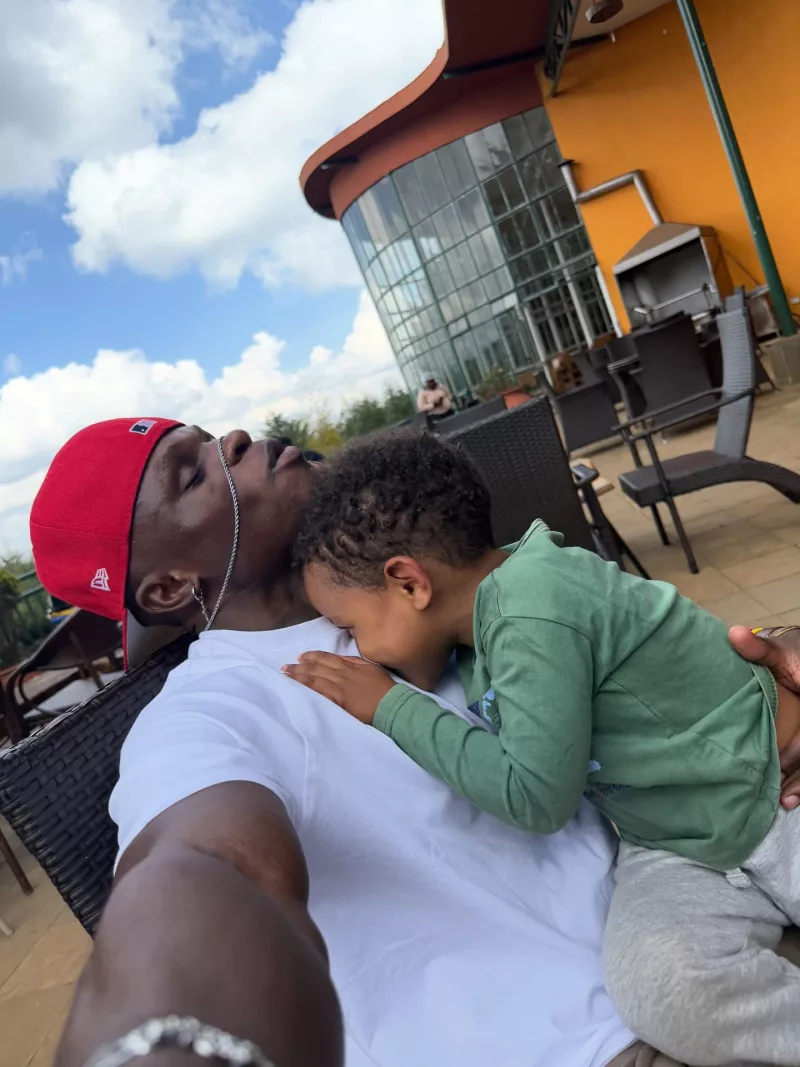
He explained that beyond that, his focus is on creating an environment where his son feels safe to express himself.
“I just want to ensure that the kid grows up in an open home.”
Tileh added that he does not intend to raise his child within any particular religion.
Why he is not raising his son in a religion
The filmmaker disclosed that he does not subscribe to any religious beliefs and prefers to let his son make that decision independently when his son is older.
“I’m not religious. I don’t subscribe my kid to any religious beliefs. If you grow up and decide you want to be Muslim or you want to be a Christian, that’s your choice.”
When Tony Mwirigi sought clarification on what he believes in if not God, Tileh replied that his values are centred on human conduct.
“I believe in the art of being a good human.”
Asked who created him if he does not believe in God, Tileh answered:
“I was born by my parents. That’s all I know. That’s enough for me.”
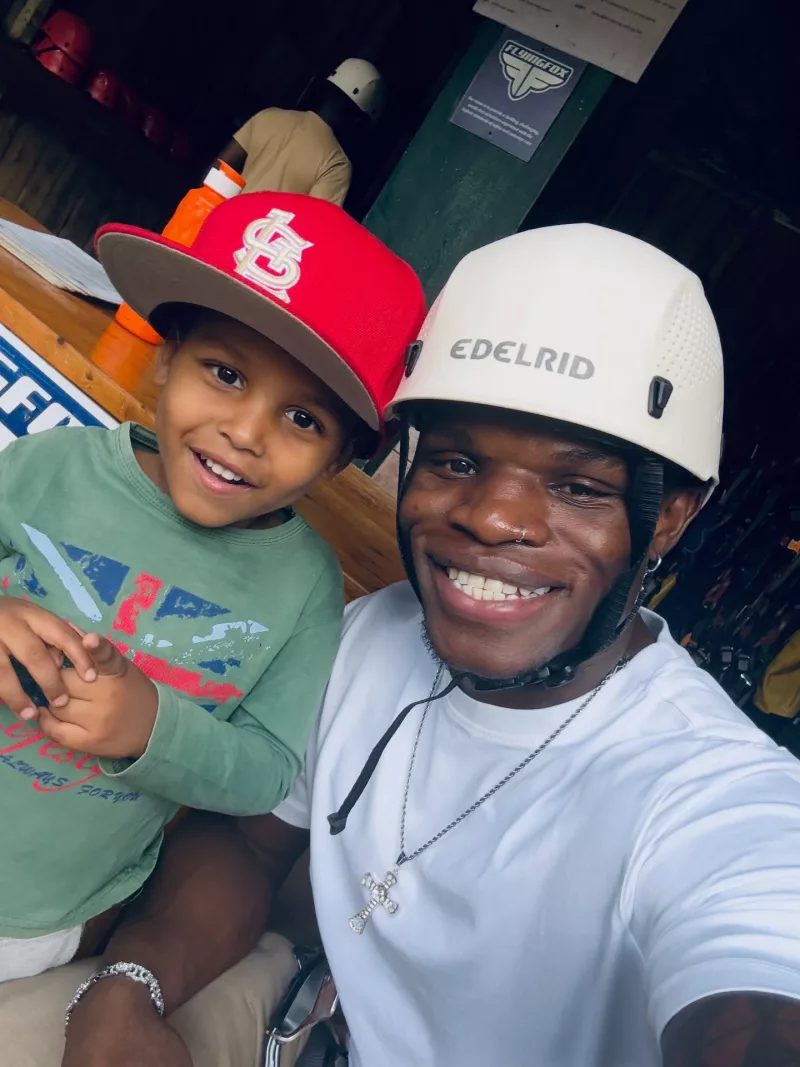
How his childhood shaped his views
Tilehrevealed that although he was brought up in a Christian environment, he was not raised by his biological parents.
Instead, he spent much of his childhood in a children’s home, where he was surrounded by Christian teachings.
According to him, his beliefs changed gradually as he grew older and began questioning what he was taught.
“I was raised fully Christian, but I was not raised by my parents. I was raised in a children’s home.”
He said he constantly asked questions about faith but felt the answers he received did not satisfy his curiosity.
“I grew up with all the critical questions that were never answered. As you grow up, it’s up to you to make a decision. For me, I weighed all the options and realised religion did not make sense to me.”
Tileh said he reached that conclusion at around the age of 15, while he was still living in the children’s home.
He recalled that despite being surrounded by Christians, he continued asking questions until he decided that religion no longer aligned with his personal convictions.